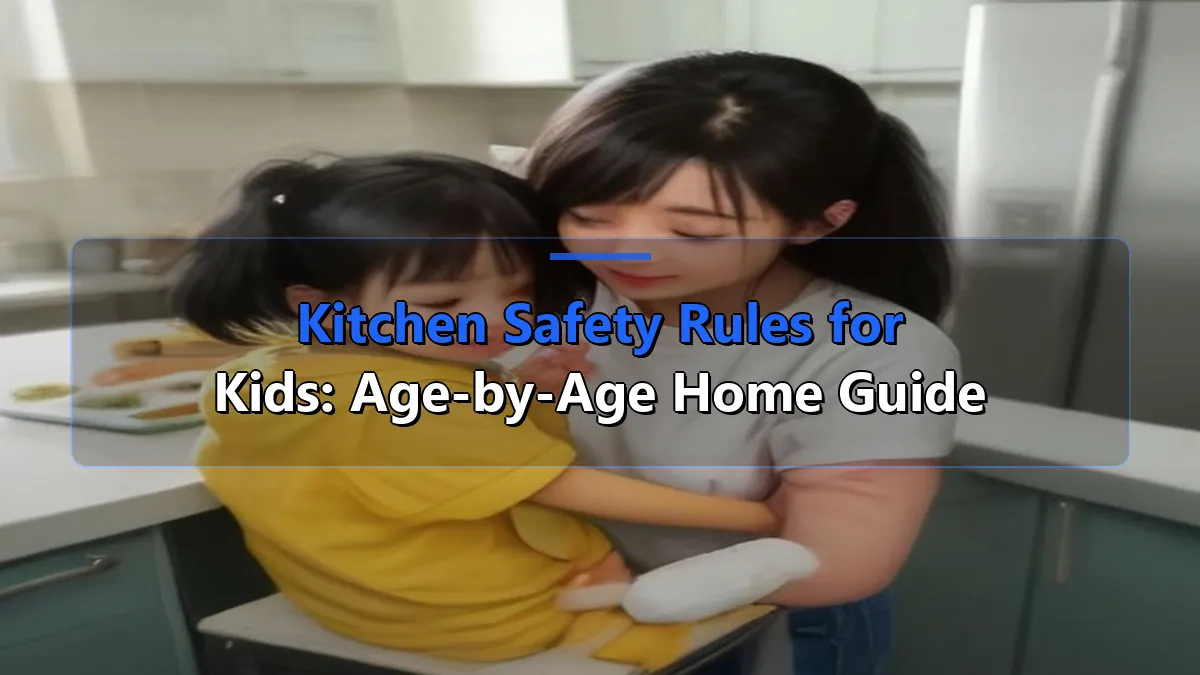
Kitchen Safety Rules for Kids: Age-by-Age Home Guide
Kids get hurt in kitchens for the same boring reason every time: the room is full of heat, blades, liquids, and distractions. A child does not need to touch a burner to get burned, and a quick reach for a snack can turn into a cut, spill, or fall in one second.
The safest kitchens are not the strictest ones. They are the ones set up so children can help without wandering into danger. That means age-based rules, smarter storage, and a layout that works in a real home, not a fantasy version where every adult is standing still and watching every move.
In a busy home kitchen, safety depends on interior design, storage, and routines—not just reminders. That matters even more in compact apartments, open-plan homes, and family kitchens that also double as a small catering service workspace or a crowded weeknight prep zone.
What are the kitchen safety rules for kids?
Kitchen safety rules for kids are simple: keep children away from hot stoves, sharp tools, chemicals, and electrical cords; use age-appropriate tasks only; store dangerous items high or locked; supervise closely; and teach handwashing, dry-pot handling, and “stop, step back, and ask” habits.

That is the short version parents can actually use. The longer version is more useful: safety is a system, not a speech. If the knife drawer is easy to open, the floor is slippery, and the stove zone is crowded, reminders will not save you. The room has to do some of the work.
The 5 kitchen risks that injure kids most often
The biggest kitchen injuries come from burns, cuts, poisoning, falls, and tip-overs. Those five hazards account for most of the trouble because they mix speed, heat, and reach. Fix those first and you remove most of the danger.

Burns and scalds
Water at 140°F/60°C can cause a serious burn in seconds, and hot oil can splatter farther than most parents expect. Microwave bowls, steam from lids, pot handles, oven doors, and even a “cool-looking” glass dish can all burn a child. Induction cooktops reduce open-flame risk, but the surface still stays hot enough to injure.
Best practice: keep children outside a 3-foot hot zone around the stove and oven when space allows. Turn pot handles inward. Use back burners first. And never let a child carry hot soup, tea, or oil across the room. That is a bad trade, every time.
Cuts and punctures
Knives, peelers, graters, broken glass, and can lids are the usual suspects. A child does not need to “play” with a knife to get cut; one awkward grab from the counter edge is enough. For young helpers, use nylon spreaders, blunt butter knives, or kid-safe prep tools with guarded edges.
If you want a practical upgrade path, look for a kid-safe prep set before you hand over a real chef’s knife. Parents searching for adaptive tools often do better with the best kitchen gadgets for the blind with easy grip because the same grip-friendly design helps children with small hands control tools more safely. For tactile alerts and easier handling, the best kitchen gadgets for the blind with vibration can also be a smart fit in a shared household.
Poisoning and chemical exposure
Cleaning products, dishwasher pods, drain openers, sanitizer, and pesticides are high-risk items. The rule is blunt: never store chemicals in food containers, and never leave them under the sink where a child can reach them. Lock them or move them high. No exceptions.
Dish soap pods are especially nasty because they look like candy. If your kitchen has low drawers or open shelving, childproof latches matter more than people think. A child who can reach a pod can reach a knife next.
Falls, pulls, and tip-overs
Wet floors, dangling cords, unstable stools, and pulled pans cause a lot of injuries. Kids also love to climb for snacks, cups, or a better view of the counter. That reach hazard is real. A chair is not a step stool, and a rolling stool is worse.
Use a stable step stool with non-slip feet. Keep cords routed away from edges. Wipe spills immediately. If a child has to stretch, climb, or lean to help, the setup is wrong.
Fire and smoke
Grease fires, toaster fires, and overheated pans move fast. A child should know one rule by heart: stop, back away, and tell an adult. Never throw water on a grease fire. That can spread burning oil across the stove and cabinet fronts.
If you teach only one emergency response, teach that one. It is simple and it works.
| Hazard | Common kitchen source | Best prevention | Child-safe setup target |
|---|---|---|---|
| Burns | Stove, oven, hot liquids, steam | 3-foot hot zone, handles inward | No child access near burners |
| Cuts | Knives, graters, broken glass | Locked storage, kid-safe tools | Sharp tools out of reach |
| Poisoning | Cleaners, pods, pesticides | High or locked cabinet | No chemicals in food containers |
| Falls | Wet floors, stools, cords | Dry floor, stable stool, cord routing | No climbing on chairs |
| Fire | Grease, toaster, overheated pan | Adult-only response, no water on grease | Child steps back immediately |
What kids can safely do by age
Age matters because judgment, reach, and hand control change fast between toddlerhood and early teens. A child who can rinse strawberries safely at 4 may still be nowhere near ready for a hot pan at 8. The task should match the child, not the other way around.

Ages 2–4: observe, stir cold ingredients, wash produce
At this age, the child should stay within arm’s reach of an adult. Safe jobs include washing produce, stirring cold ingredients, tearing lettuce, and handing over soft items like bananas or tortillas. No stove use. No knife use. No carrying hot liquids. None.
Keep the work area low and simple. One bowl. One spoon. One step. That is enough. The goal is exposure and routine, not output.
Ages 5–7: measure, mix, tear lettuce, spread soft foods
Children in this range can measure flour, mix batter, spread peanut butter or cream cheese, and tear greens for salad. Use plastic or blunt tools, and keep the task away from burners and sink edges. A non-slip step stool helps a lot here.
Parents in tight apartments often ask how this works in a crowded kitchen. The answer is layout discipline. In a compact design bangladesh kitchen or any small city apartment, the child needs a clear prep spot, not a free-for-all near the stove. Good ideas beat big square footage.
Ages 8–10: crack eggs, use a butter knife, simple assembly
At this stage, kids can crack eggs, use a butter knife, and assemble simple snacks like sandwiches or yogurt parfaits. Teach one tool at a time. Teach the knife hand to stay away from the body. And never let them rush because an adult is impatient.
This is also the age where kids start helping more during family gatherings or home-based meal prep. If your kitchen sometimes functions like a small catering service station, keep children out of the traffic path. People moving trays, pots, and tableware need a clear lane.
Ages 11+: supervised chopping, oven use, stovetop basics
Older children can learn supervised chopping, oven use, and basic stovetop work if the kitchen is set up for it. That means oven mitts that fit, pan handles turned inward, and no multitasking. One burner. One task. One adult nearby.
Give them a written checklist before solo prep: wash hands, tie hair back, clear the counter, dry the floor, set tools out, and check the burner knobs. Adolescents do better with a checklist than with a lecture. Honestly, most adults do too.
Trade-off box: Independence builds confidence, but only if the kitchen is set up for it. A child who can help safely in a well-organized kitchen may be less safe in a cluttered one, even if the rules are identical.
The kitchen setup changes that matter more than reminders
Rules help, but design prevents injury. If you want fewer accidents, change storage, traffic flow, and access points. That is the part people skip because it takes effort. It also works.

Store by danger level, not by convenience
Knives should go high or locked. Medications and chemicals should be locked. Snacks, cups, and kid-safe utensils should be low and visible. That way the child can reach the right items without hunting through dangerous drawers.
Childproof latches on lower cabinets are still worth it, especially in homes with open shelving or busy prep areas. In a kitchenware tableware setup where dishes, utensils, and home decor share the same storage zone, separate the dangerous from the ordinary. Pretty is fine. Safe comes first.
Make the stove zone a no-go line
Mark a 3-foot hot zone if the room allows it. Keep toys, stools, and snack bins out of that area. Turn pan handles inward and use back burners when possible. If your stove sits in the middle of a narrow galley kitchen, the no-go line may be more of a behavior rule than a tape line, but the idea is the same.
Families in dense city homes, including many in Dhaka, often deal with narrow walkways and overlapping cooking traffic. In that kind of interior design, the kitchen needs tighter discipline because adults, kids, and hot pans all share the same square feet.
Fix the floor, cords, and stool situation
Use anti-slip mats near the sink. Keep the floor dry. Route appliance cords away from edges and burner fronts. Replace chairs with a stable step stool that has a broad base and non-slip feet. A rolling chair is not a substitute. It is a problem in disguise.
If you are shopping locally, whether through dhaka homeware, a neighborhood mart, or a mart samastabyabasa listing, look for sturdy stools, cabinet locks, and drawer organizers before you buy decorative extras. The best home decor choice is the one that prevents a fall.
Small-kitchen reality in apartments
Small kitchens need rules that are stricter, not looser. Open shelves, limited counter space, and shared prep areas mean the child can cross into danger faster. The answer is not more shouting. It is better zoning.
That is where simple bangladesh ideas and compact design choices help: a low snack basket, a locked cleaning cabinet, a fixed stool station, and a clear “kids wait here” spot. Families who share recipes and setup tips on dhaka facebook groups or local threads often arrive at the same conclusion: the room has to be arranged for real life, not showroom life.
Teaching rules kids actually remember
Kids remember short commands better than long explanations. The best kitchen rules sound like action words, not speeches. If the rule is easy to repeat under pressure, it is more likely to stick.
The 4 commands: Stop, Step Back, Ask, Wait
Use these four words for hot pans, sharp tools, spills, and appliance doors. If a child sees steam, a sharp edge, or a hot tray, they stop. They step back. They ask. Then they wait for an adult response. Simple. Memorable. Useful.
Handwashing and contamination rules
Handwashing should last 20 seconds with soap and water. Raw meat tools should never touch ready-to-eat food without washing in between. Use separate cutting boards if possible. If not, wash and sanitize between tasks. Cross-contamination is not a fancy term. It is how stomach bugs spread.
In a mixed-use kitchen where tableware home storage, lunch prep, and dinner cooking all happen in one spot, keep raw meat tools physically separate from bread, fruit, and serving dishes. That small habit prevents a lot of mess and a few miserable nights.
What to do if there’s smoke, fire, or a spill
If there is smoke or fire, the child should stop, turn off heat if it is safe to do so, back away, and tell an adult immediately. For a grease fire, never use water. Covering the pan with a lid or using the correct extinguisher is an adult job. For a spill, step back until the floor is dry.
Kids do not need a full emergency lecture. They need one habit: do not freeze, do not grab, do not run through the danger.
Common mistakes parents make
Most kitchen accidents are not caused by “bad kids.” They happen because adults assume caution will replace setup. It will not.
“My child is careful” is not a safety plan
Careful children still get burned when a pot handle sticks out or a hot mug is left near the edge. Supervision is not the same as prevention. A child can be careful and still be outmatched by a bad kitchen layout.
Teaching tasks before changing the environment
Giving a child knife access before fixing storage is a classic mistake. So is teaching oven use before the child can reach the counter safely. Start with the room, then the routine, then the task.
Using the kitchen as a shortcut play zone
Running, dancing, climbing, and roughhousing do not belong in a kitchen. Neither do toys. The kitchen is a work zone, not a playroom. If a child starts treating it like one, reset the rule immediately.
One-page kitchen safety checklist
This checklist works before cooking, during cooking, and after cooking. If you want one page to print and stick on the fridge, this is it.
Before cooking
- Clear the counter.
- Dry the floor.
- Set out tools before heat starts.
- Confirm an adult is supervising.
- Move knives, chemicals, and matches out of reach.
During cooking
- Turn pan handles inward.
- Keep cords away from edges.
- Keep children outside the hot zone.
- Use the back burners when possible.
- Assign only one child-safe task at a time.
After cooking
- Turn off burners and check knobs.
- Let hot surfaces cool fully.
- Store sharp tools and chemicals immediately.
- Wipe spills before anyone walks through.
- Return stools and chairs to a safe place.
Printable rules for kids and parents
If you are making a kitchen safety rules for kids pdf for your home, keep the child version short and the parent version practical. A long document gets ignored. A one-page sheet gets used.
Kid version: 7 simple rules
- Walk, don’t run.
- Ask before touching hot things.
- Stay away from the stove.
- Use only the tools an adult gives you.
- Wash hands with soap for 20 seconds.
- Tell an adult about spills, smoke, or fire.
- Step back if you are unsure.
Parent version: supervision and storage checklist
- Store knives high or locked.
- Lock chemicals and medicines.
- Use a stable step stool.
- Keep a 3-foot hot zone where possible.
- Separate raw food tools from ready-to-eat tools.
- Teach one new task at a time.
- Review the rules before busy cooking days.
If you need a related guide for safer tools and easier handling, the right equipment matters just as much as the rulebook. For families helping a child or older adult with grip-sensitive tasks, the best kitchen gadgets for the blind with easy grip and the best kitchen gadgets for the blind with vibration are good examples of how thoughtful product design can reduce strain and improve control in a busy kitchen.
And if you are cleaning up after a small accident, rust on tools and utensils should not be ignored. This practical guide on how to remove rust from stainless steel utensils is useful because damaged tools are harder to clean and more likely to snag small hands.
People also ask: kitchen safety rules for kids
Kitchen safety rules for kids?
Kitchen safety rules for kids are to stay away from hot stoves, sharp tools, and chemicals; wash hands for 20 seconds; use only age-appropriate tasks; and ask an adult before touching anything hot, sharp, or electrical. The simplest version is: walk, ask, wait, and keep your hands clean.
Kitchen safety rules for kids pdf?
A kitchen safety rules for kids pdf is usually a printable one-page checklist for parents and children. Make it short: seven kid rules, a parent storage checklist, and the emergency steps for smoke, fire, and spills. Save it on the fridge or near the pantry where adults will actually see it.
What can a 5-year-old do safely in the kitchen?
A 5-year-old can safely wash produce, stir cold ingredients, tear lettuce, and help measure dry ingredients with close adult supervision. Keep the child away from burners, knives, and hot liquids. A stable step stool and a clear counter make the task much safer.
What is the safest way to teach a child about kitchen fire safety?
The safest way is to teach three actions: stop, step back, and tell an adult. Children should never use water on a grease fire. They should know that smoke, flames, and hot oil mean immediate distance, not curiosity.
How can I make a small kitchen safer for kids?
Make a small kitchen safer by locking dangerous items, clearing walkways, using a stable stool, and creating a no-go zone around the stove. In compact homes, layout matters more because everyone shares the same narrow space. Good storage and a simple routine beat constant warnings.
Final takeaway
The best kitchen safety rules for kids are age-based, layout-based, and repeatable under stress. If you change storage, create a hot zone, teach short commands, and match tasks to age, you will prevent most common injuries before they start. That is the real win.