What Testing Kit To Purchase For Salt Water Pool
The best saltwater pool test kit combines salt, chlorine, pH, alkalinity, hardness, and stabilizer testing.
A saltwater pool still needs regular testing. A salt cell makes chlorine, but it does not balance pH, alkalinity, calcium hardness, or cyanuric acid. I know how frustrating it feels when water turns cloudy, the salt system shows a warning, or swimmers complain about itchy eyes. The right kit helps you find the cause before a small issue becomes an expensive repair. In this guide, I compare strip kits, digital meters, basic liquid kits, and full professional kits to help you decide what testing kit to purchase for salt water pool care.
See the differences between my top picks at a glance.
NewTest 8-in-1 Saltwater Pool Strips

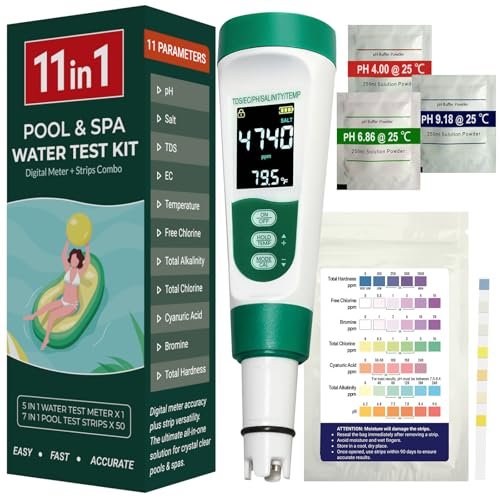
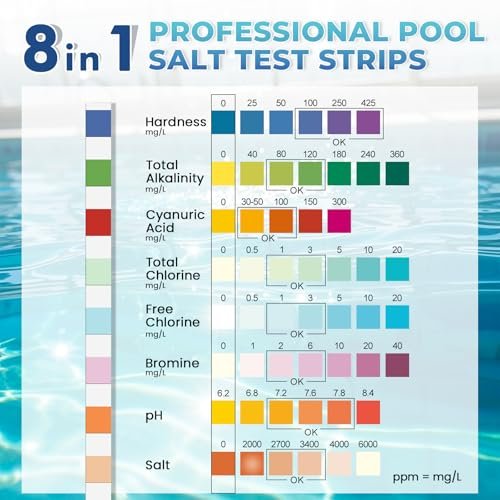
The NewTest kit is a strong all-around choice for routine saltwater pool care. It offers 150 strips and an 8-in-1 format, so one test can check several important water readings. The listed tests include salt and common pool balance measures such as chlorine, pH, alkalinity, hardness, and stabilizer. That broad coverage makes it easier to spot a problem before adding chemicals.
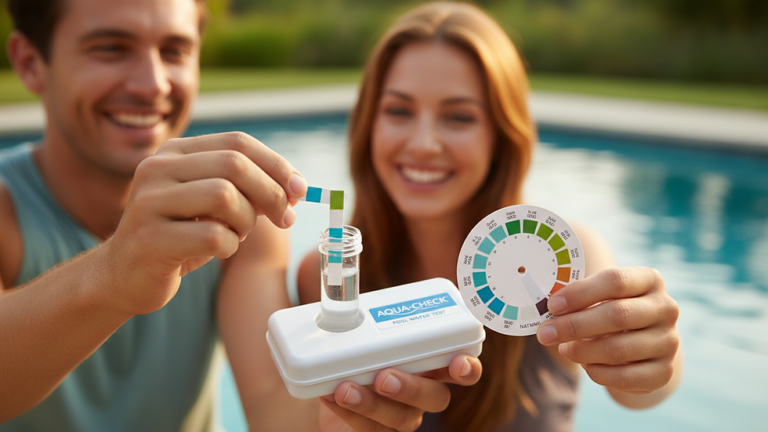
I like this style of kit for weekly checks because it is quick and simple. You dip a strip, wait for the stated time, and compare the colors with the chart. Color matching still needs good light and careful timing. For exact chemical adjustments, I would confirm unusual results with a liquid test or a pool store test.
Pros:
- Tests several saltwater pool readings in one strip
- Large 150-strip supply for regular use
- Fast method for weekly water checks
- Useful for pools, spas, and hot tubs
- Simple format for new pool owners
Cons:
- Color charts can be harder to read than digital displays
- Strips need dry storage to protect the unused tests
- Not as detailed as a full professional liquid kit
What Amazon Buyers Are Saying
Buyer feedback for broad pool strip kits often centers on easy use, quick results, and the value of having many strips in one package. Some users may find color comparison less precise, especially when two shades look close. Results can also change if a strip gets wet inside the container, so careful storage matters.
My Recommendation
I recommend NewTest for owners who want a convenient daily or weekly saltwater pool test kit. It gives wider coverage than a salt-only strip and offers good practical value. I would keep a more exact kit nearby for startup, cloudy water, or difficult readings.
AquaChek Salt Test Strip Titrators

AquaChek takes a more focused approach than an 8-in-1 strip. This package is made to check sodium chloride in saltwater pools. It includes 10 strips, which can help you confirm whether the salt level sits near the range required by your chlorine generator. This focus is useful when the salt system shows a low-salt or high-salt alert.
The main benefit is speed. I can check salt without setting up a larger testing process. However, this kit does not replace a full water balance kit. You still need separate tools for free chlorine, pH, alkalinity, cyanuric acid, and hardness.
Pros:
- Focused test for sodium chloride
- Fast way to check a salt-cell concern
- Easy to carry in a pool maintenance box
- Useful for checking salt after water replacement
- Simple choice for users who already own a full kit
Cons:
- Only 10 strips are included
- Does not test the full pool chemistry picture
- May not match every generator’s preferred testing range
What Amazon Buyers Are Saying
Feedback on salt-only strips commonly highlights convenience and the value of a quick salt reading. Buyers who expect one product to test all pool chemistry may find the narrow purpose limiting. As with all strips, users should follow the dip time and compare the result under steady light.
My Recommendation
AquaChek is worth buying when salt level is your main concern or when you already own another kit. It is not my first choice for a new saltwater pool owner who needs complete care. I rate it highly as a backup salt check.
Salt-Water 8-in-1 Pool Test Strips

This 125-count kit targets saltwater pool and spa owners who want a broad set of readings at a practical price. The 8-in-1 design covers salt, chlorine, pH, and other common balance checks. That makes it more useful than a salt-only product for routine maintenance.
I see this kit as a convenient supply for households that test often. It can help reveal a rising pH, low sanitizer, or a stabilizer issue before the water looks bad. The strips do not remove the need to follow your salt generator manual, since each system has its own target range.
Pros:
- 125 tests support frequent pool checks
- 8-in-1 design covers several key readings
- Works for pool, spa, and hot tub routines
- Easy for beginners to use
- Good fit for owners who want one compact kit
Cons:
- Color matching may take practice
- Some readings may show broad ranges rather than exact numbers
- Incorrect storage can reduce strip quality
What Amazon Buyers Are Saying
Common buyer themes for this type of kit include simple testing, a useful number of strips, and broad coverage. Some pool owners prefer the low effort of strips, while others want more exact readings from liquid drops or a meter. The most useful results come from testing at the same time of day and following the package directions closely.
My Recommendation
This is a sensible value option for regular maintenance. I would choose it for a family pool that needs frequent checks without the work of a liquid kit. I rate it slightly below the NewTest option because the supply is smaller.
SuperCheck Salt Test Strips

SuperCheck is built around salt measurement, with a stated range of 0 to 8,000 parts per million. That range is useful for many saltwater chlorine generator systems. It gives pool owners a simple way to check sodium chloride without relying only on the display on the generator.
This kit makes the most sense as a salt monitoring tool. It does not appear to be a complete water balance solution, so I would pair it with a separate pH and chlorine test. Its value comes from helping you track salt after heavy rain, partial draining, or fresh water additions.
Pros:
- Wide stated salt range from 0 to 8,000 ppm
- Designed for pool and spa salt checks
- Simple strip-based testing process
- Helpful for checking a salt generator system
- Compact enough for regular maintenance storage
Cons:
- Does not provide a complete chemical profile
- Requires careful color comparison
- Users must verify the ideal salt level for their own system
What Amazon Buyers Are Saying
Salt strip buyers often value a fast check when a generator gives a salt warning. A few users may prefer a digital meter when they need repeat readings without interpreting colors. Results can vary if the sample is not mixed well or if the strip is read outside the instructed time.
My Recommendation
I recommend SuperCheck for owners who want a dedicated salt monitor. It is a useful add-on, but not the best single answer to what testing kit to purchase for salt water pool care. Buy it with a separate kit for pH, chlorine, and alkalinity.
Hofun Digital Salt and pH Meter
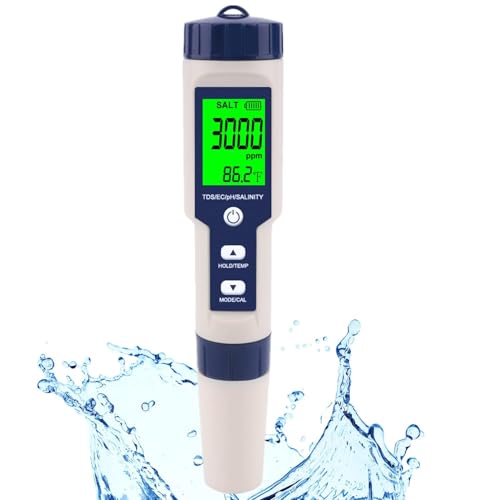
The Hofun meter offers a digital way to check several water properties. Its listed functions include salinity, pH, temperature, electrical conductivity, and total dissolved solids. A digital display can feel easier to read than a color strip, especially when two shades on a chart look nearly identical.
This type of meter needs more care than disposable strips. I would calibrate it as directed, rinse the probe after use, and store it in the proper condition. TDS and conductivity are useful clues, but they do not replace every pool chemistry test. You still need a method for chlorine, alkalinity, hardness, and cyanuric acid.
Pros:
- Digital display reduces color-chart guesswork
- Measures salinity and pH in one device
- Also provides temperature, EC, and TDS readings
- Reusable design can reduce strip waste
- Useful for pool, spa, and aquarium applications
Cons:
- Needs calibration and routine cleaning
- Does not measure every key pool chemical
- Battery and probe care add maintenance work
What Amazon Buyers Are Saying
Digital meter buyers often like the clear display and the ability to take repeat readings. The main concerns with this product category involve calibration, probe care, and readings that seem different from a strip or liquid test. Users should treat the meter as a tool that needs setup, not as a zero-maintenance device.
My Recommendation
Hofun is a good choice for a careful owner who wants reusable digital readings. It works best beside, not instead of, a complete pool chemistry kit. I would not choose it as the only tool for a new saltwater pool.
EASYTEST 7-Way Pool Test Strips
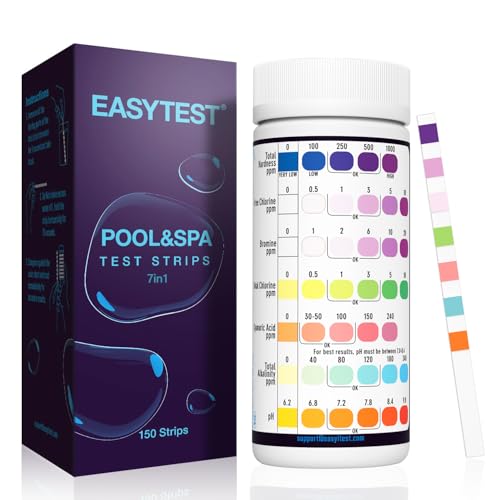
EASYTEST offers 150 strips for checking seven common water readings. The listed tests include bromine, total alkalinity, pH, free chlorine, total hardness, cyanuric acid, and total chlorine. It does not focus on salt, so saltwater pool owners should use a separate salt test with it.
I see this kit as a useful water balance companion. It can show whether the salt cell is producing enough free chlorine and whether pH or alkalinity is drifting. The strip format keeps routine checks quick, but the lack of a salt reading limits its use as a complete saltwater solution.
Pros:
- 150 strips support frequent testing
- Checks free chlorine and total chlorine
- Includes pH, alkalinity, hardness, and cyanuric acid
- Useful for pools, hot tubs, and spas
- Simple option for monitoring overall water balance
Cons:
- Does not test sodium chloride
- Requires a separate salt kit for saltwater systems
- Color blocks may be difficult to compare in poor light
What Amazon Buyers Are Saying
Buyers of 7-way strips commonly appreciate the wide set of balance tests and the large strip count. Some users may expect the word “pool” to mean the kit includes salt testing, so checking the test list before purchase is important. Feedback for strips also often points to the need for dry storage and careful timing.
My Recommendation
EASYTEST is worth buying as a companion kit. It is not my answer to what testing kit to purchase for salt water pool salt measurement, but it covers many readings that a salt-only kit misses. Pair it with a dedicated salt strip or a full saltwater liquid kit.
ORAPXI Digital Salt and pH Meter

The ORAPXI meter is another reusable option for saltwater pool owners who prefer numbers on a screen. It is listed as a 5-in-1 device for pH, salt, TDS, EC, and temperature. Those readings can help users track changes after adding salt or topping off the pool with fresh water.
The meter offers convenience, but it needs a sensible testing routine. I would compare a new meter with a trusted reference test before relying on it for major chemical changes. Like the Hofun, it does not test free chlorine, alkalinity, hardness, or cyanuric acid directly.
Pros:
- Combines salt and pH testing
- Displays temperature, TDS, and EC
- Reusable for repeated checks
- Fast readout for users who dislike color strips
- Useful for monitoring changes over time
Cons:
- Needs calibration for dependable readings
- Does not replace a full pool chemistry test
- Probe cleaning and storage require attention
What Amazon Buyers Are Saying
Digital testers in this class often receive praise for convenience and clear numbers. Common concerns include calibration steps and differences between digital readings and other test methods. Buyers should read the instructions and avoid assuming that TDS alone shows whether pool water is safe or balanced.
My Recommendation
ORAPXI is a reasonable choice for repeat salt and pH checks. I prefer it for experienced pool owners who understand its limits. New owners should add a strip or liquid kit that checks chlorine and the other core balance readings.
WWD POOL 2-Way Chlorine and pH Kit
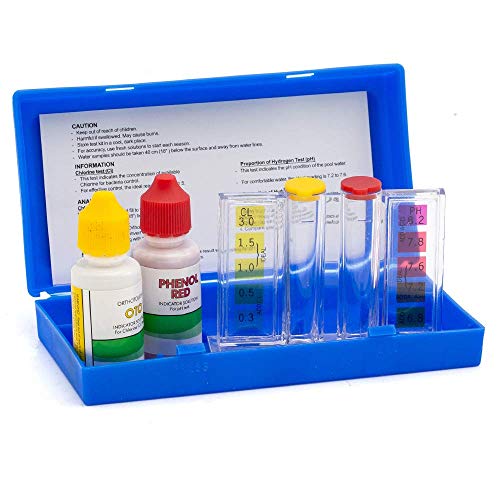
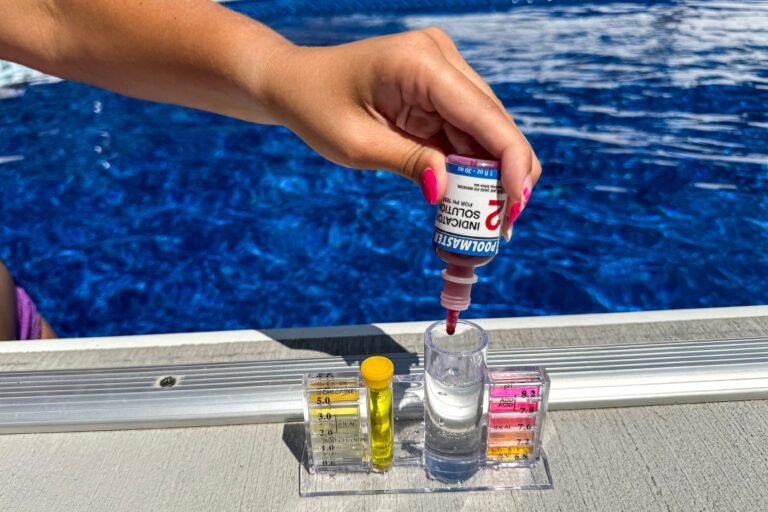
The WWD POOL kit uses a basic two-way liquid test method for chlorine and pH. These are two of the most important readings for a safe and comfortable swimming pool. The compact design may suit an owner who wants a simple test after adding chemicals or before swimming.
This kit has a clear limit for saltwater pools: it does not test salt, alkalinity, calcium hardness, or cyanuric acid. It can still serve as a basic chlorine and pH check. I would not use it as the only kit for a salt system, because balanced water needs more than two readings.
Pros:
- Tests two key readings with liquid reagents
- Simple format for beginners
- Useful for quick chlorine and pH checks
- Compact pool maintenance tool
- Can complement a salt-focused kit
Cons:
- Does not measure salt level
- Does not test alkalinity, hardness, or stabilizer
- Limited compared with a full saltwater kit
What Amazon Buyers Are Saying
Basic two-way kits often appeal to buyers who want a low-cost and simple test. The most common limitation is not complexity but coverage. Pool owners who need salt readings or full water balance must add another product.
My Recommendation
WWD POOL is suitable as a small backup kit, not as the main saltwater pool testing solution. It can help with quick chlorine and pH checks, but I would choose a broader kit for regular care. Its focused design earns a fair score for simplicity.
Taylor K-2006-SALT FAS-DPD Test Kit

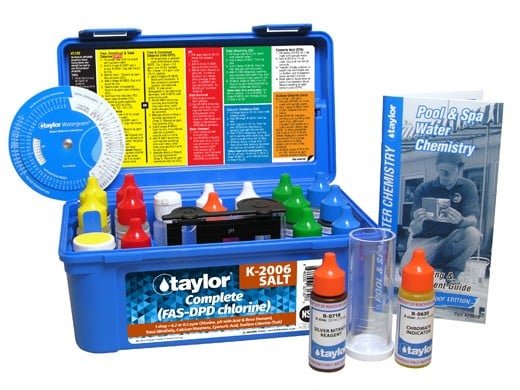
The Taylor K-2006-SALT is the most complete and serious option in this comparison. Its 9-in-1 format tests free and combined chlorine, sodium chloride, pH, acid and base demand, alkalinity, hardness, and cyanuric acid. It uses FAS-DPD testing for chlorine, which gives a more detailed titration process than a simple color strip.
This kit takes longer to use, but it provides the detail I want when water chemistry is difficult. It can help diagnose low chlorine, high pH, poor stabilizer levels, or an incorrect salt level. The tradeoff is cost, learning time, and the need to handle liquid reagents with care.
Pros:
- Broad 9-in-1 saltwater pool coverage
- Tests free and combined chlorine
- Includes salt, pH, alkalinity, hardness, and cyanuric acid
- FAS-DPD method supports detailed chlorine testing
- Strong choice for serious pool maintenance
Cons:
- More steps than a strip kit
- Liquid reagents need careful storage and handling
- Higher cost than basic test strips
What Amazon Buyers Are Saying
Buyers who choose professional liquid kits often value the detailed readings and the confidence that comes from titration testing. The main complaints in this product category usually involve the learning curve, number of bottles, and time needed for each test. Some owners may find the process excessive for a quick weekly check.
My Recommendation
Taylor K-2006-SALT is my top pick for accuracy-focused saltwater pool owners. It is worth buying if you want one kit that covers the main chemistry needs of a salt system. I would use strips for quick checks and this kit when results seem unusual or after major water changes.
AKSBTEC 8-in-1 Saltwater Pool Strips

AKSBTEC offers 150 strips in an 8-in-1 format for saltwater pools, hot tubs, and spas. The listed coverage includes salt, chlorine, pH, and cyanuric acid, along with other common water readings. This makes it a practical choice for owners who want frequent checks without measuring liquid drops.
The main appeal is convenience. I can test after heavy rain, after adding salt, or before a busy swim weekend. As with other strip kits, I would not treat a close color match as a final answer during a serious water problem. Confirm unusual results with a more exact test.
Pros:
- 150-count supply for routine testing
- 8-in-1 format includes salt and key balance readings
- Quick option for pools, spas, and hot tubs
- Beginner-friendly testing process
- Useful for frequent seasonal checks
Cons:
- Color readings may not satisfy precision-focused users
- Needs a separate confirmation method for uncertain results
- Must stay sealed and dry between uses
What Amazon Buyers Are Saying
Buyers of high-count strip kits often like the convenience and the number of tests included. The usual concern is the same one found with most color strips: shades can be hard to separate. Users also need to check the label and test chart, since not every 8-in-1 kit tests the same eight items.
My Recommendation
AKSBTEC is a useful value choice for routine saltwater pool checks. It suits owners who want a broad strip kit and plan to test often. I would compare its price with NewTest and choose the one with the better current value and freshest stock.
How to Choose What Testing Kit to Purchase for Salt Water Pool
Choosing what testing kit to purchase for salt water pool care depends on your testing habits, salt system, and need for detail. A saltwater pool still needs chlorine and balance checks. The Centers for Disease Control and Prevention advises regular pool water testing, and generator makers publish their own salt targets. Use both sources, plus the instructions for the product you buy.
1. Match the Kit to Your Salt System
First, check the salt range listed in your chlorine generator manual. Many residential systems use a salt level in the several-thousand-parts-per-million range, but the correct target varies. A salt strip or digital salinity meter should cover that target. Never add salt based only on a guess or on one strange reading.
If you have a new pool, a full kit is safer. The Taylor K-2006-SALT covers salt, chlorine, pH, alkalinity, hardness, and cyanuric acid. If you already own a complete kit, a product such as AquaChek or SuperCheck can work as a quick salt-only check.
2. Decide Between Strips, Liquid Drops, and Digital Meters
Test strips win on speed. They work well for weekly checks and quick checks after rain. They also cost less per test in many large-count packs. Yet color charts require good light, dry storage, and exact timing.
Liquid kits take more work but give more control. A titration test counts drops until a color changes. This method helps when you need to adjust chlorine or diagnose a stubborn water issue. Digital meters show numbers, but they need calibration, clean probes, and proper storage. A meter that reads salt and pH does not automatically measure chlorine or stabilizer.
3. Look at Coverage, Freshness, and Total Value
Do not judge a pool test kit by the number of tests alone. Read the list of actual readings. For saltwater care, I want salt, free chlorine, pH, alkalinity, calcium hardness, and cyanuric acid. Combined chlorine can also help reveal a sanitation problem.
Check the expiration date or reagent freshness when possible. Store strips in a sealed, dry container. Keep liquid reagents away from heat and direct sun. A cheap kit that gives unclear results can cost more after you add the wrong chemicals. For most owners, a broad strip kit plus a more exact backup gives the best balance.
Final Verdict: Which Should You Buy?
For the most complete answer to what testing kit to purchase for salt water pool care, I recommend the Taylor K-2006-SALT. NewTest is my top easy-use strip pick, while AquaChek is best for salt-only checks.
Test salt, chlorine, pH, and balance on a set schedule. The right saltwater pool test kit protects water quality, equipment, and your swimming comfort.
FAQs Of what testing kit to purchase for salt water pool
What is the best test kit for a saltwater pool?
The Taylor K-2006-SALT is the strongest full-featured choice. NewTest is easier for quick routine checks.
Do saltwater pools need a salt test kit?
Yes. A salt chlorine generator needs the correct sodium chloride level to produce chlorine and work as designed.
Can regular pool test strips test saltwater pools?
Some can, but many only test chlorine, pH, and balance. Check that the package clearly lists salt or sodium chloride testing.
Are digital salt meters better than test strips?
Digital meters give number-based readings, but they need calibration and probe care. Strips are faster and simpler for routine checks.
How often should I test a saltwater pool?
Test key readings at least weekly during the season, and test again after heavy rain, water replacement, or major chemical changes.