Why Wooden Cooking Utensils Still Earn a Spot in the Drawer
Wooden cooking utensils earn their keep for one simple reason: they’re gentle on cookware without feeling flimsy in the hand. If you’ve ever heard metal scrape a nonstick pan and winced, you already know the problem. Wood solves that problem well, and it does a few other things better than most people expect.
The trade-off is real, though. Wood needs handwashing, drying, and occasional inspection for cracks or rough spots. So the real question isn’t whether wood looks nice on a counter. It’s whether the performance-and-care balance fits how you actually cook.
That’s the practical answer behind the definition meaning of why people choose wood in an english dictionary sense: the reason express is function, not nostalgia. People express a preference for less scratching, less clanging, and a handle that stays comfortable during long cooking sessions. That’s the real reason.
Why use wooden cooking utensils?
Wooden cooking utensils are used because they protect nonstick cookware, stay cooler than metal, and feel comfortable in the hand. They’re quieter, less reactive with acidic foods, and useful for everyday stirring, sautéing, and serving. The trade-off is simple: you must handwash, dry, and inspect them regularly to prevent cracking, staining, or odor retention.

Why wooden utensils still win in real kitchens
Wood wins most often because it solves a very specific kitchen problem: it does useful work without being aggressive. In plain terms, a wooden spoon or spatula is less likely to damage the surface of a pan, and that matters more than people admit.

They protect nonstick coatings and enamel
Wood is softer than stainless steel and far less abrasive, so it’s a smart match for nonstick, ceramic-coated, and enameled cookware. A metal edge can scratch a nonstick pan in one bad swipe; wood usually won’t. That matters on expensive pans and Dutch ovens, where surface damage shortens usable life fast.
If you cook eggs, risotto, tomato sauce, or anything you stir often, wood lowers the risk of accidental scraping. It’s not magic. It’s just gentler.
They stay cooler and are easier to grip
Wood has low thermal conductivity compared with metal, so the handle warms slowly and stays comfortable longer. That’s useful during 15 to 30 minutes of stirring soup, jam, caramel, or a thick sauce. A wooden spoon also tends to feel more natural in the hand than a thin metal utensil, especially during repetitive cooking.
That small comfort difference adds up. Don’t ignore it.
They’re quieter and less reactive
Wood makes less noise than metal, which sounds trivial until you’re cooking early in the morning or in a small apartment kitchen. It also avoids the metallic taste some cooks notice in acidic dishes like tomato sauce, vinegar reductions, and fruit compotes.
A dictionary definition won’t tell you the reasons something works better in a pan, but kitchen performance does. Wood is one of those tools that feels calmer to use.
The safety question people actually mean
The real safety issue is not “wood versus not wood.” It’s whether the utensil is clean, fully dried, and still in good condition. A smooth, well-kept wooden spoon is generally safe for normal home cooking.

Is it safe to use wooden cooking utensils?
Yes, wooden utensils are safe when they’re washed properly, dried completely, and replaced when they crack, splinter, or hold odors. The risk comes from damage and moisture retention, not from wood itself.
In other words, the material is only part of the story. The condition of the utensil matters more than the label on the package.
What makes wood hygienic or risky
Wood is porous, so it can hold moisture if you leave it wet in a sink or toss it into a damp drawer. That’s where odor, staining, and bacteria concerns start. A utensil that dries fully after washing is a different object than one that sits wet for hours.
Handwashing with mild soap and immediate drying is the practical standard. Dishwasher heat and long soak times can warp wood, open up grain lines, and shorten the utensil’s life. Most people who complain online about “bad wooden spoons” usually describe care problems, not material failure.
When wood is the wrong choice
Wood is not the best tool for heavy scraping, aggressive deglazing, or tasks where you need maximum rigidity. If you’re scraping a browned pan fond hard, a metal spatula or whisk may work better. For raw meat handling, a worn wooden utensil is a poor choice because rough surfaces are harder to sanitize thoroughly.
For high-abrasion work, silicone or stainless steel is often the better answer. No drama. Just the right tool.
Wood vs silicone vs metal: the trade-off table readers need
If you want the short version, wood is the middle ground: gentler than metal, more rigid than many silicone tools, and more maintenance-heavy than either. That trade-off is why it remains popular.

Quick comparison by task
| Material | Best for | Risk to cookware | Heat resistance | Cleaning effort | Durability | Cost range |
|---|---|---|---|---|---|---|
| Wood | Stirring sauces, sautéing eggs, serving, everyday stovetop cooking | Low on nonstick and enamel | Moderate to high, depending on wood and exposure time | Handwash only | Moderate; can last 2 to 10 years with care | $5 to $25 |
| Silicone | Scraping bowls, mixing, nonstick-safe stirring | Very low | High, often 400°F to 600°F depending on quality | Easy; often dishwasher-safe | Moderate to high | $8 to $30 |
| Stainless steel | Whisking, heavy-duty mixing, durable prep work | High on nonstick surfaces | Very high | Very easy | Very high | $5 to $25 |
Best utensil by cooking scenario
A wooden spoon is the better choice for soups, stews, and sauces where you want steady stirring without scratching the pot. A wooden spatula works well for eggs and delicate sautéing. Silicone is better for scraping bowls clean, and a metal whisk is still the best tool for emulsions, batters, and quick aeration.
If you want a compact set for tight drawers or small kitchens, the best mini cooking utensils roundup is a smart next stop because smaller tools often solve the same cookware-protection problem in a tighter footprint.
What to look for before buying wooden utensils
Not all wooden utensils are built the same. A cheap set can feel rough, split early, or absorb odors faster than it should. A good set feels smooth, balanced, and boring in the best possible way.
Grain, finish, and wood type matter
Solid hardwood utensils typically hold up better than soft, poorly finished pieces. Beech, maple, and olive wood are common choices because they’re dense and durable. A smooth finish matters because it reduces splintering and keeps food from catching in the grain.
Look for a comfortable handle thickness and no sharp edges. If the spoon feels like it was sanded in a hurry, skip it.
Bamboo is not the same as hardwood
Bamboo is technically a grass, not a hardwood, and that difference shows up in use. Good bamboo utensils can be light, hard, and affordable, but lower-quality ones may feel brittle or split along glued layers. Some cheap sets also use heavy resin or glue in ways that make the finish smell odd out of the box.
That smell is not a good sign. Trust your nose.
Signs of a good set
- Smooth surface with no rough fibers or splinters
- Comfortable handle thickness for long stirring sessions
- Seamless construction with no obvious glue lines
- No strong chemical odor
- Clear care instructions from the manufacturer
If you’re comparing materials for a full kitchen refresh, the guide to different type of kitchen utensils helps map which tools belong in the drawer and which ones are just clutter.
Care rules that decide whether wood lasts 2 years or 10
Wooden utensils usually fail from neglect, not normal use. Keep them dry, clean, and smooth, and they can last a surprisingly long time.
Cleaning and drying
Handwash with mild dish soap, rinse well, and dry immediately with a towel. Then let the utensil air-dry upright so moisture doesn’t sit in the grain. If the manufacturer recommends food-safe mineral oil, apply it sparingly every few weeks or when the wood starts looking dry.
Do not soak wooden utensils for long periods. Ten minutes in water is already too much for many pieces; overnight is a mistake that often leads to warping.
Replacement signals
Replace a wooden utensil if you see cracks, deep discoloration, splintering, warping, or odor retention that doesn’t wash out. If the surface feels rough enough to catch a towel or your fingertips, it’s past its best days.
Most owners on cooking forums describe the same pattern: the utensil looks fine from across the kitchen, then fails the touch test up close. That’s the moment to toss it.
When wood makes more sense than other materials
Wood makes the most sense in everyday home cooking where you want a gentle, quiet, and comfortable tool. It shines in the hands of people who cook sauces, eggs, grains, and stovetop meals often.
Best for
- Home cooks using nonstick cookware
- People who want quieter tools
- Cooks who stir sauces, soups, risotto, and eggs often
- Anyone who likes a warmer, more natural hand feel
Not best for
- People who want dishwasher convenience
- Heavy sanitization needs
- High-force scraping and rigid mixing
- Kitchen setups where tools get left wet in the sink
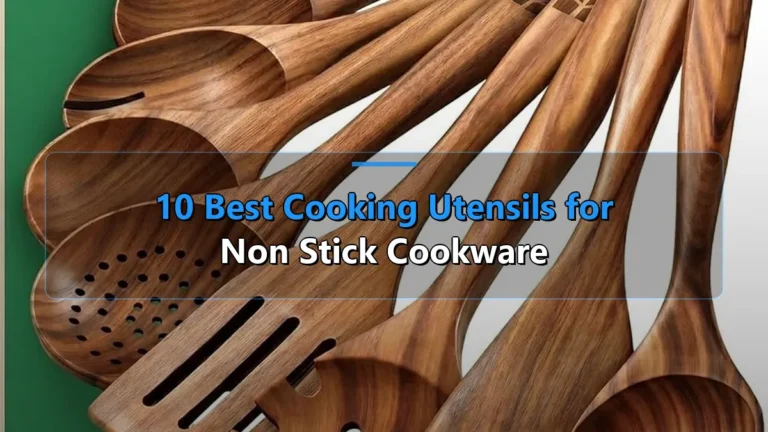
If you’re shopping for nonstick-safe gear specifically, the best cooking utensils for non stick cookware guide is the right companion piece because it narrows the field to tools that won’t beat up your pans.
Practical buying and care checklist
Here’s the fast version if you want a decision without overthinking it:
- Choose wood if you cook on nonstick, enamel, or ceramic-coated pans.
- Choose silicone if you want easy cleanup and flexible scraping.
- Choose stainless steel if you need maximum rigidity and don’t mind cookware scratches on the right surfaces.
- Inspect wooden utensils for smooth grain, no cracks, and a solid feel.
- Handwash, dry immediately, and store them away from damp drawers.
That’s the whole playbook. Simple on paper, and usually simple in practice too.
Bottom line: who should use wooden utensils?
Wooden utensils are a strong choice for most home cooks who want cookware protection, quieter stirring, and a comfortable grip. They’re especially useful for nonstick pans, sauces, soups, eggs, and everyday stovetop cooking.
Skip wood if you want the easiest possible cleanup, if your kitchen routine involves heavy sanitizing, or if you need a tool that can scrape hard and stay perfectly rigid. That’s where silicone or stainless steel does the better job.
The cause intention is straightforward: match the tool to the cookware and the task. That’s the real lesson, and it’s the one that makes the difference.
People also ask
Why use wooden cooking utensils?
People use wooden cooking utensils because they are gentler on cookware, especially nonstick pans, and they stay cooler in the hand than metal. Wood also reduces clanging noise and doesn’t react with acidic foods the way some metals can. The trade-off is that wood needs handwashing and careful drying.
Is it safe to use wooden cooking utensils?
Yes, wooden cooking utensils are safe if they are cleaned properly, dried fully, and replaced when they crack, splinter, or hold odors. The safety issue comes from moisture and wear, not from wood itself. A smooth, well-kept utensil is generally fine for normal home cooking.
Is it good to use wooden cooking utensils?
Yes, wooden cooking utensils are good for many everyday tasks, especially stirring sauces, sautéing eggs, and cooking with nonstick or enamel cookware. They are not the best choice for dishwasher convenience or heavy scraping, but for most stovetop cooking they’re a practical, low-risk tool.
Do wooden utensils harbor bacteria?
They can if they stay wet, get deeply cracked, or are left dirty for long periods. Proper washing and complete drying keep the risk low. In practice, a well-maintained wooden spoon is usually safe, while a damaged one is not worth keeping.
Should wooden utensils be oiled?
Sometimes, yes. If the manufacturer recommends it, food-safe mineral oil can help keep the wood from drying out and cracking. Use a thin coat only, and never oil a utensil that’s already dirty or damp. Let it dry first.