WMF Kitchen Gadgets Review: Worth the Premium?
WMF sits in that tricky spot a lot of kitchen brands aim for but few really earn: premium-looking, mostly stainless, and priced high enough that you stop and ask if the finish is actually better or if you’re just paying for the logo. That’s the right question.
For this WMF kitchen gadgets review, I looked at the brand the way practical home cooks do: steel quality, grip comfort, cleanup, dishwasher wear, and whether these tools still feel good after months of real use instead of five minutes out of the box. Some WMF gadgets justify the premium. Some don’t.
Disclosure: This article includes affiliate links. If you buy through them, we may earn a commission at no extra cost to you.
Is WMF Worth Buying? Quick Brand Verdict
WMF kitchen gadgets are generally worth buying if you want durable stainless-steel tools with premium fit and finish, especially for peelers, presses, graters, and tongs. They cost more than budget rivals, but better materials, cleaner construction, and longer service life often justify the higher price for frequent cooks.
🏢 WMF Brand Scorecard & Executive Summary
- Overall Brand Rating: 4.1 / 5 ★
- Price & Value Tier: Premium
- Core Product Lines: Peelers, presses, graters, tongs, serving tools, specialty stainless gadgets
- Best Known For: Cromargan stainless steel construction and polished fit-and-finish
- Ideal Buyer: Frequent cooks who want durable metal tools; less ideal for strict budget shoppers or anyone needing soft-grip ergonomics
The short version: WMF is strongest in all-metal everyday tools where rigidity, corrosion resistance, and clean construction matter more than cushy handles. Think tongs, presses, servers, and a few peelers. That’s where the premium shows up.
Where WMF gets shakier is in categories where geometry and comfort beat prestige. A specialist grater can outperform a prettier one. A cheaper peeler can feel better in smaller hands. And if you cook only occasionally, the value case gets much weaker.
| Brand | Build Quality | Ergonomics | Cleaning | Long-Term Value | Best Fit |
|---|---|---|---|---|---|
| WMF | Excellent stainless construction | Good, but not class-leading | Usually easy, hinges need attention | Strong for frequent use | Durability-focused buyers |
| OXO | Very good mixed materials | Excellent soft-grip comfort | Usually easy | Very good | Everyday home cooks |
| Zwilling | Very good to excellent | Good | Good | Good premium value | Buyers wanting premium German-style kitchen tools |
| Joseph Joseph | Varies by gadget | Often clever and user-friendly | Mixed | More design-led than heavy-duty | Space-saving and novelty-minded buyers |
About WMF: Brand History & Real Buyer Reputation
WMF is a long-established German housewares brand best known for polished stainless cookware, tabletop products, and kitchen tools built around its Cromargan stainless steel identity. In plain English, that means WMF sells the idea of durable, corrosion-resistant, premium-finish metal tools rather than cheap plastic gadgets you replace every year.
The material story matters here. WMF – stainless composition – commonly marketed as Cromargan 18/10 stainless steel. That 18/10 formula usually means 18% chromium and 10% nickel, which helps with rust resistance, staining control, and a smoother surface finish than lower-grade steel. You notice it fast on acidic foods like lemon, tomato, and onion. Less odor hang-up. Less discoloration. Better polish retention.
Buyer sentiment is a little more mixed than the brand image suggests. Shoppers who love WMF tend to praise heft, finish quality, and the “this feels like a real tool” factor. The complaints are also predictable: some gadgets feel heavy, some polished handles get slippery with wet or oily hands, and certain niche tools don’t outperform cheaper rivals enough to justify the markup.
That’s the honest split. WMF rarely feels flimsy. But premium steel alone doesn’t automatically mean premium user experience.
WMF Product Lineup & Category Breakdown
WMF’s kitchen gadget lineup is broad, but the brand makes the most sense if you sort it into a few practical buckets: prep tools, pressing/cutting tools, serving tools, and specialty stainless pieces. The build quality is usually most convincing in the first and third groups.
| Product Line / Sub-Category | What It Includes | Build & Quality Verdict | Best For |
|---|---|---|---|
| Prep Tools | Peelers, graters, zesters, slicers | Usually sharp, cleanly finished, but not always category-leading | Home cooks upgrading from cheap basics |
| Pressing & Cutting Tools | Garlic presses, can openers, shears | Where better steel and hinge quality matter most | Frequent cooks handling tougher tasks weekly |
| Serving Tools | Tongs, ladles, servers, salad tools | Often excellent; these age well | Buyers who want long-lasting metal tools |
| Specialty Stainless Pieces | Mocha jugs, bar and coffee-adjacent accessories, niche gadgets | Beautiful finish, but value depends heavily on use case | Gift buyers and design-conscious kitchens |
One thing to learn before you buy: WMF is not a “buy anything with the logo” brand. Your plan should be selective. Explore the high-stress tools first, because that’s where better steel and tighter assembly actually pay you back over time.
How WMF Performs: In-Depth Quality Assessment
WMF performs best where stainless rigidity, corrosion resistance, and polished construction matter more than soft-touch comfort. The brand’s core strengths are real. So are its blind spots.
1. Build Quality & Material Safety
WMF’s strongest attribute is material quality, with many tools built around Cromargan 18/10 stainless steel and cleaner metal finishing than bargain brands. WMF gadgets – steel grade – typically premium stainless. WMF tools – odor retention – low compared with plastic-heavy gadgets. WMF finish – corrosion resistance – high under normal kitchen use.
That matters in daily cooking. Garlic, citrus, tomato paste, vinegar, and dishwasher detergent are tough on cheap metal and weak coatings. WMF usually holds up better, and I’d trust the brand more than no-name marketplace tools for food-contact surfaces and long-term staining resistance.
What I still check product by product: one-piece vs multi-part construction, exposed seams, hinge wobble, and whether the cutting edges are replaceable or permanently fixed. Premium steel can’t save bad geometry.
2. Ergonomics & Everyday Usability
WMF ergonomics are good, not best-in-class, because polished metal handles often trade grip comfort for a cleaner premium look. That’s the part many buyers don’t realize until after a few weeks.
WMF handle design – cushioning – limited on many all-metal tools. WMF tool weight – average feel – heavier than many plastic-and-rubber rivals. Wet-hand grip – slip risk – moderate on polished handles.
OXO often wins this round. Flat out. If you have arthritis, smaller hands, or you cook long prep sessions with lots of repetitive motion, soft-grip rivals can feel much better even if they look less elegant.
Still, not every WMF tool is awkward. Tongs, serving tools, and some presses can feel excellent because the extra heft adds control instead of fatigue.
3. Durability & Long-Term Longevity
WMF durability is usually above average because stainless bodies resist cracking, warping, and odor absorption better than plastic-heavy designs. This is where the brand earns its reputation.
Owner feedback over months tends to center on a few recurring patterns: polished steel can show water spots that look worse than they are, hinge areas on presses and openers collect residue, and ultra-sharp grating surfaces stay nicer longer if you hand-wash them instead of blasting them in a rough dishwasher cycle.
Dishwasher-safe steel – cosmetic spotting – common but harmless. Hinged tools – first wear point – pivot looseness or residue buildup. Sharp prep tools – edge retention – better with gentler washing.
4. Value for Money & Customer Support
WMF value is strongest for weekly-use metal tools and weakest for niche gadgets or basic tools priced far above category averages. Don’t assume the badge makes every item worth it.
A good buying plan is simple: pay up for tools you use constantly, buy on sale for basic prep items, and skip specialist gadgets unless WMF is clearly matching or beating category leaders. Use a price-tracking app if you shop Amazon often, because WMF can swing from fair to overpriced fast.
If you’re outfitting a first apartment or dorm kitchen, premium WMF isn’t always the smartest starting point. A leaner setup like these essential kitchen tools for college students usually gives better value before you move into premium stainless upgrades.
Top WMF Products Worth Buying (Best-Selling Hero Picks)
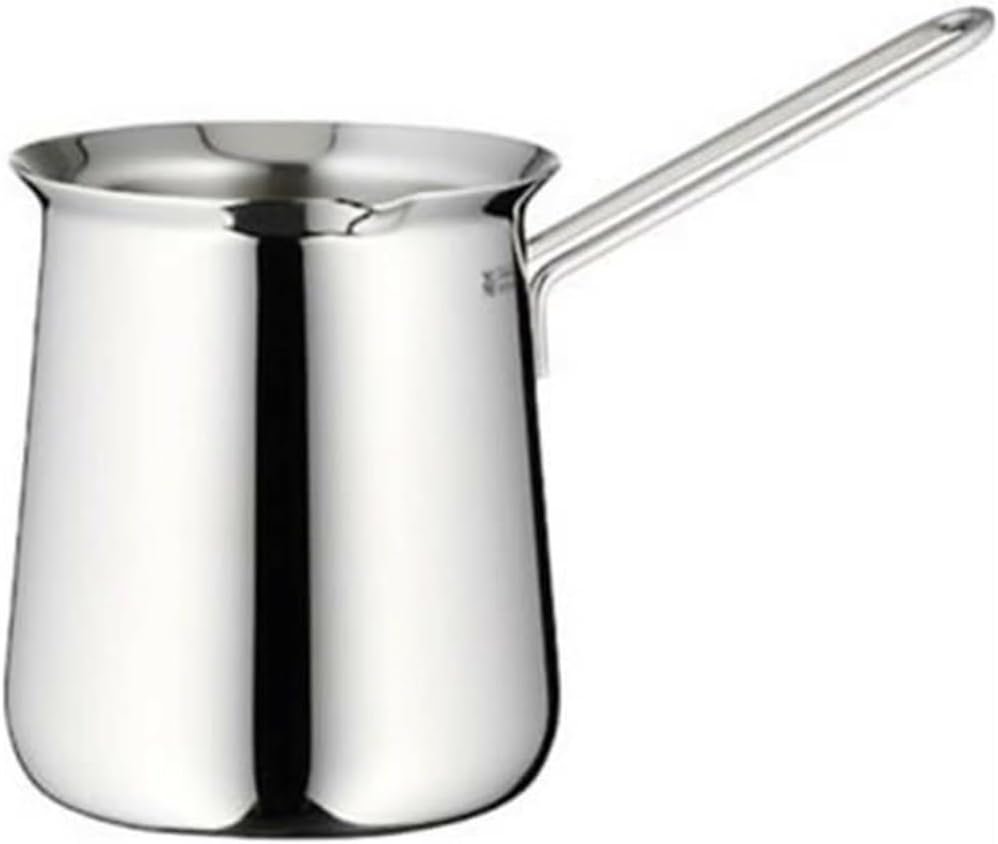
Right now, the verified Amazon hero product provided for this review is a specialty stainless piece rather than a full gadget spread. That limits direct lineup testing, but it still tells us something useful about WMF’s design language: polished steel, premium presentation, and a stronger appeal to buyers who care about finish and material feel.
| Product | Best For | Standout Feature | Rating | Check Price |
|---|---|---|---|---|
| Coffee service, tabletop use, gift buyers | Polished Cromargan stainless body | 3.2 out of 5 stars | Check Price on Amazon → |
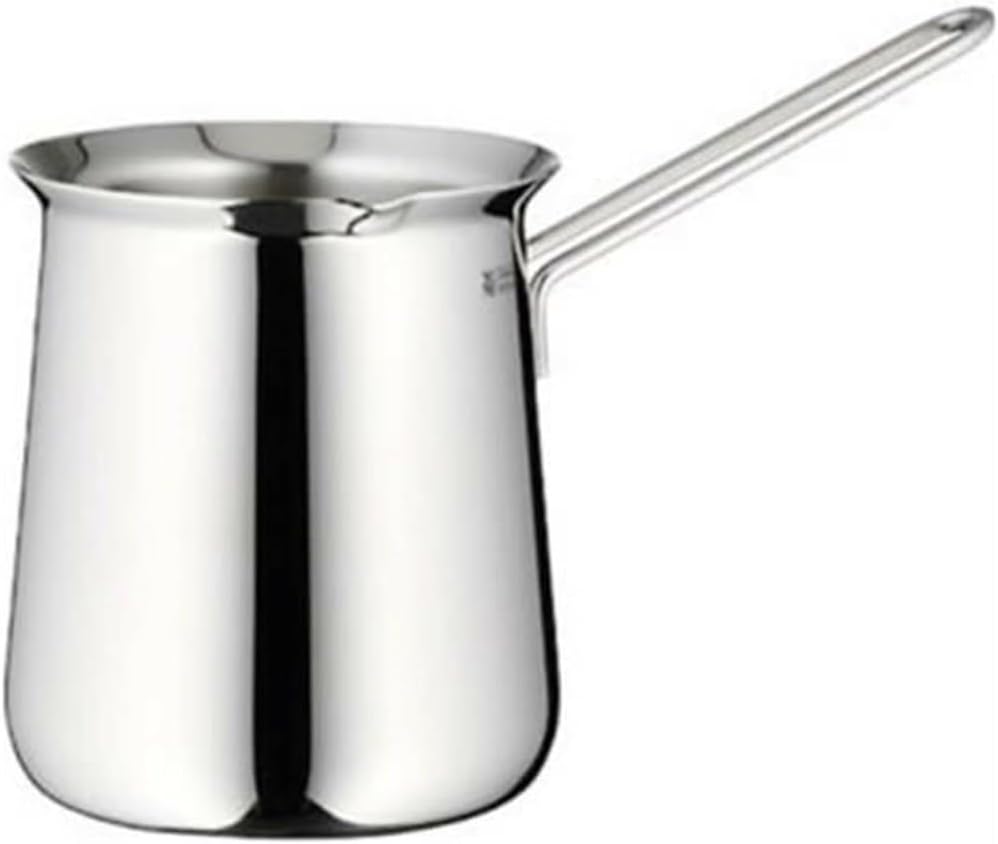
1. WMF Mocha Jug Gourmet Cromargan Stainless Steel, 340 ml — Best for WMF’s Signature Finish
This piece stands out more for WMF’s material identity than for broad utility, and that matters if you’re trying to judge the brand honestly. The polished stainless body looks clean, upscale, and giftable. Mocha Jug – capacity – 340 ml. Body material – stainless steel – Cromargan branded finish.
In practical kitchen terms, this is the kind of product that shows why some people buy WMF in the first place. The metal finish looks better than cheap stainless. The shape is compact. It has that dense, polished, European tabletop feel. But the rating also tells you something important: aesthetics don’t guarantee universal satisfaction.
With a product like this, buyer complaints usually come down to expectation mismatch. People expecting flawless premium performance at any price can be tougher on WMF than on budget brands. And with specialty items, even small issues around pouring, scale, or handling get magnified because the item is less forgiving than a basic spoon or tong.
| Pros | Cons |
|---|---|
|
|
If you want a polished stainless specialty piece and you already like WMF’s design language, it’s worth a look. If you’re trying to discover the brand at its most practical, I’d start with core prep or serving tools before this.
Which WMF Products to Skip (Honest Flaws & Buyer Complaints)
Skip WMF if your top priority is soft-grip comfort, lightweight handling, or bargain pricing. That’s the blunt answer.
The most common real-world friction points are easy to predict once you’ve handled enough premium stainless tools. All-metal construction can feel slick with oil or wet hands. Heavier gadgets can tire smaller hands faster. And some polished designs look better than they feel during repetitive prep work.
Here’s who should probably pass:
- Occasional cooks: If you use a peeler twice a month, the premium won’t pay back quickly.
- Small-hand or weak-grip users: OXO-style ergonomics are often easier to live with.
- Shoppers buying niche gadgets at full retail: This is where WMF can slide into logo-tax territory.
- Buyers expecting every WMF item to beat specialist brands: A Microplane-style grater or a dedicated garlic-press leader may still outperform WMF in a specific task.
One more honest point: replacement parts and broad accessory support are not usually WMF’s selling point in the way they can be for some mass-market kitchen brands. If you like modular, easy-to-replace pieces, that’s not really the WMF strength.
If you’re comparison shopping across premium and novelty-heavy brands, it’s also worth reading a contrasting take like this piranha kitchen gadgets review, because it highlights how different “gadget” value can look when design gimmicks matter more than steel quality.
How WMF Compares to Competing Brands
WMF competes best against other premium kitchen-tool brands on materials and finish, but it doesn’t win every category. Ergonomics-focused shoppers often do better elsewhere.
| Brand | Price Tier | Build & Materials | Standout Strength | Who Should Buy |
|---|---|---|---|---|
| WMF | Premium | Cromargan stainless, polished finish, sturdy construction | Durability and premium metal feel | Frequent cooks who prefer long-lasting stainless tools |
| OXO | Mid-range | Mixed stainless and rubberized grips | Comfort and ease of use | Most home cooks, especially grip-sensitive users |
| Zwilling | Premium | Strong steel construction, often cleaner utility-first design | Balanced premium quality | Buyers wanting premium without as much style-first shine |
| Joseph Joseph | Mid-range | Mixed materials, design-forward features | Storage-friendly innovation | Small kitchens and buyers who like clever features |
If I had to make the call category by category, I’d say this: WMF beats cheaper brands on feel and finish, often beats them on long-term durability, but loses some easy points on grip comfort and sometimes on pure task performance against category specialists. That’s the trade-off. Clear and simple.
Final Verdict: Should You Buy WMF?
Yes, but selectively. WMF is a strong buy for cooks who care about stainless build quality, polished finish, and long-term durability in everyday metal tools. It’s less convincing in categories where comfort, light weight, or specialist blade geometry matter more than premium steel. If you use your tools weekly and like the feel of substantial metal construction, WMF often makes sense. If you want the absolute best value or the easiest ergonomics, shop more carefully.
Shop All WMF Products & Deals on Amazon →
Is WMF a good brand for kitchen gadgets?
Yes. WMF is a good brand if you value premium stainless construction, corrosion resistance, and a polished finish. It’s especially attractive for buyers who want durable metal tools rather than cheap plastic gadgets, though it’s not always the best ergonomic value.
What is WMF Cromargan stainless steel?
Cromargan is WMF’s branded stainless steel, commonly associated with 18/10 composition. Cromargan – chromium content – 18%. Cromargan – nickel content – 10%. That mix helps with rust resistance, stain control, and long-term appearance.
Are WMF kitchen gadgets dishwasher safe?
Many are, but you should still check each product page. Even dishwasher-safe WMF tools can show water spots or collect residue in hinges and seams, especially presses, graters, and other multi-part gadgets.
Is WMF better than OXO?
WMF is usually better for premium stainless build and upscale finish. OXO is usually better for grip comfort, lighter handling, and broad everyday value. The right pick depends on whether you prioritize durability or ergonomics.
Which WMF kitchen gadgets are most worth buying?
The best WMF buys are typically high-stress everyday tools like tongs, serving tools, presses, and selected peelers. Those categories benefit most from stronger steel, cleaner construction, and better long-term wear resistance.
Who should skip WMF?
Skip WMF if you have small hands, weak grip strength, or a tight budget. You should also skip premium-priced niche WMF gadgets unless you know you’ll use them often enough to justify the added cost.