
Kitchen Essentials for a First Apartment: Buy Once, Regret Less
Most first-apartment kitchen lists tell you what exists. This one tells you what actually survives week 3, when you’re tired, short on storage, and cooking in a kitchen that feels smaller than the photos. The goal is not to build a showroom. It’s to build a kitchen that works on a Tuesday night.
If you’ve been comparing glossy interior design inspiration, scrolling dhaka homeware pages, or bookmarking kitchenware tableware sets that look great in home decor photos, reset the mission: buy the pieces that help you cook, clean, and store food without clutter. That means choosing for space, cooking style, and budget—not vibes.
This guide breaks down kitchen essentials for first apartment living into a buy-once system: what to get immediately, what to delay, and what to skip because it duplicates function. That’s the difference between a useful kitchen and a cabinet full of regret.
Start with the 12 items that cover 80% of meals
Featured snippet answer: Kitchen essentials for a first apartment are the basics you need to cook, store, and clean efficiently: 1–2 pots, 1 skillet, knife, cutting board, mixing bowls, measuring tools, plates, bowls, glasses, utensils, dish soap, sponge, trash bags, and food storage containers.
The minimum viable kitchen starter set
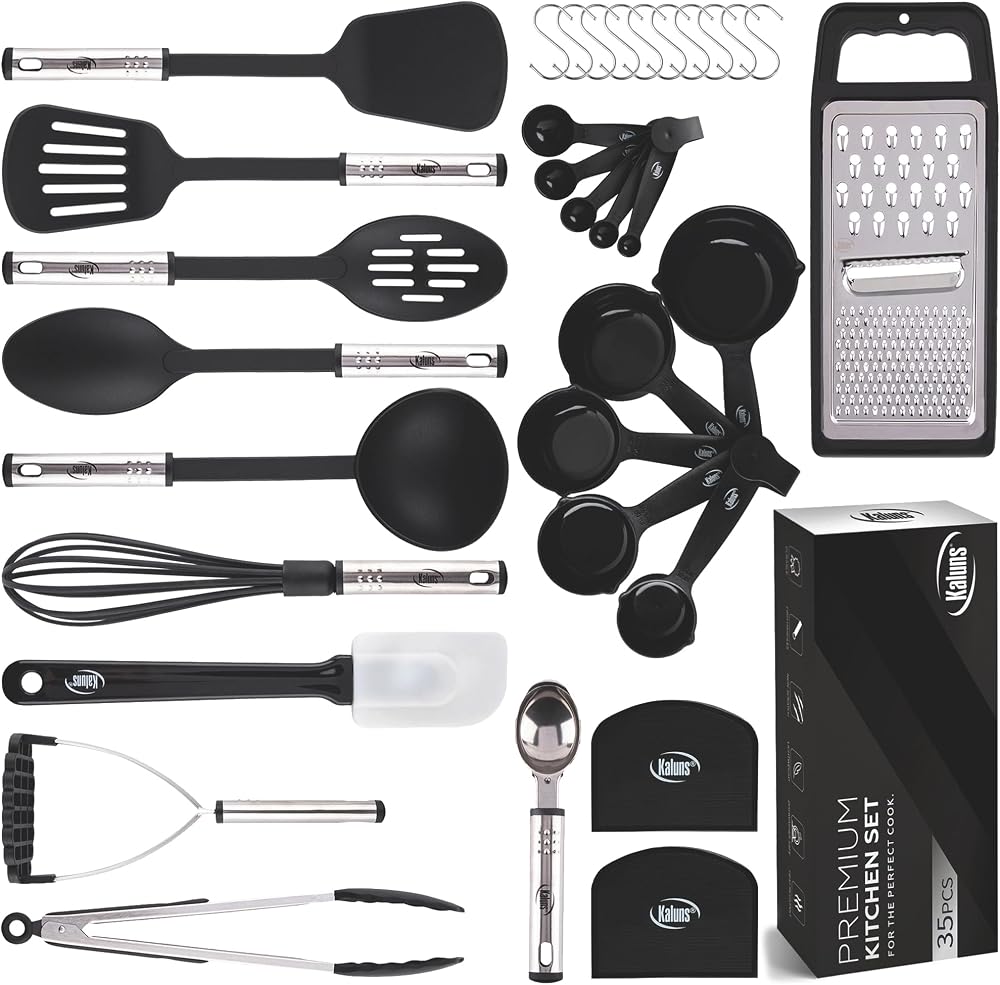
The lean starter set is simple: 1 chef’s knife, 1 paring knife, 1 cutting board, 1 skillet, 1 medium saucepan, 1 sheet pan, 1 mixing bowl, 1 colander, 1 spatula, 1 wooden spoon, 1 can opener, and 1 measuring cup set. That list covers eggs, pasta, rice, stir-fries, roasted vegetables, and sheet-pan dinners without forcing you into a giant matchy-matchy set.
In practical terms, a 10- to 12-inch skillet handles most weekday cooking, while a 2- to 3-quart saucepan is the sweet spot for oatmeal, rice, soup, and reheating. A single large cutting board beats a tiny one every time. Tiny boards are annoying. They slide, they spill, and they make prep feel harder than it is.
If you want a deeper buying guide for the core pans and knives, see our best kitchen gadgets for men roundup, which works well as a practical companion to this starter list when you’re choosing the tools you’ll actually use.
What to buy in stainless steel, nonstick, or cast iron
Material choice matters more than people admit. Nonstick is easiest for eggs and cleanup, stainless steel lasts longer and tolerates higher heat, and cast iron holds heat like a champ but weighs more and needs care. That trade-off changes everything.
| Item | Best material | Typical size | Why it works |
|---|---|---|---|
| Skillet | Nonstick or stainless steel | 10–12 inches | Eggs, sautéing, pan sauces, quick dinners |
| Saucepan | Stainless steel | 2–3 quarts | Rice, pasta, soup, reheating |
| Sheet pan | Aluminum or steel | Half-sheet | Roasting vegetables, chicken, frozen meals |
| Cutting board | Wood or plastic | Large | Safer prep, less mess, easier chopping |
My honest take: buy one good skillet and one decent saucepan before you buy any gadget that promises to “save time.” Most of those sit in a drawer after two weeks. If you cook often, our best kitchen gadgets for wife guide can help you sort the useful upgrades from the pretty clutter.
The apartment-size reality check: storage, sink space, and cabinet math
A first apartment kitchen is usually a storage puzzle with a stove attached. Measure cabinet shelf height, drawer depth, fridge width, under-sink clearance, and the amount of counter space you can spare for drying dishes. If it doesn’t stack, nest, or hang, it becomes a future clutter problem.
Measure before you buy
Use a tape measure before shopping. Shelf height around 10 to 12 inches works for most plates and bowls, but some cabinets are shorter. Under-sink space is often blocked by pipes, so tall bins and oversized cleaning caddies can fail fast. Drawer depth matters too; a 14-inch drawer can swallow utensils, but not a long knife block or bulky tools.
One simple rule saves a lot of pain: if an item can’t earn its keep in more than one way, don’t buy it yet. A nesting bowl set is fine if you bake and meal prep. If you mainly reheat leftovers, one sturdy mixing bowl is enough. For layout help, see our essential kitchen tools for college students guide, which overlaps heavily with tiny-apartment storage logic.
Small kitchen, fewer duplicates
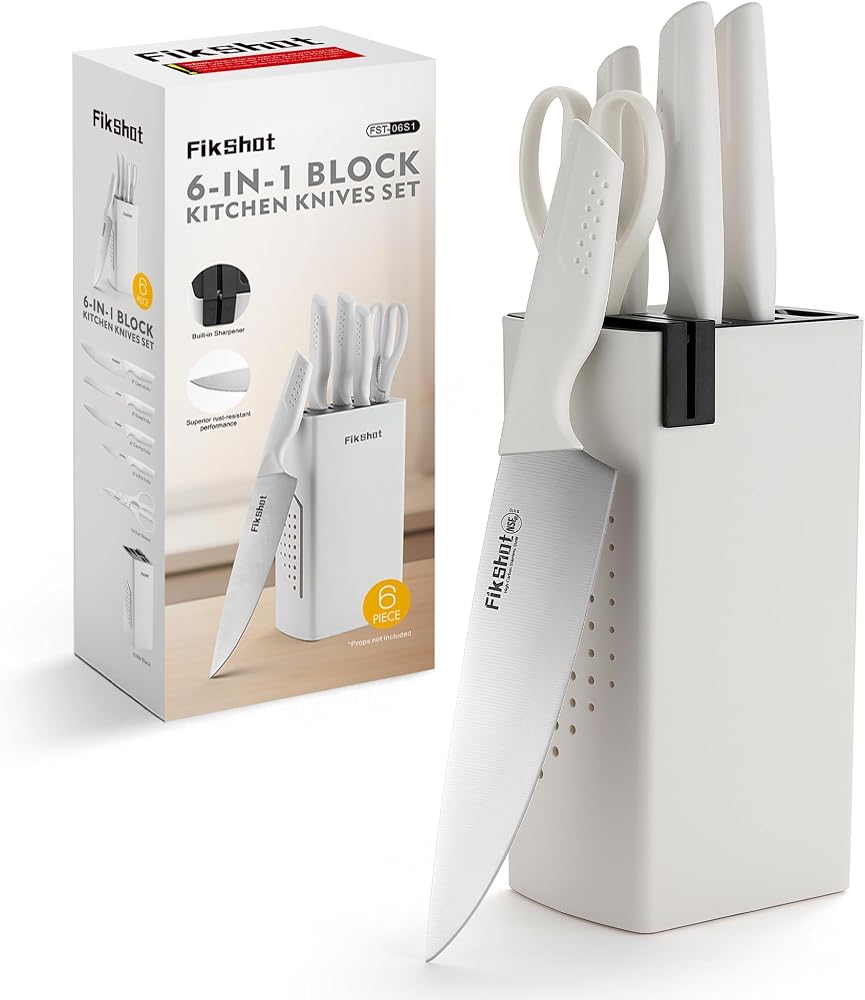
One multipurpose knife beats a full block in a cramped kitchen. One large bowl beats a 10-piece nesting set if your cabinets are already tight. A single solid cutting board is usually better than three flimsy ones. That sounds boring because it is boring, and boring is good here.
Skip the bread maker, stand mixer, extra serving platters, and novelty appliances until you know your cooking habits. People on Reddit and in apartment forums repeat the same regret: they bought “just in case” items, then spent months moving them around the kitchen instead of using them.
Cook style decides the list, not aesthetic inspiration
Your cooking habits should drive the shopping list. A person who reheats takeout has different needs than someone who cooks five nights a week. That sounds obvious, but a lot of people shop like they’re outfitting a fantasy kitchen, not the one they’ll actually use.

If you mostly reheat, assemble, or make 10-minute meals
Start with microwave-safe bowls, lunch containers, a toaster, a kettle, one pan, and one pot. Add a can opener, a spoon set, a fork set, and a small cutting board. That’s enough for eggs, ramen, frozen meals, sandwiches, and simple pasta.
For this cooking style, a rice cooker is optional, not mandatory. Same with a blender. If you don’t already make smoothies or soups weekly, don’t let social media talk you into extra appliances.
If you actually cook 3–5 nights a week
Then you need a little more precision: a thermometer, tongs, a microplane, a sheet pan, a sauce whisk, and maybe a rice cooker if rice is a staple. A thermometer is not glamorous, but it prevents overcooked chicken and undercooked pork. That alone makes it worth the drawer space.
For frequent cooks, the right cookware matters more than a pile of accessories. If you want a focused buying path, read our best kitchen gadgets for men guide alongside this one; it’s a useful way to prioritize function over impulse buying.
If you host or meal prep
Meal preppers need extra containers, a larger cutting board, a salad spinner, labels, and stackable glass containers. Hosts need serving bowls, a decent platter or two, and enough flatware for guests. If you host once a month, don’t build a commercial kitchen around that fantasy. A lot of people overbuy because they imagine they’ll suddenly become a weekend caterer.
That’s where the local retail language people use—dhaka homeware, kitchenware tableware, tableware home, mart samastabyabasa, mart mart—shows up in search behavior. The pattern is the same whether you shop in Dhaka or Denver: buyers get pulled toward big sets and decorative pieces before they’ve nailed the basics.
The hidden costs people forget until week two
The stuff that makes a kitchen livable is often not the stuff that gets photographed. Cleaning tools, storage containers, and paper goods are part of the kitchen setup. Ignore them, and even a well-stocked cabinet feels broken by day ten.

Cleaning tools are part of the kitchen, not an afterthought
Get dish soap, a sponge, a scrub brush, a drying rack, trash bags, paper towels, and gloves. A drying rack often matters more than a second frying pan because dishes have to live somewhere between washing and putting away. Without it, your counter becomes a swamp.
Most first-apartment kitchens also need a sink strainer and a simple caddy for soap and brushes. These are small purchases, but they have a big effect on how annoying cleanup feels. If you want a fuller breakdown, our essential kitchen tools for college students guide includes the cleanup basics that get ignored until the sink is full.
Food storage is where waste gets expensive
Food storage containers, freezer bags, foil, plastic wrap, and labels prevent wasted groceries. Airtight containers keep leftovers from turning into science projects. Glass is durable and doesn’t stain, but it’s heavier. Plastic is lighter and cheaper, but it can warp or hold odors.
Use a simple system: 4 to 6 medium containers, 2 to 4 small containers, and 2 large containers are enough for most people starting out. If you meal prep, double that. If you rarely cook, keep it lean and avoid buying a cabinet full of empty boxes.
Budget tiers that make sense
You do not need to spend a fortune to build a usable kitchen. You do need a plan. The right budget tier depends on how often you cook and whether you’re buying from scratch or replacing old items you already own.
Under $100: survival kit
This tier is about function, not polish. Buy a skillet, saucepan, knife, cutting board, spatula, wooden spoon, measuring cup set, dish soap, sponge, and a few food storage containers. That gets you through basic cooking without draining your wallet.
If you need a tighter shopping plan, compare this with our best kitchen gadgets for wife recommendation set for smart giftable upgrades that still solve real problems.
$100–$250: balanced starter kitchen
This is the sweet spot for most first apartments. You can upgrade the knife, buy a better skillet, add a kettle or toaster, and choose sturdier storage containers. A better cutting board and a decent sheet pan belong here too.
At this level, spend more on the items you touch every day. Save on measuring cups, utensils, and storage bins. Nobody brags about their measuring spoon set, but a dull knife will annoy you every single night.
$250+: buy fewer, better pieces
If your budget is higher, lean into durability: quality cookware, a good chef’s knife, induction-compatible pans if needed, and glass storage that stacks cleanly. This is the “buy once, regret less” lane. It’s not about owning more. It’s about owning fewer things that last longer.
| Budget tier | What to prioritize | What to delay |
|---|---|---|
| Under $100 | Knife, skillet, saucepan, cutting board, cleaning basics | Specialty gadgets, matching sets, extra bakeware |
| $100–$250 | Better cookware, storage containers, toaster or kettle, drying rack | Stand mixer, bread maker, decorative serving pieces |
| $250+ | Durable pans, quality knife, stackable glass storage, precise tools | Duplicate gadgets and niche appliances you won’t use weekly |
What Reddit-style advice gets right
Forum advice is blunt for a reason: people learn the hard way. The strongest pattern is simple—buyers regret duplicates, gadgets, and decorative sets far more than they regret not owning a fancy appliance.
The “I bought too much” problem
The classic mistake is purchasing a fully matched set because it looks complete. Then the drawers fill up with duplicate spatulas, tiny whisks, extra mugs, and pans that don’t fit the burner layout. Commercial kitchens and catering service setups can justify that kind of volume. A normal apartment cannot.
That’s where some people get distracted by local marketplace browsing—salam dhaka, dhaka facebook, design bangladesh, bangladesh ideas, interior, ideas—then end up buying for appearance instead of use. The lesson is universal: a kitchen is a workspace first.
The “I forgot the boring stuff” problem
The boring stuff is usually the stuff you miss first: peeler, can opener, dish rack, thermometer, bottle opener, oven mitts, and trash bags. Those items are not exciting, but they keep the kitchen functional. A dish rack and oven mitts can save more frustration than a second pan.
Here’s the compact checklist version people ask for again and again:
- Can opener
- Vegetable peeler
- Dish rack
- Oven mitts or pot holders
- Meat or instant-read thermometer
- Bottle opener
- Trash bags
- Sponges and scrub brush
First apartment kitchen checklist you can copy today
This is the practical shopping list version. Start with essentials, then add optional upgrades only if they match your cooking habits. Keep it lean until your routines settle.
Essentials
- 1 chef’s knife
- 1 paring knife
- 1 large cutting board
- 1 skillet, 10–12 inches
- 1 saucepan, 2–3 quarts
- 1 sheet pan
- 1 mixing bowl
- 1 colander
- 1 spatula
- 1 wooden spoon
- 1 can opener
- Measuring cup and spoon set
- Plates, bowls, glasses, forks, knives, spoons
- Dish soap
- Sponge and scrub brush
- Drying rack
- Trash bags
- Food storage containers
- Paper towels or dish towels
- Oven mitts or pot holders
Optional upgrades
- Toaster
- Kettle
- Blender
- Rice cooker
- Microplane
- Tongs
- Instant-read thermometer
- Salad spinner
- Food scale
- Coffee gear
Buy later
- Stand mixer
- Bread maker
- Specialty bakeware
- Extra serving platters
- Decorative matching sets
- Niche single-use gadgets
If you’re trying to keep costs down, our essential kitchen tools for college students guide is a smart companion piece because it focuses on low-cost, high-use tools that fit tiny spaces and tight budgets.
People also ask about kitchen essentials for a first apartment
Kitchen essentials for first apartment? The essentials are the tools you need to cook, store, and clean: knife, cutting board, skillet, saucepan, sheet pan, utensils, plates, bowls, glasses, dish soap, sponge, drying rack, trash bags, and food storage containers. Start with one of each, then add only after you cook a few weeks.
Kitchen essentials for first apartment Reddit? Reddit-style advice usually says to skip duplicate gadgets, buy a good knife, measure your storage first, and avoid full sets that look nice but waste space. The most repeated regrets are buying too many pans, forgetting boring cleaning items, and overpaying for appliances that get used once a month.
Kitchen essentials for first apartment checklist? A solid checklist includes prep tools, cookware, serveware, cleaning supplies, and storage containers. Group it like this: cook, prep, serve, clean, store. That keeps the shopping list manageable and helps you avoid buying decorative extras before you’ve covered the basics.
What kitchen items do I need for a new apartment? You need the core cooking trio—knife, cutting board, skillet—plus a saucepan, sheet pan, utensils, dishes, glassware, and cleaning supplies. If you cook often, add a thermometer, tongs, and a microplane. If you mostly reheat food, focus on bowls, containers, and a toaster or kettle.
What should I buy first for a small kitchen? Buy the items you’ll touch every day: a chef’s knife, cutting board, skillet, saucepan, dish soap, sponge, drying rack, and food storage containers. Those solve immediate problems. Specialty tools can wait until your cooking style is clear.
What kitchen gadgets are worth buying for a first apartment? The best ones are the boring reliable tools: an instant-read thermometer, tongs, a microplane, a kettle, and a toaster if you use it daily. Anything single-use or bulky should wait. In a small apartment, storage space is money.