Gecko In.Flow Sensor No Flow Troubleshooting: Fix Guide
If your U.S. spa shows FLO, NO FLOW, or a similar warning, the Gecko in.flo sensor is reporting that it cannot confirm enough water movement through the heater. Start by turning off power at the spa’s GFCI breaker, checking the water level and filter, and looking for an air lock. Do not bypass the sensor or run the heater without proper water flow.
The Gecko in.flo system is a built-in flow sensor used in many spa packs and heaters. It helps the control system decide whether water is moving safely before it allows heating. A no-flow message may come from a simple blockage, a closed valve, trapped air, a weak pump, a wiring fault, or a failed sensor.
What the Gecko in.flo Sensor Does
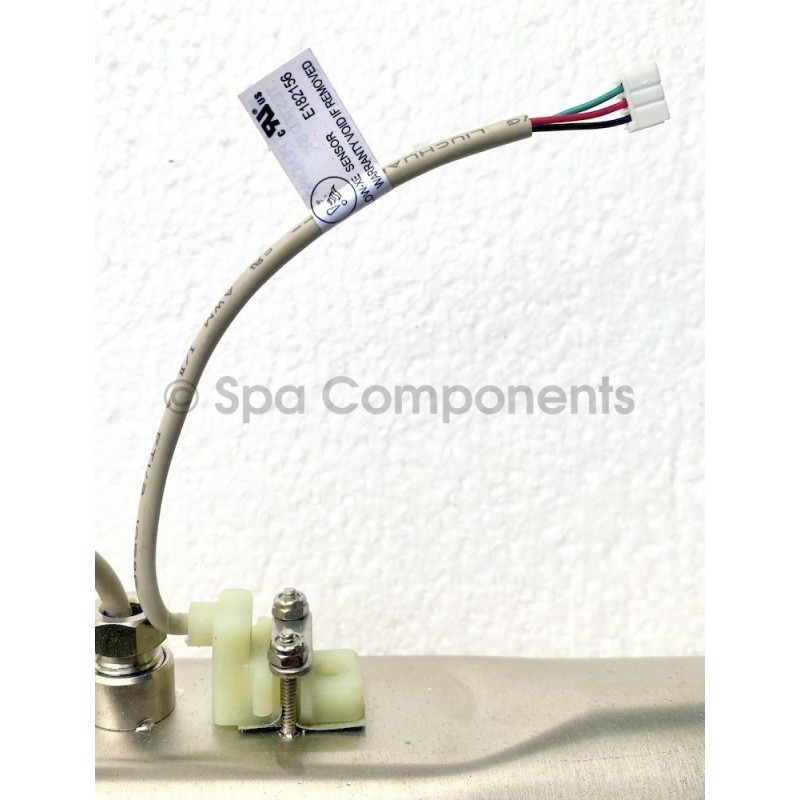
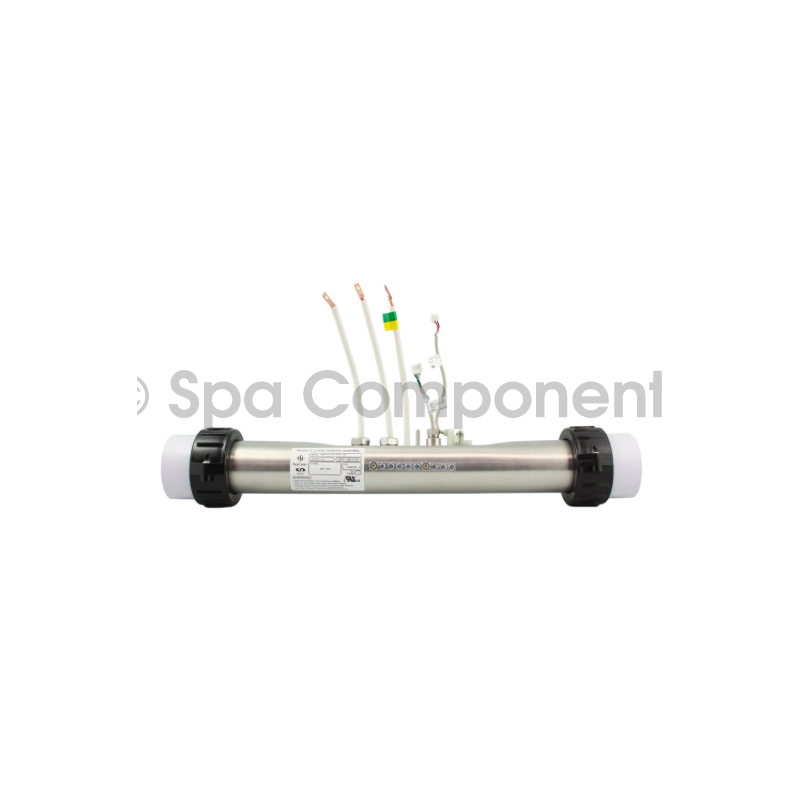
The Gecko in.flo sensor checks whether water moves through the spa heater. It is commonly integrated into the heater tube rather than installed as a separate external pressure switch.
When the pump runs, water should pass through the heater at a suitable rate. The in.flo sensor sends a flow status to the spa control system. If the system cannot confirm flow, it may stop the heater and display a fault.
This safety response protects the heater from running dry or overheating. A no-flow message does not always mean that the sensor itself is bad.
Common messages and what they suggest
| Display message | Likely meaning | First checks |
|---|---|---|
FLO or NO FLO |
The system does not detect suitable water flow | Water level, filter, air lock, valves, pump |
HL or high-limit warning |
The heater may be getting too hot because of weak flow | Filter, air lock, pump flow, blocked plumbing |
FLC or flow switch closed |
The system may detect flow when the pump is off | Sensor, wiring, or control-board issue |
| A pump or priming message | The pump may not be primed | Water level, suction air, pump lid, air lock |
The exact code depends on the Gecko control system, keypad, software version, and spa manufacturer. Use the owner’s manual for your specific spa pack when the message differs from these examples.
A no-flow fault can be intermittent. For example, a dirty filter may allow flow when the pump first starts but restrict flow after several minutes. A low water level may also let the pump pull air during a filtration cycle.

Safety Before Troubleshooting
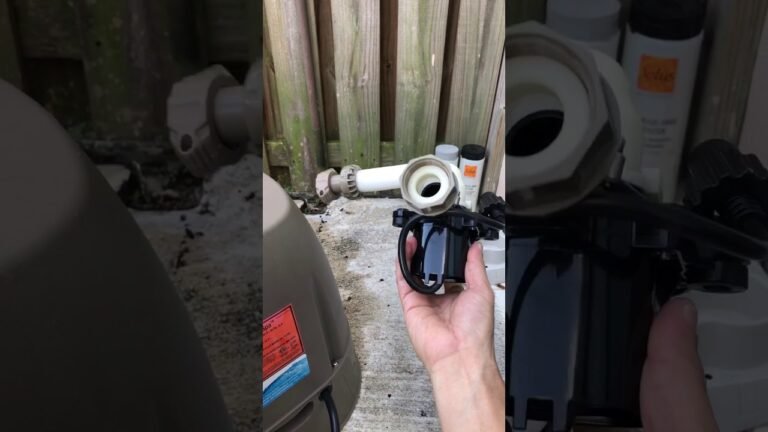
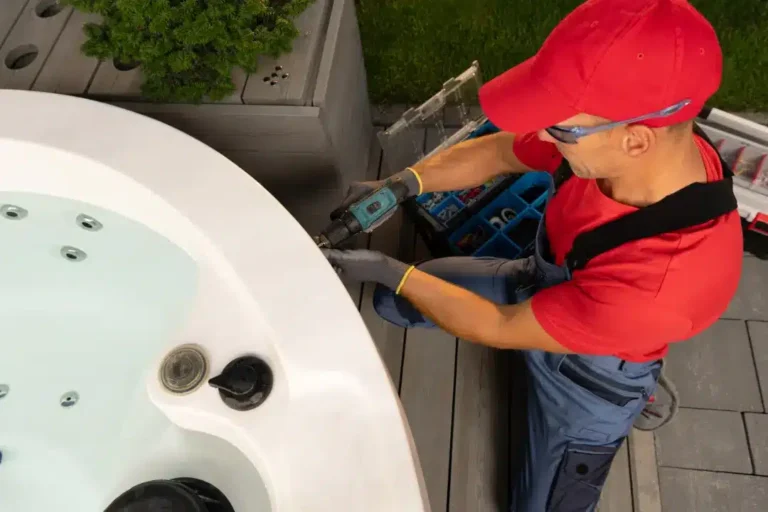
Turn off the spa at the GFCI breaker before removing the filter, opening a pump union, checking wiring, or working inside the equipment area. The spa cabinet can contain both high-voltage power and moving parts.
Follow these safety rules:
- Do not work inside the equipment bay with power on.
- Do not remove electrical covers unless you are qualified to do so.
- Do not bypass the in.flo sensor, heater safety circuit, or GFCI.
- Do not run the heater with low water or an empty plumbing line.
- Keep the equipment area dry while inspecting it.
- Replace damaged covers, unions, and seals before restoring power.
- Call a licensed spa technician for electrical tests or board repairs.
A reset may clear a temporary fault, but it will not repair a blocked filter, air lock, weak pump, or failed sensor. Always find the cause before repeatedly resetting the system.
Gecko in.flo Sensor No Flow Troubleshooting Steps
Work through the checks in order. The early steps are simple and solve many no-flow problems without replacing parts.
1. Check the water level
The water should usually sit above the highest water jet and meet the spa maker’s fill mark. The exact level varies by spa design.
Low water can cause the skimmer to draw air. That air may reach the pump and stop steady flow through the heater.
Add clean water if needed. Then inspect the spa for leaks, especially around:
- Pump unions
- Heater unions
- Filter housing
- Drain fittings
- Suction covers
- Plumbing joints inside the cabinet
If the water level keeps falling, repair the leak before continuing.
2. Remove and inspect the filter
A clogged filter is one of the most common causes of a Gecko no-flow error.
With power off, remove the filter and check for:
- Leaves and hair
- Oil or lotion buildup
- Fine dirt
- A collapsed or swollen cartridge
- A filter that is several years old
- A filter that does not match the spa
For a quick diagnostic check, some spa manuals allow the pump to run briefly with the filter removed. Follow your spa maker’s instructions. Never use the spa without a filter for normal operation, and do not leave the spa unattended during this test.
If the spa works with the filter removed, clean or replace the filter. A cartridge can look clean and still be restricted deep inside its pleats.
3. Confirm that all valves are open
Many spas have slice valves near the pump and heater. These valves must be open for water to move through the system.
A valve is usually open when its handle is raised or aligned with the plumbing, but designs vary. Check the spa manual rather than relying only on appearance.
Also check that:
- No shipping or service cap remains in the plumbing
- The drain line is closed
- The diverter valve is not sending all flow away from the heater
- The suction fittings are not blocked
- The water feature controls are not reducing pump flow
Never force a stuck valve. A broken valve stem can create a larger leak.
4. Listen to the pump
Restore power only after all covers are secure and the equipment area is safe. Start the pump and listen.
A healthy pump often produces a steady motor sound and a consistent stream from the jets. Watch for:
- Loud rattling
- A humming motor that does not start
- Repeated starting and stopping
- Surging water
- Little or no jet flow
- Air bubbles that do not clear
- A pump that runs but moves almost no water
If the pump hums but does not turn, switch off power promptly. The motor may be jammed, the capacitor may be faulty, or the pump may have another electrical problem.
If the pump runs with weak output, continue checking for air, restrictions, and pump wear.
5. Remove an air lock
An air lock occurs when air becomes trapped in the pump or heater plumbing. The pump may run, but it cannot establish a solid water column.
Common signs include:
- A dry or hollow pump sound
- Bursts of air from the jets
- Little water movement
- A pump that loses prime
- A no-flow message soon after refilling or draining the spa
To remove an air lock:
- Turn off the GFCI breaker.
- Check that the water level is high enough.
- Open the equipment access panel.
- Look for a pump bleed screw or a slightly loose pump union, if the spa design provides one.
- Loosen the fitting only enough to release trapped air.
- Stop when water flows steadily.
- Tighten the fitting securely.
- Dry the area.
- Restore power and check the pump.
Some pumps self-prime. Others need manual priming. Use the spa and pump manuals for the correct method. Never loosen a union with power on.
6. Check for a blocked suction path
The pump cannot create flow if water cannot reach its intake.
Inspect the suction covers inside the spa. Remove only debris that is easy to reach and never remove a suction cover while the pump is running.
Also check the skimmer area for:
- A stuck weir door
- A floating cover
- Toys or debris
- A blocked filter standpipe
- Ice in an unheated outdoor spa
- A loose or damaged suction fitting
A blocked suction cover can reduce flow and may create a safety risk. Do not operate the spa if a suction fitting is cracked, loose, or missing.
7. Check the jet settings and diverter controls
Some spas use diverter valves to move water between different jet groups. If a diverter is partly closed or positioned between settings, total flow may drop.
Open the main jets and place diverters in a normal operating position. If the no-flow message appears only when a certain jet zone is selected, that control or its plumbing may be restricted.
This test can help separate a system-wide flow problem from a problem in one branch of the plumbing.
8. Inspect the in.flo sensor area and cable
Turn off power again before inspecting the sensor or wiring.
Look for:
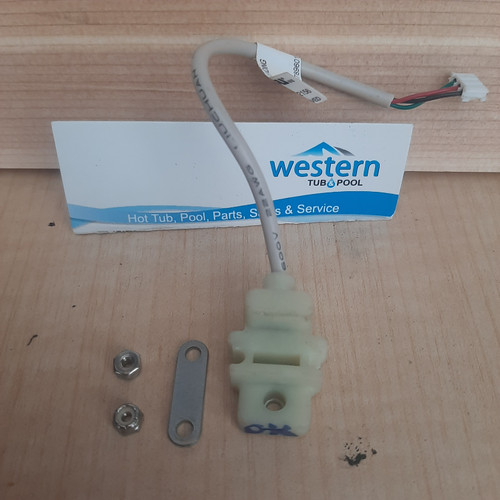
- A loose sensor plug
- Pinched wires
- Water damage
- Corrosion
- Rodent damage
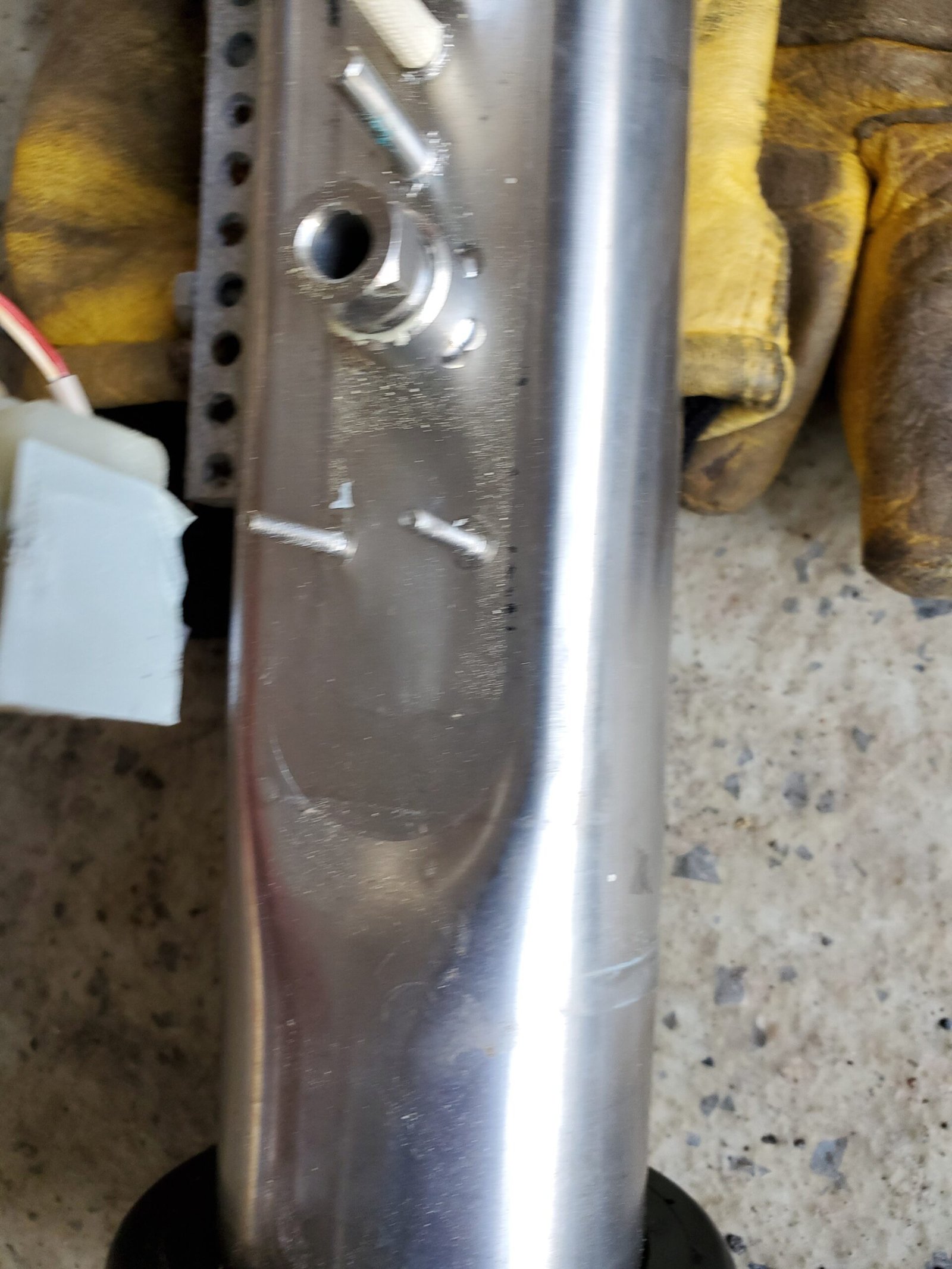
- A damaged heater tube
- Signs of overheating near the connector
Do not pull on the cable or probe into the heater tube. The sensor may be built into the heater assembly, and forcing it can cause a leak or damage the heater.
A disconnected sensor can create a no-flow message even when the pump appears to move water. However, the control board, cable, or sensor can be at fault only after basic flow causes have been ruled out.

Symptom-to-Cause Troubleshooting Table
Use the symptom as a guide, but confirm the cause with the safe checks above.
| Symptom | More likely causes | Best next step |
|---|---|---|
| No jet flow after filling the spa | Air lock, closed valve, low water | Turn off power, verify water level, prime the pump |
| Weak flow from every jet | Dirty filter, blocked suction, worn pump, closed valve | Remove and inspect the filter, then check suction and valves |
| Flow is strong but the error remains | Sensor, cable, connector, or control issue | Inspect the connector with power off; arrange service if needed |
| Error appears after a filter change | Air introduced during service, incorrect filter, loose fitting | Recheck filter seating and prime the pump |
| Error appears only on low-speed filtration | Weak low-speed flow, dirty filter, pump issue | Clean the filter and compare flow on high speed |
| Pump is noisy and bubbles come from jets | Air lock, low water, suction-side leak | Check water level and prime the pump |
HL follows a FLO message |
Restricted flow caused heater overheating | Correct the flow problem before resetting |
FLC appears while the pump is off |
Sensor or flow circuit may be stuck closed | Do not bypass it; seek diagnostic service |
The key distinction is whether the pump produces real, steady water movement. A displayed pump icon does not prove that water is flowing through the heater.
When the in.flo Sensor Itself May Be Faulty
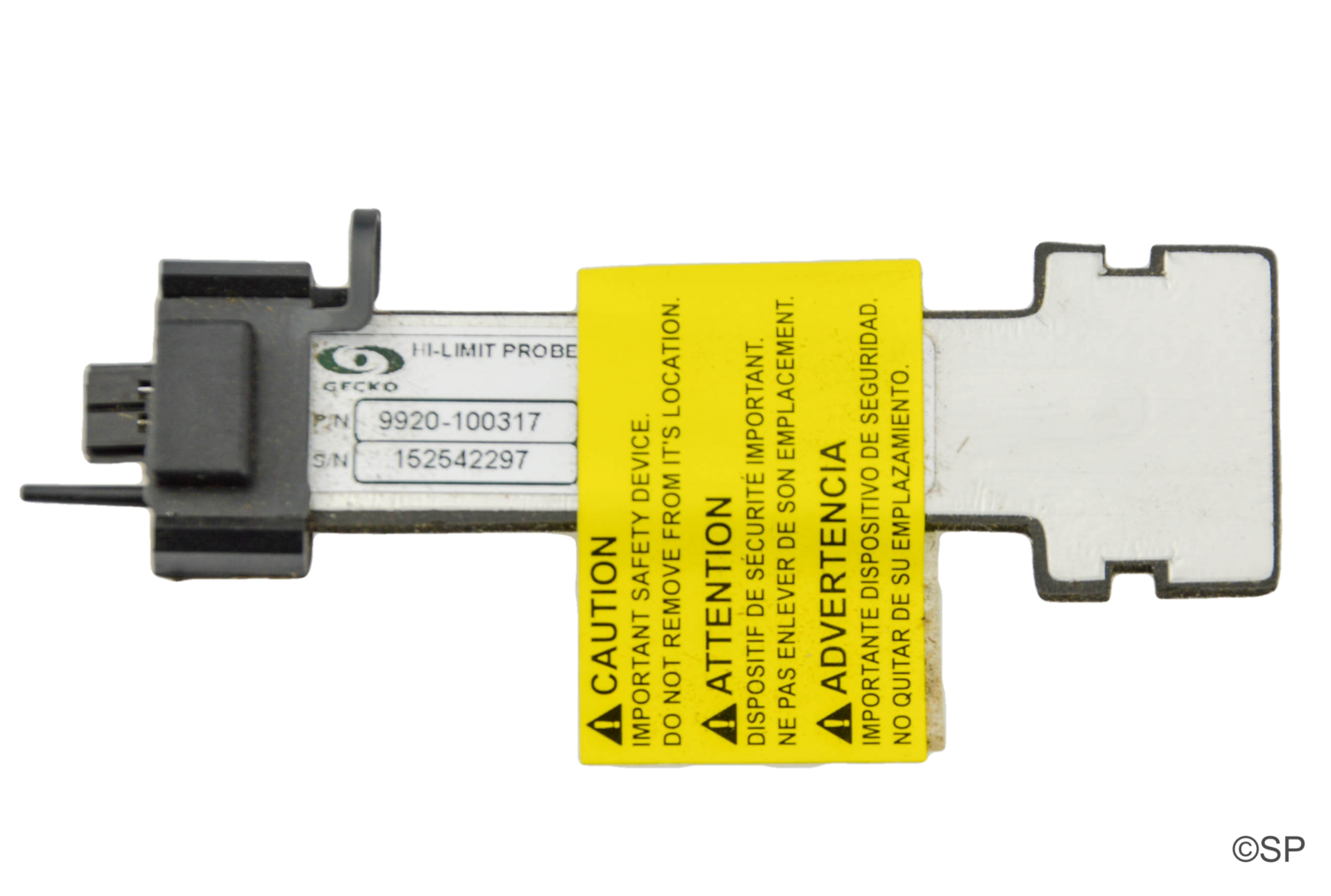
Suspect the sensor or its circuit only after you have confirmed adequate water level, an open flow path, a clean filter, a primed pump, and normal jet output.
Possible signs of a sensor or control fault include:
- Strong, steady flow but a persistent no-flow message
- A message that returns immediately after every reset
- A damaged sensor connector
- A flow code that appears with the pump off
- A fault that began after water entered the control box
- Sensor readings that change when the cable is moved
A technician may need to test the sensor circuit, inspect the heater assembly, and check the control board. The correct test depends on the exact Gecko pack and the in.flo version.
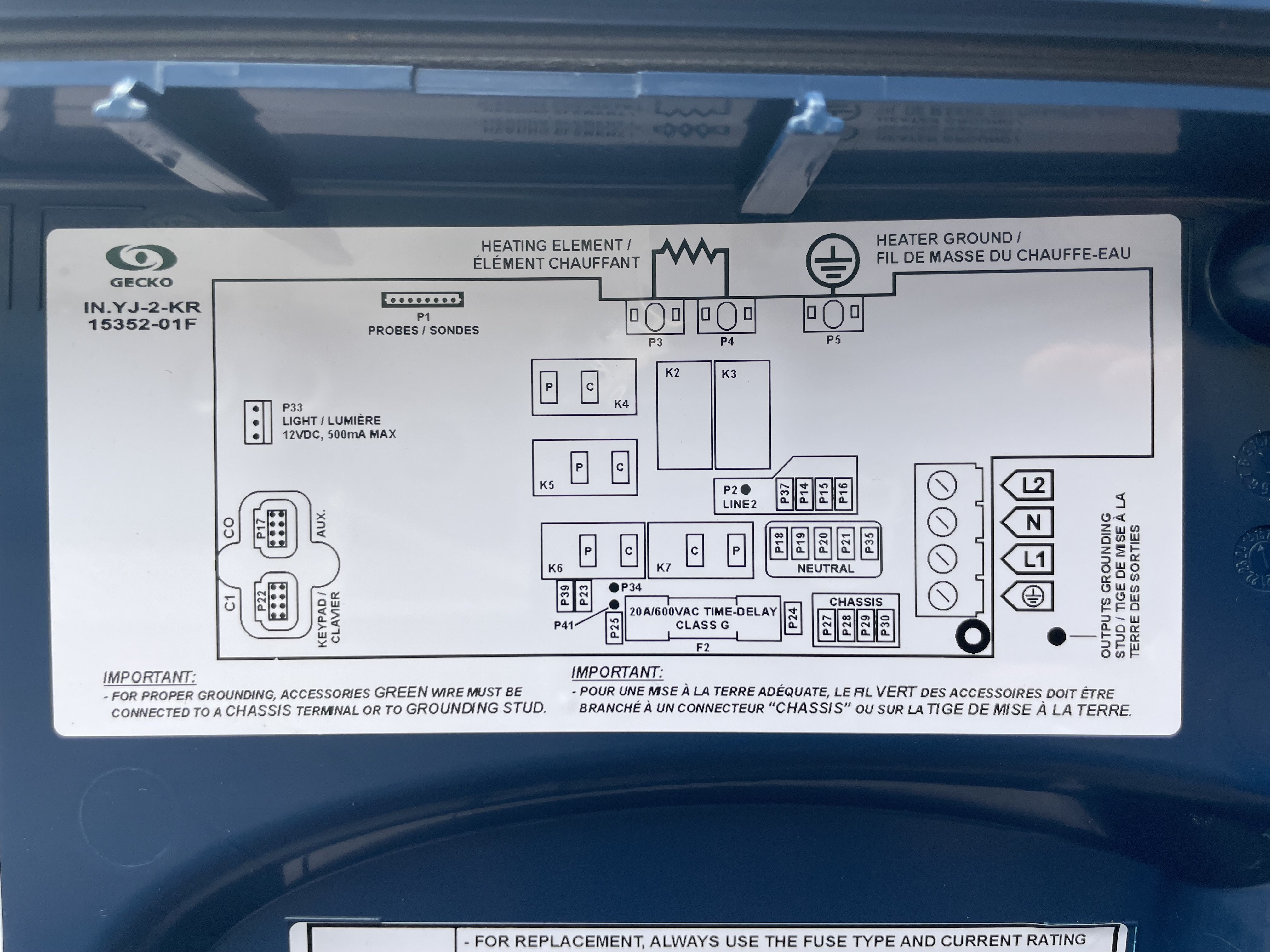
Do not install a generic pressure switch as a substitute. Gecko systems differ, and the sensor, heater, software, and control board must be compatible. Use the part number printed on the heater or control pack and confirm it with the spa manufacturer or an authorized Gecko service source.
How to Reset a Gecko No-Flow Error
Reset the spa only after correcting the suspected flow problem.
- Turn off the spa at the GFCI breaker.
- Wait at least 30 seconds, or follow the spa manual.
- Confirm that the water level is correct.
- Confirm that the filter, valves, and pump are ready.
- Restore power.
- Watch the pump during the start or priming cycle.
- Check for steady water movement and a clear display.
Some systems need more time to complete a priming routine. Do not keep cycling the breaker if the pump cannot prime or the error returns at once.
If the spa heats normally and the error does not return, monitor it through a full filtration cycle. If the code returns, the underlying problem remains.
Common Mistakes to Avoid
Replacing the sensor first
A dirty filter or air lock often looks like a sensor fault. Replacing the sensor before checking flow can waste money and leave the real problem in place.
Running the spa without the filter for too long
A short diagnostic test may be allowed by the spa maker, but normal operation without a filter can let debris enter the pump and heater. Replace the filter after testing.
Resetting the breaker again and again
Repeated resets can stress components and hide a worsening pump or heater problem. A reset is a restart, not a repair.
Trusting the pump sound alone
A motor can run while the pump has lost prime. Look for steady jet flow and listen for air or cavitation.
Opening electrical equipment with power on
The spa may have dangerous voltage even when the topside display is off. Use the GFCI breaker and verify that power is disconnected before opening the control box.
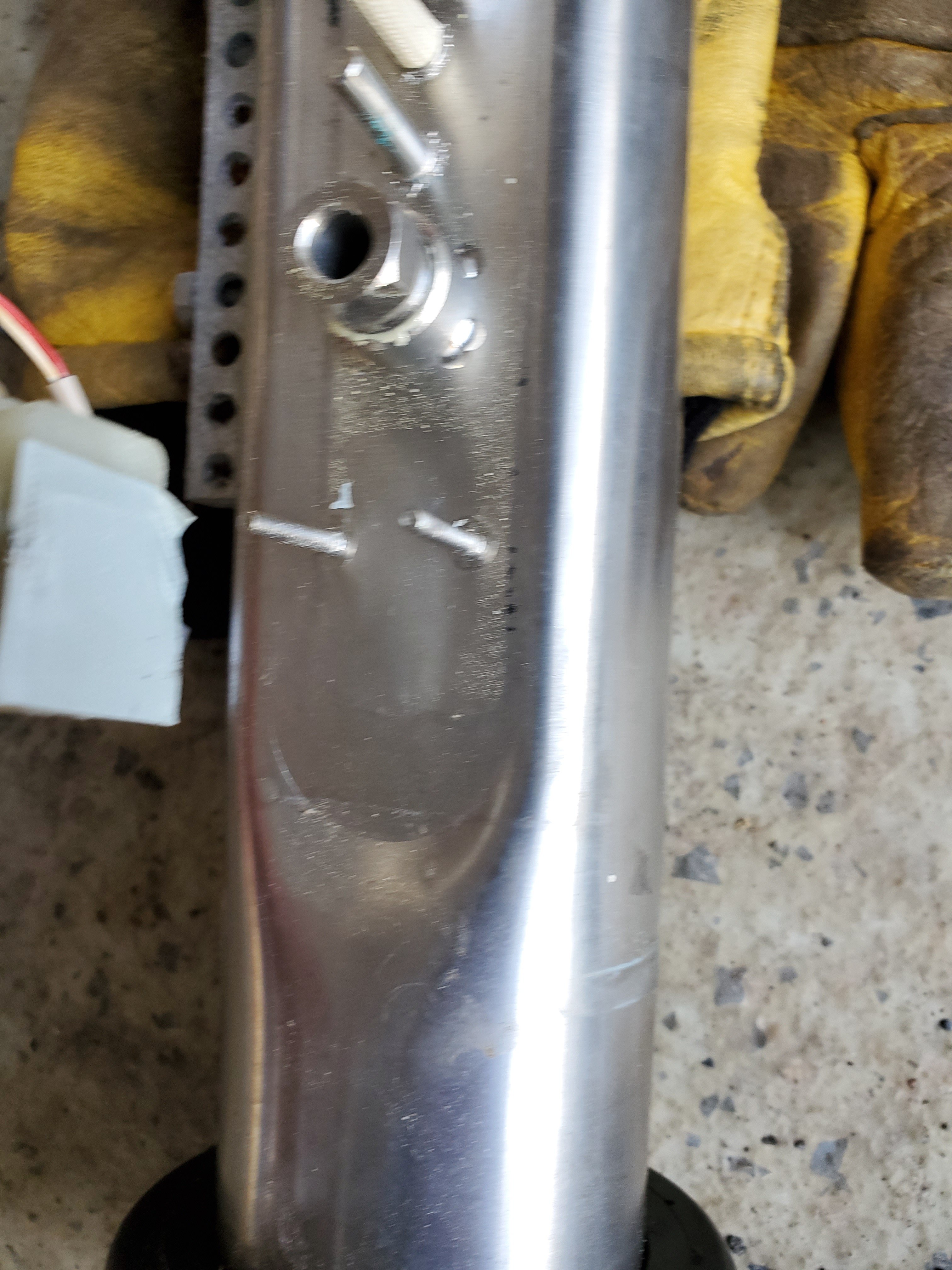
When to Call a Spa Technician
Call a qualified spa technician when:
- The GFCI trips repeatedly
- The pump will not start
- The pump hums, overheats, or leaks
- The sensor cable or heater is damaged
- The error remains despite strong water flow
- The control box shows burn marks or water damage
- You smell burning plastic or overheated wiring
- A breaker or fuse fails again after replacement
- You need electrical voltage or continuity testing
Provide the technician with the spa brand, model, control-pack model, displayed error, and steps already completed. A photo of the equipment label can help identify the correct Gecko in.flo assembly.

Frequently Asked Questions
Can I use a Gecko spa with a FLO error?
Do not use the spa for normal heating until the cause is fixed. The control may shut off the heater, but the error indicates that the system cannot confirm safe flow.
Will a new filter fix a Gecko in.flo no-flow error?
It may, if the old filter restricts water. A new filter will not fix an air lock, closed valve, weak pump, blocked suction line, wiring fault, or failed sensor.
How do I know whether the pump or sensor is the problem?
If the jets have weak or uneven flow, investigate water level, filter, air, valves, suction, and the pump first. If flow is strong and steady but the error remains, the sensor circuit becomes more likely.
Why does the error appear after draining and refilling the spa?
Draining can allow air to enter the pump and heater plumbing. The pump may lose prime when the spa is refilled. Check the water level and follow the pump’s approved priming procedure.
Can I bypass the Gecko in.flo sensor?
No. The sensor is part of the heater safety system. Bypassing it can allow the heater to operate without confirmed flow and may cause equipment damage, fire, or electric shock.
Final Takeaway
For a Gecko in.flo sensor no-flow problem, start with the water path—not the sensor. Check the water level, filter, valves, suction area, pump prime, and jet flow in that order. Then inspect the sensor cable and heater assembly only after basic flow is confirmed.
If strong water flow is present but the fault remains, stop resetting the spa and arrange model-specific service. Keep the GFCI and heater safety circuit intact, and use the exact Gecko control-pack and spa manual for electrical tests or replacement parts.