Hot Tub Jets Turn On By Themselves: Causes And Fixes
Hot tub jets that turn on by themselves are often following a normal heat, filter, or freeze-protection cycle. This is common in hot tubs sold in the United States, including 120-volt plug-in models and 240-volt hardwired models.
The issue may also come from a stuck control button, a failed relay, a damaged sensor, or a control-panel fault. Start by checking the spa’s programmed cycles and display messages. If the jets run continuously, the breaker trips, or you smell burning, turn off power at the breaker and call a qualified spa technician or electrician.
Introduction
A hot tub does more than respond to the buttons on its control panel. Its control system may start a pump to heat the water, filter debris, prevent freezing, or run a scheduled cleaning cycle.
That means a short, quiet pump cycle may be normal. A pump that starts at random times, changes speed without input, or will not shut off needs closer attention.
This guide explains how to tell the difference and what you can safely check at home.
Are Hot Tub Jets Turning On by Themselves Normal?
Short, scheduled pump cycles are often normal. Many hot tubs start a pump when the water temperature drops below the set point or when a programmed filtration cycle begins.
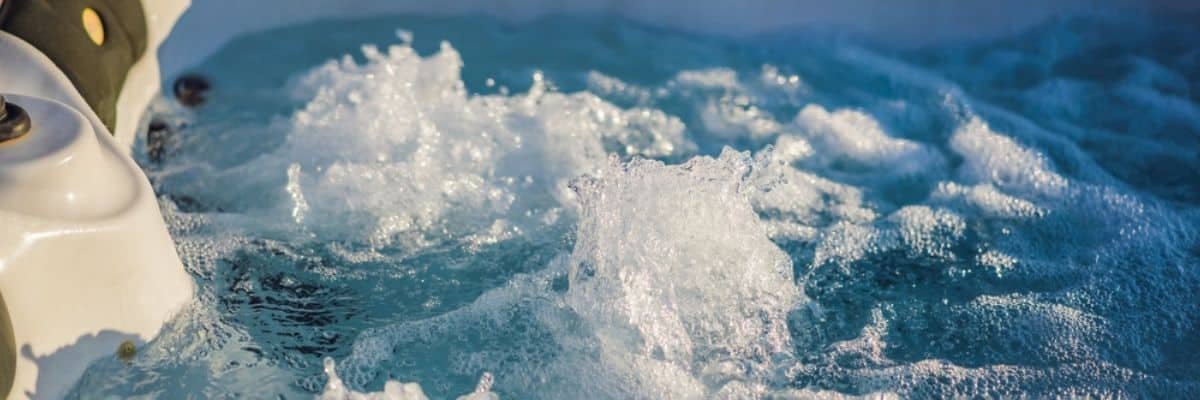
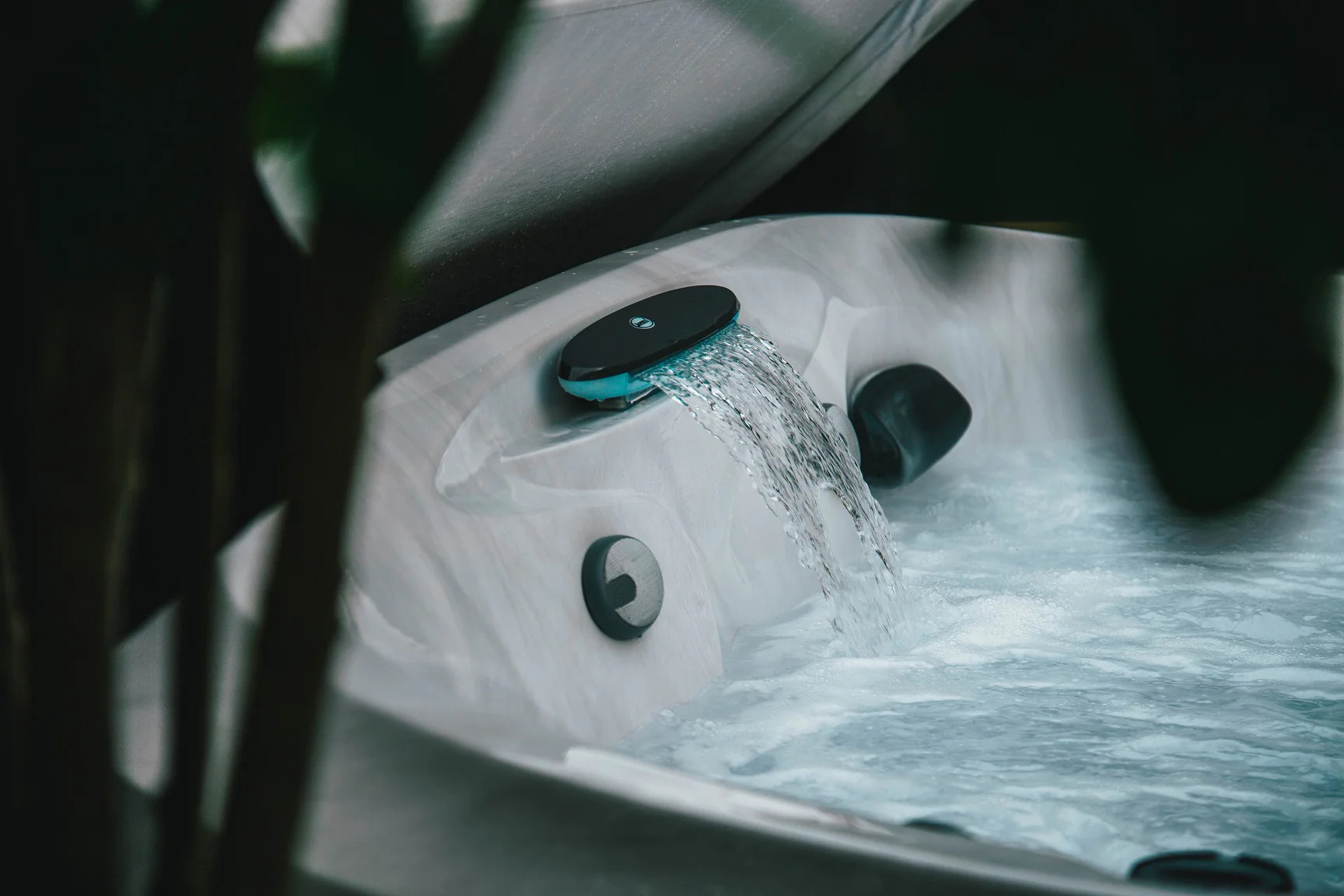
The word “jets” can also cause confusion. Some owners use it to describe all water movement. Your spa may have:
- A circulation pump that runs quietly
- A low-speed filtration cycle
- A high-speed therapy pump
- Air bubbles from an air blower
- Water movement caused by the heater system
These parts may not operate in the same way.
Signs the behavior may be normal
The pump may be working as designed if:
- It runs at regular times each day.
- It stops after a short cycle.
- It runs on low speed rather than full power.
- The display shows a filter, heat, clean, or freeze message.
- The water temperature is below the set temperature.
- The cycle changes after you adjust the filtration schedule.
Some spas also run a brief cycle after use. This helps move treated water through the plumbing.
Signs the behavior may indicate a fault
A repair is more likely needed when:
- The jets start at random times.
- The pump runs for hours without stopping.
- The jets switch from low to high speed without input.
- The control panel shows a pump, sensor, or flow error.
- The buttons activate without being touched.
- The pump starts after rain or water enters the control panel.
- The breaker trips when the jets start.
- The pump continues running after you lower the set temperature.
The exact behavior depends on the spa brand, model, control pack, and software. Check the owner’s manual before deciding that a cycle is abnormal.

Why Do Hot Tub Jets Start Without Pressing a Button?
The most common causes are programmed cycles, temperature control, freeze protection, and a control fault. Check the normal operating causes first because they require no repair.
1. A filter or cleaning cycle is running
Most modern hot tubs have a filtration schedule. During this cycle, the spa runs one or more pumps to move water through the filter.
The schedule may start after installation with factory settings. It may also change after a power outage or reset, depending on the model.
Look for settings named:
- Filter cycle
- Clean cycle
- Purge cycle
- Water care
- Economy mode
- Circulation
- Filtration duration
A cleaning cycle may start at a fixed time. If the pump begins at the same time each day, a programmed cycle is a strong possibility.
2. The heater is calling for water flow
A hot tub must move water through the heater. If the water temperature falls below the set point, the control system may start a circulation pump or low-speed jet pump.
This is more likely when:
- The cover is open.
- The weather is cold.
- The set temperature is high.
- The spa has recently been used.
- The water level is low.
- The cover does not seal well.
A heater cycle should normally stop after the water reaches the target temperature. If it does not, check for a flow problem or control fault.
3. Freeze protection has activated
Many spas have automatic freeze protection. When the water or equipment area becomes too cold, the system may run pumps to move warm water through the plumbing.
This feature helps protect pipes and equipment from freezing. It can activate even when you did not set a filter cycle.
Do not disable freeze protection during cold weather unless the manufacturer gives a specific procedure. If the spa is winterized, follow the model’s winterization instructions instead.
4. The control panel has a stuck button
A worn or damaged topside control panel can send an unwanted command to the control system.
Common signs include:
- One button feels soft or stays pressed.
- The display changes without touch.
- Several buttons stop working.
- The panel works after drying but fails again later.
- The problem began after rain, cleaning, or a spill.
Do not spray household cleaner into the control panel. Moisture and cleaning fluid can damage the keypad.
5. A relay is stuck
A relay is an electrically controlled switch. It sends power to a pump when the control system requests operation.
A failed relay may remain closed. In that case, the pump can keep running even when the control panel says it should be off.
A stuck relay is not a safe do-it-yourself repair for most owners. The control box contains electrical parts that may remain dangerous even after the spa appears off. Turn off the correct breaker and arrange service.
6. A temperature or flow sensor has failed
The control system uses sensors to monitor water temperature and water movement. A bad sensor can cause the spa to start pumps, display an error, or enter a protective mode.
Possible clues include:
- A temperature reading that changes sharply.
- An incorrect water temperature.
- “Flow,” “dry,” “high limit,” or sensor codes.
- The heater runs poorly.
- The pump cycles in an unusual pattern.
Sensor codes vary by brand. Write down the exact code and search the manual for that model.
7. A remote app or smart control sent a command
Some US hot tubs support Wi-Fi or smart-home controls. A schedule, automation rule, shared account, or accidental tap may start the pump.
Check:
- The app’s activity history.
- Water-care schedules.
- Shared user accounts.
- Smart-home routines.
- Recent router or app changes.
Disconnecting the spa from Wi-Fi can help identify the cause, but follow the manufacturer’s instructions first.
8. A power interruption reset the control system
A short power outage can reset the clock or return settings to default. The spa may then begin a filtration cycle at an unexpected time.
After a reset, check:
- The current time.
- The filter schedule.
- The heating mode.
- The temperature setting.
- Any economy or sleep settings.
If the display repeatedly resets, the spa may have a power supply, wiring, or control-board problem.

How to Troubleshoot Hot Tub Jets That Turn On by Themselves
Use this order: observe the pattern, check settings, verify water level, reset the system once, and then arrange service if the issue remains.
Step 1: Watch the pattern
Before changing settings, record what happens.
Write down:
- The time the pump starts
- How long it runs
- Whether it runs on low or high speed
- Whether bubbles appear
- The water temperature
- The display message
- Weather conditions
- Whether the event follows spa use
A regular pattern points toward a programmed cycle. A random pattern points more toward a control, sensor, moisture, or electrical problem.
Step 2: Identify which component is running
Listen near the equipment compartment, but do not remove the cover while power is on.
Try to identify whether you hear:
- A quiet circulation pump
- A low-speed jet pump
- A high-speed jet pump
- An air blower
- A vibration from the plumbing
Open or close the air controls, if your spa has them. Air controls change the feel of the jets but usually do not start the water pump by themselves.
Step 3: Check the water level
Low water can cause air to enter the plumbing. It can also cause flow errors, noisy operation, or pump cycling.
Fill the spa to the level marked by the manufacturer. The correct level is often near the middle of the skimmer opening, but use the owner’s manual for your model.
Do not run the pump if the water level is below the required mark. Running a pump without enough water can damage it.
Step 4: Check the control settings
Use the control panel or app to review:
- Current time
- Filtration periods
- Cleaning cycles
- Heating mode
- Water-care settings
- Temperature set point
- Vacation or economy mode
- Freeze-protection status
Take a photo of the settings before changing them. This helps you restore the original setup if needed.
Step 5: Check the filter
A dirty filter can reduce water flow. The control system may respond by changing pump behavior or showing a flow warning.
With power off, remove and inspect the filter. Clean it only by following the spa maker’s instructions. A garden hose may work for routine rinsing, but some filters need a proper filter cleaner.
Never operate the spa without the filter unless the manual allows it for a specific test.
Step 6: Perform one normal reset
A reset can clear a temporary control error.
For a typical US installation:
- Turn off the spa at its dedicated breaker.
- Wait the time stated in the manual. If the manual gives no time, wait several minutes.
- Turn the breaker back on.
- Watch the startup sequence.
- Check whether the pump starts again without a command.
Do not repeatedly cycle the breaker. Repeated resets can hide a fault and may stress electrical parts.
Step 7: Check for error codes
Write down the exact code, including letters and numbers. Similar codes can mean different things on different control systems.
Do not replace a sensor or control board based only on a code found in a general online article. Confirm the code in the manual for your spa’s exact model.
Step 8: Stop and call for service when needed
Turn off the breaker and contact a qualified technician if:
- The pump will not turn off.
- The GFCI trips.
- You smell hot plastic or burning.
- You see sparks or smoke.
- Water is inside the electrical area.
- The display is blank after a reset.
- The pump starts at full speed without control.
- The wiring or control box looks damaged.
- The problem returns after drying or resetting.
A licensed electrician may be needed for supply wiring or breaker problems. A spa technician may be better suited for pumps, sensors, relays, and control boards.

Quick Diagnosis Table
Use this table as a starting point, not as a replacement for the owner’s manual.
| What you notice | Likely cause | Safe first check |
|---|---|---|
| Pump starts at the same time each day | Filter or cleaning schedule | Review filtration settings |
| Pump runs on low speed during heating | Normal heat cycle | Check the set temperature |
| Pump runs during very cold weather | Freeze protection | Keep power and water levels correct |
| Jets start after rain | Wet or damaged control panel | Turn off power if behavior continues |
| Jets change speed without input | Keypad, relay, or control fault | Reset once and check for error codes |
| Pump will not stop | Stuck relay or control problem | Turn off the breaker and call for service |
| Pump is noisy and water level is low | Air entering the plumbing | Add water before further use |
| Breaker trips when jets start | Electrical fault or pump problem | Leave power off and seek qualified help |
| Pump runs after a power outage | Reset schedule or clock | Check time and programmed cycles |
| App starts the spa | Remote schedule or automation | Review app history and routines |

Can You Stop the Jets From Starting Automatically?
You can usually change automatic operation settings, but you should not disable safety systems. Filter, heating, and freeze cycles serve different purposes.
To reduce unwanted cycling
You may be able to:
- Change the filter start time.
- Reduce the filter duration within the manufacturer’s limits.
- Change from a continuous circulation mode to a scheduled mode.
- Lower the temperature set point.
- Disable a smart-home routine.
- Correct the spa’s clock.
- Replace or clean a clogged filter.
Do not turn off freeze protection during freezing weather. Do not bypass a flow switch, high-limit sensor, GFCI, or other safety device.
If a pump starts when you change a setting, that may be part of the spa’s normal control sequence. If it starts randomly after the change, restore the original settings and arrange service.

What Should You Check Before Calling a Technician?
Collecting clear information can reduce diagnostic time. Have these details ready:
- Spa brand and exact model
- Approximate installation date
- Voltage type, if known
- Whether the spa is plug-in or hardwired
- Pump behavior and speed
- Error codes
- Water temperature
- Filter condition
- Date the problem began
- Recent power outages
- Recent cleaning, draining, or repairs
- Whether the spa has Wi-Fi control
- Whether the breaker or GFCI has tripped
Take a short video of the display and pump behavior if it is safe to do so. Do not record inside an open electrical compartment while power is on.

Common Mistakes to Avoid
Do not assume every pump cycle is a fault
A short cycle may be part of heating, filtration, cleaning, or freeze protection. First check whether the timing is regular.
Do not keep resetting a tripping breaker
A tripping GFCI can signal current leakage or another electrical fault. Resetting it again and again does not fix the cause.
Do not open the control box while energized
Hot tubs combine water and high-voltage electricity. Even a 120-volt spa can create a serious shock hazard. Turn off the correct breaker before any inspection, and leave internal repairs to a qualified person.
Do not replace parts based on a generic code list
A code such as “FLO,” “OH,” or “DR” may have different meanings across brands and control systems. Use the manual for the exact model.
Do not drain the spa before checking the manual
Some systems need water in the plumbing for testing. A drained spa can also suffer damage if power is restored while the pump or heater is dry.

When Is It Safe to Use the Hot Tub Again?
You can usually use the spa after confirming that the pump cycle is normal, the water level is correct, no error appears, and the breaker stays on.
Do not use it when:
- The pump runs continuously.
- The water is not circulating correctly.
- The spa shows a high-limit or flow error.
- The water level is too low.
- The breaker trips.
- The control panel is wet or damaged.
- You smell burning.
- Electrical parts have been exposed to water.
A technician should confirm the repair before the spa returns to service when the problem involves wiring, relays, sensors, the control board, or a repeated GFCI trip.

Frequently Asked Questions
Why do my hot tub jets turn on at night?
The most likely reason is a filtration, cleaning, heating, or freeze-protection cycle. Check whether the jets start at the same time each night. If the schedule is correct but the pump runs much longer than expected, inspect the filter and error display, then contact a technician if needed.
Why do hot tub jets turn on when the water is cold?
The spa may be trying to heat the water. The control system starts a pump so water can move through the heater. Cold outdoor weather, an open cover, a high temperature setting, or poor insulation can make heating cycles more frequent.
Why do my jets turn on after a power outage?
The outage may have reset the clock or filtration schedule. Some spas also run a startup or purge cycle after power returns. Check the time, filter settings, and display messages. Repeated resets may indicate a power or control issue.
Can low water make hot tub jets turn on by themselves?
Low water can cause air in the plumbing, poor flow, pump noise, or error conditions. It may not directly command the jets to start, but the control system may respond to the resulting flow problem. Restore the water level before testing the spa.
Why do my hot tub jets turn on when it rains?
Rain can expose a damaged or poorly sealed control panel to moisture. Water may also enter a wiring area or create a temporary keypad fault. Turn off the breaker if the jets behave unpredictably, and do not use the spa until the area has been inspected.
Should I unplug my hot tub if the jets will not stop?
If the spa is a 120-volt plug-in model and you can disconnect it without touching wet equipment, follow the owner’s manual. For hardwired spas, turn off the dedicated breaker. If the breaker trips, smells hot, or shows damage, do not restore power; call a qualified professional.
Conclusion
Hot tub jets that start by themselves are often caused by a normal filter, heat, cleaning, or freeze-protection cycle. A regular schedule and short run time usually point to normal operation.
Random starts, continuous running, unexplained speed changes, error codes, moisture, or breaker trips suggest a control, sensor, relay, pump, or electrical problem. Check the settings, water level, filter, and model-specific error codes first. Turn off power and get professional help when the fault involves electricity or the pump will not stop.
For the next step, observe one full cycle and record its time, duration, speed, and display message. That small record can quickly separate a programmed cycle from a repair issue.