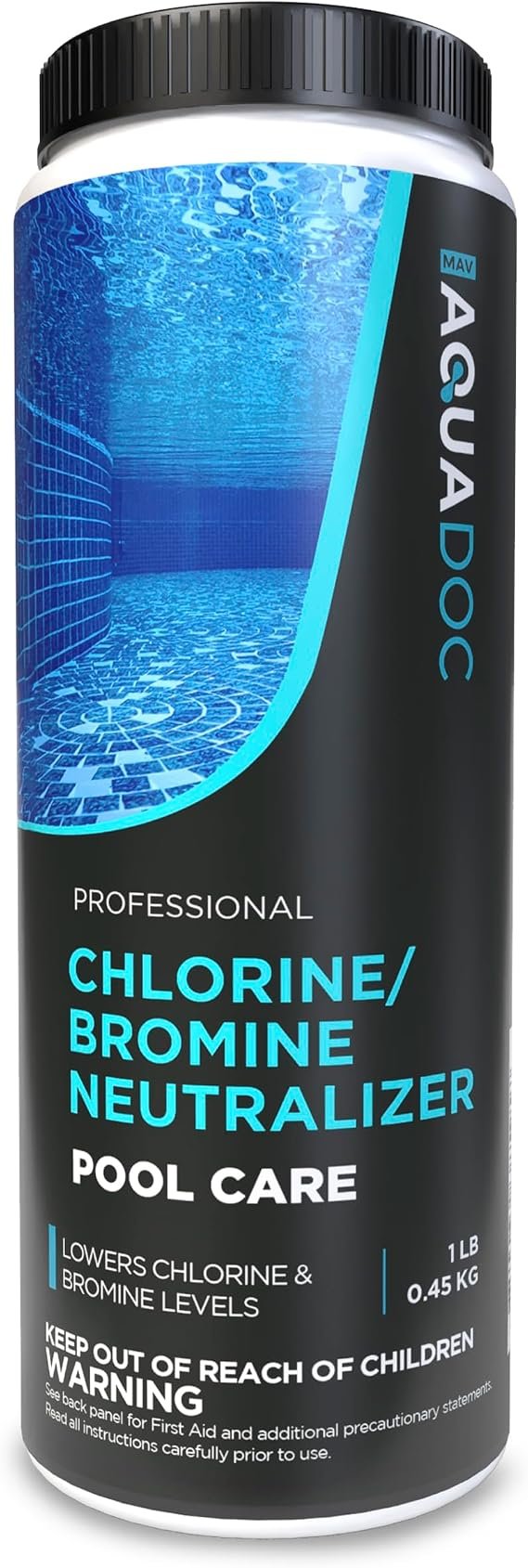
Mixing Bromine And Chlorine In Hot Tub: Is It Safe?
You should not mix bromine and chlorine products directly in a hot tub. In a U.S. spa, adding one chemical to the other, or combining them in a bucket, feeder, or dosing container, can cause a dangerous reaction. However, chlorine and bromine can exist in the same water for a short time during some sanitizer changes because chlorine can activate bromide already in the water.
The safest rule is simple: use one primary sanitizer system at a time. If you want to switch from bromine to chlorine, drain the hot tub, clean it, replace or clean the filter, refill it with fresh water, and follow the new product label.
Introduction
Many hot tub owners in the United States use either bromine or chlorine to control bacteria and other germs. Both are effective sanitizers when the level, pH, water temperature, and product instructions are correct. The confusion starts when a spa owner wants to change systems or accidentally adds the wrong chemical.
The key difference is that bromine and chlorine are not interchangeable products. They react in different ways, and some mixtures can release heat, fumes, or corrosive chemicals. This guide explains what happens when they meet, what to do after an accidental addition, and how to switch safely.

Can You Mix Bromine and Chlorine in a Hot Tub?
Do not deliberately mix bromine and chlorine products. Never combine them in a container or add concentrated products at the same time.
A small amount of chlorine in a bromine-treated hot tub does not always create an immediate emergency. Chlorine can react with bromide ions in the water and form active bromine. This is one reason chlorine products may continue to affect a spa after the owner has used bromine.
That does not make the practice safe or recommended. The result can be hard to predict because it depends on:
- The chemical type and concentration
- The amount added
- Water volume
- Current bromine, chlorine, and pH levels
- Water temperature
- Whether the products are dry, liquid, or concentrated
- The instructions on the product label
Never mix concentrated chemicals
Do not combine:
- Chlorine shock with bromine tablets
- Chlorine granules with bromine granules
- Chlorine and bromine in a measuring cup
- Different tablets in the same feeder unless the manufacturer allows it
- Spa chemicals in a bucket for later use
- Old chemical residue with a new chemical
Dry pool and spa chemicals can react when they contact each other. Moisture, heat, or residue inside a feeder can make the reaction worse.
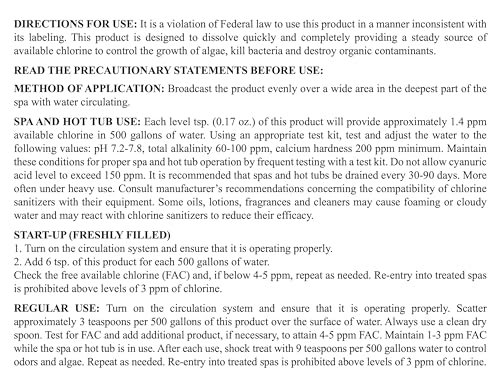
The U.S. Environmental Protection Agency requires registered pesticide products, including many spa sanitizers, to carry label directions. The label is legally binding. Use the product only as directed.
Why chlorine can activate bromine
Bromine systems often contain bromide ions in the water. A chlorine oxidizer can convert those ions into active bromine. In simple terms:
Chlorine + bromide ions → active bromine
This means adding chlorine to a bromine spa may not create a clean switch to chlorine. Instead, it may increase the active bromine level.
The reverse process is not a reliable way to create a chlorine system. Adding bromine to a chlorine spa can leave bromine behind and make future chlorine readings difficult to interpret.

What Happens When Chlorine Is Added to a Bromine Hot Tub?
When chlorine enters a bromine-treated spa, it may react with bromide and form bromine. The water may still test as bromine even though chlorine was added.
This can cause three practical problems:
-
The sanitizer may become stronger than expected.
The test result may rise after the reaction. -
The water may become irritating.
High sanitizer levels can irritate the eyes, skin, and lungs. -
The spa may not truly switch systems.
Bromide can remain in the water until the spa is drained and refilled.
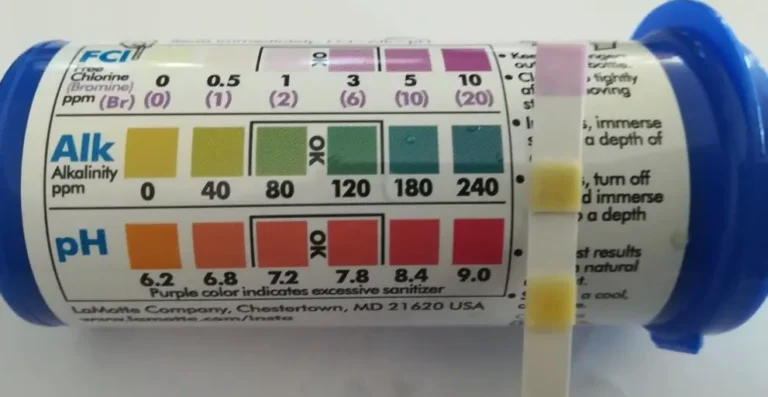
A test strip may also give a misleading result if the water has a high sanitizer level or if the strip is old. Test strips are useful for routine checks, but a drop-based test kit can provide better control when levels seem unusual.
Do not enter the hot tub based only on clear water. Clear water can still have an unsafe sanitizer or pH level.
What to Do If You Accidentally Mixed Bromine and Chlorine
If you added one product to the other by mistake, stop adding chemicals and keep people out of the spa until the water is safe.
Step 1: Leave the cover open
Open the hot tub cover if it is safe to do so. Stay upwind and avoid breathing fumes. Do not lean over the water.
Good ventilation helps reduce the buildup of irritating vapors. Never use the spa indoors or in a closed area while strong chemical fumes are present.
Step 2: Turn off the spa if fumes or heat appear
If you notice strong fumes, bubbling, heat, smoke, discoloration, or a sharp chemical odor, turn off the spa equipment if you can do so without approaching the fumes.
Do not handle the water. Do not add another chemical to “cancel out” the first one.
If anyone has trouble breathing, chest pain, severe coughing, eye injury, burns, or other serious symptoms, move away from the area and call 911. For a possible poisoning or chemical exposure in the United States, contact Poison Control at 1-800-222-1222.
Step 3: Check the product labels
Find the exact names and active ingredients of the products. Look for:
- Sodium dichloro-s-triazinetrione
- Trichloro-s-triazinetrione
- Calcium hypochlorite
- Sodium hypochlorite
- Sodium bromide
- Bromochlorodimethylhydantoin
- 1-bromo-3-chloro-5,5-dimethylhydantoin
The product type matters. Two products that both say “shock” may have very different ingredients.
Step 4: Test the water only after it is stable
Do not immediately trust a test strip if the water is reacting or fumes are present. Once the area is ventilated and the water has settled, test:
- Free chlorine
- Bromine
- pH
- Total alkalinity
Follow the test kit instructions. If the reading is above the product label range, do not use the spa.
Step 5: Drain and refill when the result is uncertain
A drain and refill is the safest solution when:
- You mixed concentrated products
- You do not know how much was added
- The water has a strong chemical smell
- The water is cloudy, foamy, or discolored
- The sanitizer level remains very high
- The pH is far outside the normal range
- The spa has a bromide bank and you want to switch to chlorine
After draining, wipe out the shell, rinse the plumbing as directed by the spa maker, clean or replace the filter, and refill with fresh water.

How to Switch From Bromine to Chlorine
To move from a bromine system to a chlorine system, drain the old water instead of trying to neutralize it with more chemicals.
Safe conversion steps
- Stop adding bromine.
- Remove bromine tablets or cartridges from the feeder.
- Turn off the heater and allow the water to cool if the spa manufacturer requires it.
- Drain the hot tub according to the owner’s manual and local discharge rules.
- Clean the shell and cover.
- Clean the filter or install a new one if it has absorbed chemical residue.
- Refill with fresh water.
- Test and balance alkalinity and pH.
- Add the chlorine product according to its EPA-approved label.
- Run the pumps with the cover open for the time stated by the label or spa manual.
- Retest before use.
The drain-and-refill step removes much of the bromide that could otherwise keep turning into bromine. It also gives you a known starting point.
What if you cannot drain the spa immediately?
Do not add more sanitizer. Keep the cover open in a safe, ventilated area, and keep everyone out of the water.
Test the water with a reliable kit. If the reading is outside the product label range, wait and retest. A spa dealer or water-treatment professional can help identify the chemical level and recommend whether a drain is necessary.
Do not use a chemical neutralizer unless the product label specifically supports that use. Adding a third chemical can create another compatibility problem.

How to Switch From Chlorine to Bromine
Switching from chlorine to bromine also works best with a complete drain and refill.
A bromine system often uses a bromide salt or bromide reserve. After that reserve is present, an oxidizer activates bromine. If old chlorine-system water remains, the new bromine system may be difficult to control.
Use this process:
- Remove chlorine tablets, granules, or feeder cartridges.
- Drain the spa.
- Clean the shell and filter.
- Refill with fresh water.
- Balance alkalinity and pH.
- Add bromide only if the bromine product instructions call for it.
- Use the correct bromine sanitizer and oxidizer.
- Test the water before anyone enters.
Do not place chlorine tablets in a bromine feeder unless the feeder maker and chemical label specifically state that it is compatible. Many feeders are designed for one chemical type, and leftover residue can react with a new product.

Chlorine vs. Bromine in a Hot Tub
Both sanitizers can work well. The better choice depends on how the spa is used and how often the owner can test and maintain the water.
| Factor | Chlorine | Bromine |
|---|---|---|
| Common use | Pools and spas | Often used in hot tubs |
| Behavior in warm water | Works well when maintained | Often remains effective in warm water |
| Odor | Strong odor can occur when poorly balanced | Has a distinct bromine odor |
| Sunlight | Breaks down more quickly in sunlight | More stable than chlorine in some spa conditions |
| System change | Requires a chlorine product and feeder | Often uses bromide plus an oxidizer |
| Main caution | Can irritate at high or poorly balanced levels | Can remain in the water after a failed system change |
These are general differences, not a reason to ignore the product label. Water temperature, bather load, pH, filtration, and circulation all affect sanitizer performance.
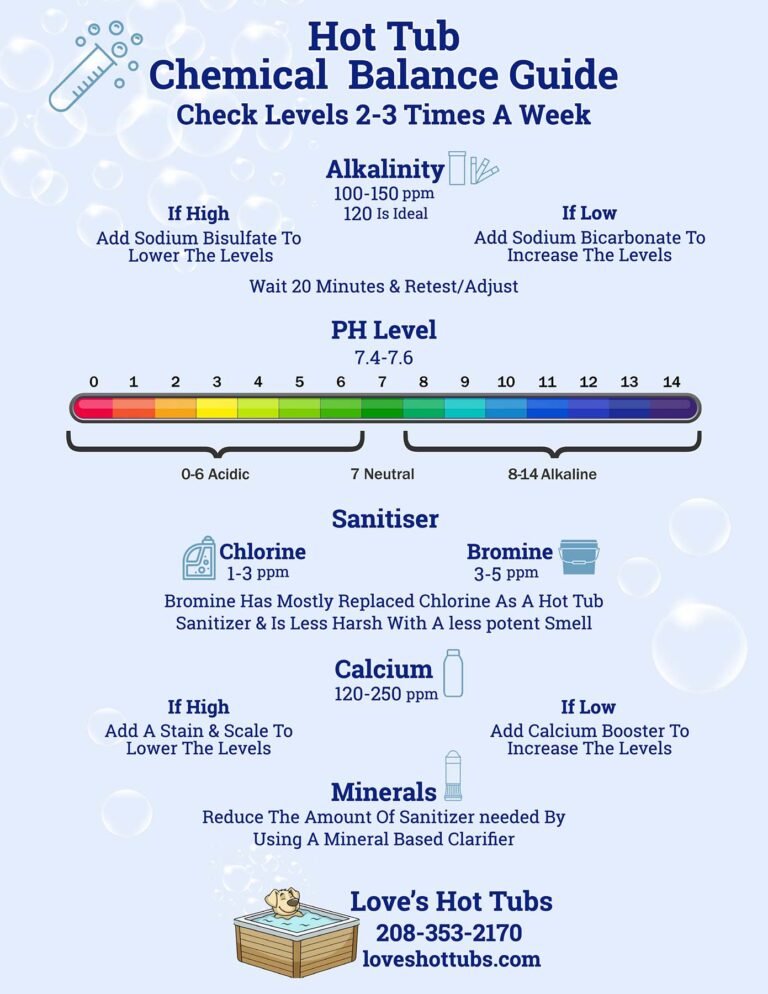
The Centers for Disease Control and Prevention recommends maintaining hot tub water at at least 3 parts per million (ppm) chlorine or 4 to 8 ppm bromine, with a pH of 7.2 to 7.8. Always compare those general public-health values with the instructions for your specific product and spa.
A high sanitizer level is not automatically better. Too much sanitizer can damage surfaces and equipment and may irritate bathers.
Correct Hot Tub Water Balance Before Adding Sanitizer
Sanitizer works best when the water is balanced. Check alkalinity and pH before making large sanitizer changes.
pH
For many residential hot tubs, the target pH range is about 7.2 to 7.8. Water below this range can become corrosive and irritating. Water above this range can reduce sanitizer performance and promote scale.
Total alkalinity
Total alkalinity helps resist sudden pH changes. The correct target depends on the spa manual and the chemical system. Many products use a range near 80 to 120 ppm, but the label should control.
Water temperature
Hot water speeds up chemical reactions. It also increases vapor release and can make strong chemical odors more noticeable. This is why adding a chemical to a hot tub requires more care than adding it to a cool container of water.
Water volume
Never guess the dose from the spa’s outside dimensions. Use the actual water capacity from the owner’s manual when possible. Overdosing a small spa is easy because a few extra ounces can produce a large concentration change.

Common Mistakes to Avoid
Adding shock after every water problem
Shock can help oxidize contaminants, but it does not replace routine testing. Adding more shock to cloudy or smelly water without checking pH, sanitizer, filtration, and water age can make the problem worse.
Mixing chemicals in a bucket
Some labels say to dissolve a product in water first. If so, add the chemical to clean water exactly as directed. Never add water to a container of dry chemical, and never use the same bucket for different products without thorough cleaning.
Using pool chemicals without checking the label
A product made for a swimming pool may not be approved or suitable for a hot tub. Check the EPA registration label, active ingredient, dosage, and use site.
Using the wrong test strip
A chlorine strip may not measure bromine correctly, and some strips use different scales. Use a test designed for the sanitizer in your spa.
Relying on smell
A strong “chlorine” smell often points to irritating chloramines or poor water balance, but smell alone cannot show the sanitizer level. Bromine also has its own odor. Test the water instead.
Leaving tablets in the spa after changing systems
Remove old tablets and cartridges before adding a new sanitizer. Chemical residue in a feeder, floater, or dispenser can react with the new product.

When Should You Drain the Hot Tub?
Drain the spa when the sanitizer system is unclear or the water cannot be brought into range with normal treatment.
A drain is especially sensible after:
- Direct contact between concentrated chlorine and bromine
- An unknown chemical overdose
- A switch from bromine to chlorine
- A switch from chlorine to bromine
- Persistent foam, odor, or cloudiness
- A very high total dissolved solids reading
- Repeated test results that do not make sense
- Long periods without proper maintenance
After draining, flush or clean the plumbing only with a product approved for that use. Some plumbing cleaners can damage seals or create residue if they are not fully rinsed.
Dispose of spa water according to local rules. Do not discharge chemically treated water into a storm drain, stream, pond, or location where it can harm plants, pets, or wildlife.

Key Takeaways
- Do not mix bromine and chlorine products directly.
- Chlorine can activate bromide and create more active bromine.
- A chlorine addition does not reliably convert a bromine spa into a chlorine spa.
- If you want to change sanitizer systems, drain, clean, refill, and rebalance the hot tub.
- Keep people out of the water after an accidental chemical mix.
- Ventilate the area, check the labels, and never add another chemical to correct a mistake.
- Call 911 for serious exposure symptoms and Poison Control at 1-800-222-1222 for possible poisoning in the United States.
FAQs
Can I use chlorine shock in a bromine hot tub?
Some bromine systems are designed to use a chlorine-based oxidizer to activate bromine. Only do this when the product label and spa instructions specifically allow it. Do not assume that every chlorine shock product is compatible with every bromine system.
Can I use bromine tablets after using chlorine?
Not without checking the system. Chlorine-treated water may still contain compounds that affect bromine readings, and bromide may not yet be present. A drain and refill is the clearest way to start a bromine system.
How long should I wait after adding chlorine or bromine?
Follow the product label. The spa should circulate with the cover open when directed, and the water must test within the safe operating range before use. Do not rely on a fixed waiting time if the sanitizer level is still high.
Why does my hot tub smell strongly after I add sanitizer?
A strong odor can result from high sanitizer levels, contaminants, poor water balance, inadequate circulation, or combined chlorine compounds. Test the water and avoid adding more chemicals until you know the cause.
Is bromine safer than chlorine for a hot tub?
Neither is automatically safer. Both can sanitize hot tub water when used correctly, and both can irritate skin, eyes, and lungs when misused. The safer choice is the system you can measure and maintain according to its label.
Conclusion
Do not deliberately mix bromine and chlorine in a hot tub. While chlorine can react with bromide and form active bromine, that reaction does not provide a safe or controlled way to change sanitizer systems.
If you made an accidental addition, stop using the spa, ventilate the area, avoid adding more chemicals, and test only when the water is stable. When the chemical history is uncertain, draining and refilling the hot tub is usually the clearest and safest reset.