Aquadoc Chlorine Granules Review: Is It Worth It?
AquaDoc Chlorine Granules are a practical choice for spa owners who want a quick-dissolving dichlor sanitizer.
You lift your hot tub cover for a quiet soak, then find cloudy water instead. It is a letdown, and it can point to a care routine that needs work. AquaDoc Chlorine Granules aim to make one key task easier: adding chlorine to your spa. But clear water takes more than a scoop of sanitizer. This review looks at the formula, ease of use, and trade-offs so you can judge whether this 2-pound option fits your hot tub care plan.

Is AquaDoc Chlorine Granules Good?
Yes—on paper, AquaDoc Chlorine Granules are a sound fit for hot tubs that allow dichlor sanitizer. The supplied listing describes a quick-dissolving formula made in the USA. That makes it worth a look if you want a granular chlorine product rather than a tablet-based system. Your spa manual and the product label should guide the final choice.
My verdict is based on the supplied product details and established spa-care principles, not hands-on testing. I would not claim a faster dissolve time or cleaner water without a controlled test. What I like is the scope: this is a sanitizer, not a promise to fix every water issue.
For a routine after-soak check, I would test the water first and add only the label-directed dose. For cloudy water after guests leave, I would also check pH, filter condition, and circulation. Those two common cases show why the product can help, but cannot replace a full care routine.

My First Impression for AquaDoc Chlorine Granules
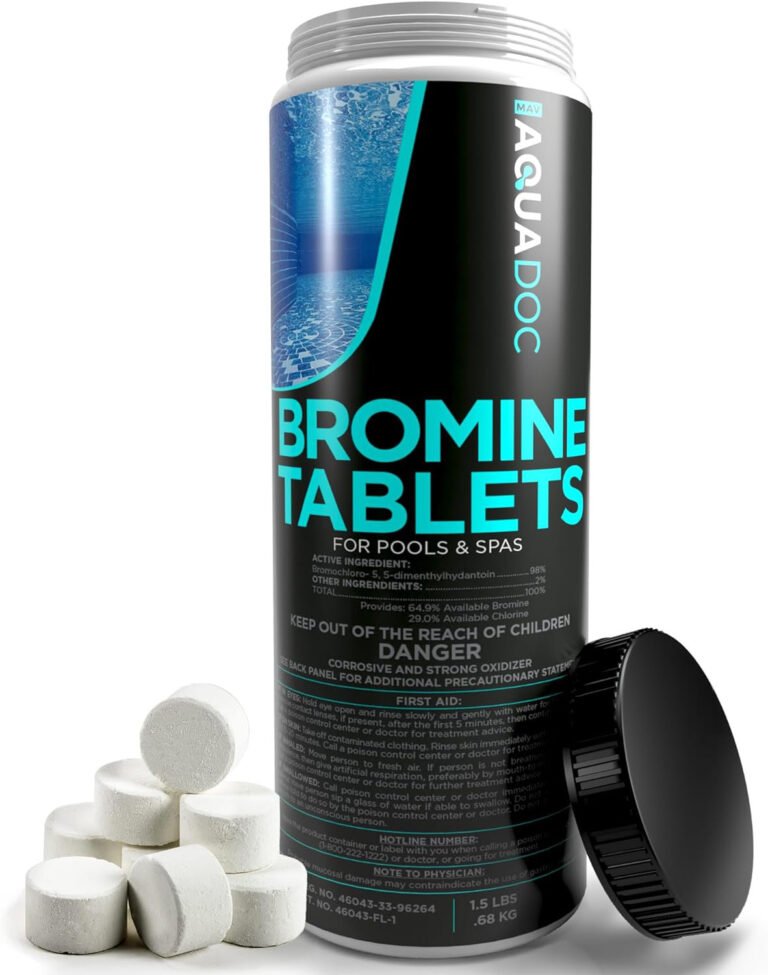
The supplied listing presents a 2-pound granular spa sanitizer with a clear focus on hot tub use. That is a useful starting point when many chlorine products serve different purposes. I have not received or opened this container, so I cannot judge its seal, lid strength, or condition on arrival.
My first physical checks would be simple: look for damage, confirm the label is legible, and follow its storage directions. I would use only a clean, dry measuring tool intended for that chemical. The pack size seems practical for home spa care, though its lifespan will depend on water volume and use.
For first use, I would confirm the spa permits dichlor, test the water, and follow the label. The quick-dissolving claim is appealing, but I cannot confirm its speed. My reaction is cautious optimism: simple dosing is welcome, but water tests—not looks or smell—must show whether the routine works.

What Makes It Stand Out / Key Features
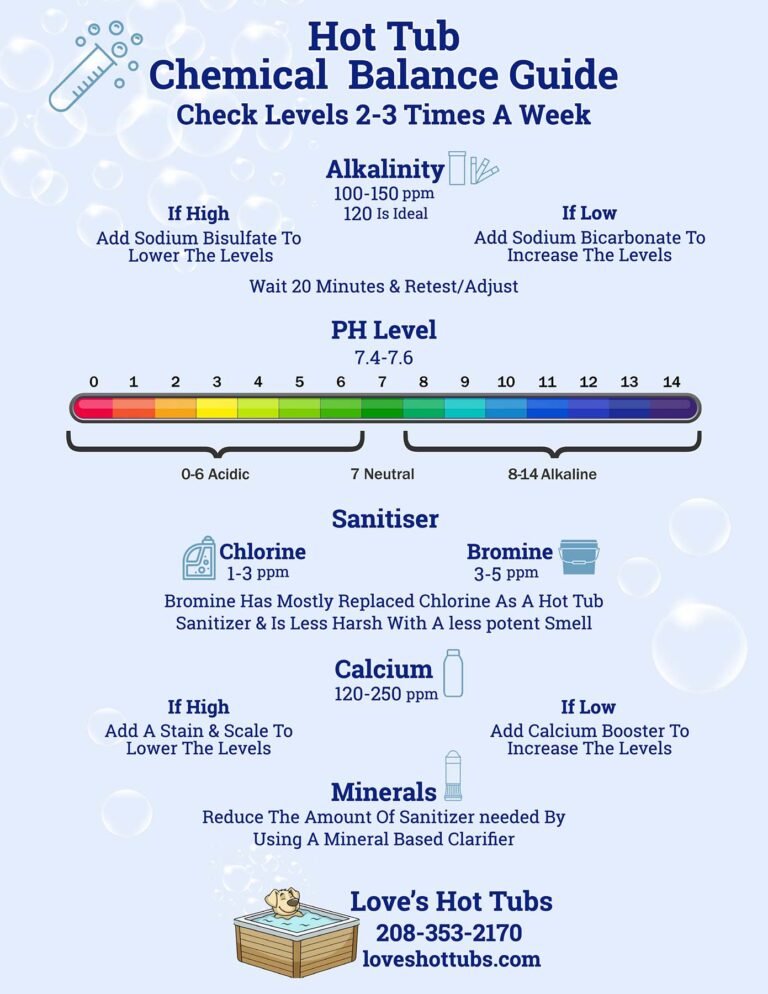
- Dichlor formula: A stabilized chlorine type used in spa care, where permitted by the equipment maker.
- Quick-dissolving design: The listing describes granules designed to dissolve quickly; actual results depend on water conditions and correct use.
- Granular format: Lets you measure a dose based on the label, spa size, and water test results.
- 2-pound package: A compact option for home hot tub chemical storage.
- Made in the USA: An origin claim stated in the supplied listing.
- Sanitizing role: Supports clean spa water as part of a routine that also includes balanced water and filter care.

What I Like
These are the practical strengths I see in the listed design, rather than results from personal use.
- A clear purpose: It focuses on spa sanitation instead of claiming to solve all water problems.
- Test-led dosing: Granules suit owners who prefer to measure each dose as needed.
- No tablet feeder needed: This format does not depend on a floating tablet dispenser.
- Manageable pack size: The 2-pound option may suit buyers who do not want a large bulk container.
- Potential for a simple routine: A quick-dissolving formula can fit regular checks without adding complex gear.

What Could Be Better
- Dichlor adds stabilizer: Repeated use adds cyanuric acid, which can reduce chlorine’s effectiveness as it builds up. Follow your spa maker’s guidance on water care and replacement.
- It is not hands-off: You still need reliable tests, measured doses, balanced water, and clean filters.
- Value is not yet proven: Without a verified current price and complete label details, I cannot call it cheaper or stronger than its rivals.

My Recommendation
I would shortlist AquaDoc Chlorine Granules for owners whose hot tubs allow dichlor and who are willing to test the water often. The main appeal is straightforward: a granular sanitizer in a manageable pack. It is less suited to someone who wants a fully automated system or whose spa instructions call for another approach.
| Best for | Why |
|---|---|
| Owners of dichlor-compatible spas | The listed formula fits that type of chlorine care plan. |
| People who prefer manual dosing | Granules let you measure each label-directed dose. |
| Buyers seeking a smaller pack | The 2-pound size avoids a large bulk purchase. |
| Shoppers who prioritize US-made products | The supplied listing states it is made in the USA. |
For value, compare the current price, net weight, and labeled available chlorine with similar products. A low tub price does not always mean a low cost per treatment. Check the Amazon listing for current availability and label information before you buy.

Alternative Products You Can Consider
Leisure Time Spa 56 Chlorinating Granules are worth comparing if you already use Leisure Time spa-care products. Like AquaDoc, this is a granular dichlor option for compatible spas. It may suit buyers who prefer to keep their routine within one brand. Compare the current labels and cost per treatment rather than assuming one will work better.
SpaGuard Chlorinating Concentrate is another granular dichlor product to consider. It may appeal to owners who buy SpaGuard products from a local spa dealer and value that source of guidance. It serves the same broad sanitizing role as AquaDoc, rather than offering a wholly different care method. Follow its own directions; do not assume the dose matches another brand.
| Product | Best For | Key Difference |
|---|---|---|
| AquaDoc Chlorine Granules | Buyers seeking a 2-pound, US-made option | The supplied listing emphasizes quick dissolving and US manufacture. |
| Leisure Time Spa 56 Chlorinating Granules | Owners using Leisure Time spa-care products | Fits an existing Leisure Time purchasing routine. |
| SpaGuard Chlorinating Concentrate | Owners who prefer SpaGuard or dealer guidance | May fit an established dealer-supported care plan. |

Final Verdict: Which Should You Buy?
Choose AquaDoc Chlorine Granules if your spa permits dichlor and you want a straightforward 2-pound sanitizer. Its listed strengths are the quick-dissolving formula, granular dosing, and US manufacture. I would check the full label and current price before choosing it over another dichlor product.
Choose Leisure Time Spa 56 if it fits your current brand routine. Consider SpaGuard Chlorinating Concentrate if you prefer SpaGuard products or support from your dealer. None is a substitute for good testing: sanitizer is one tool in the kit, not the whole kit.
FAQs Of aquadoc chlorine granules review
How much AquaDoc chlorine should I add to my hot tub?
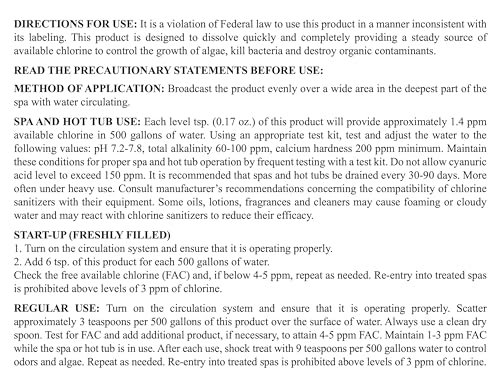
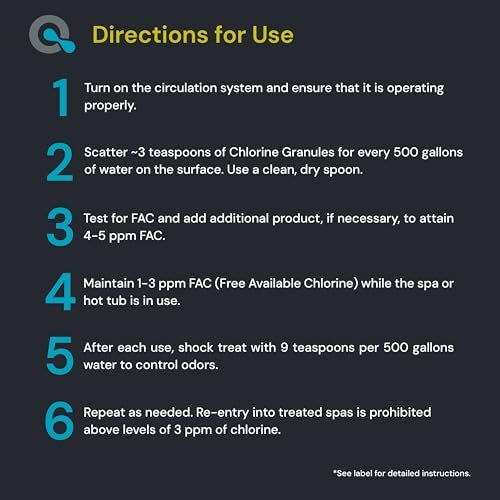
Use the dose on the current product label for your spa’s water volume and measured chlorine level. Do not guess with a kitchen spoon. Retest as directed before you use the spa.
Can AquaDoc Chlorine Granules fix cloudy water?
They may help when low sanitizer is part of the cause. Cloudy water can also stem from poor filtration, unbalanced water, or buildup. Check those factors rather than adding more chlorine without a test.
Do these chlorine granules add cyanuric acid?
Yes. Dichlor adds cyanuric acid, also called stabilizer. Track water condition and follow your spa maker’s guidance on dichlor use and water changes.
Can I mix these granules with other spa chemicals?
Never mix concentrated spa chemicals together. Do not combine chlorine with acids, bromine products, or other chlorine types in a container. Follow each label’s directions for separate additions and storage.
How soon can I use the hot tub after adding chlorine?
Follow the product label’s waiting and circulation directions. Test the water and confirm that chlorine and pH are within the required ranges before entering. Clear water alone does not prove it is safe.