How Much Chlorine To Add To A Hot Tub: Easy Guide
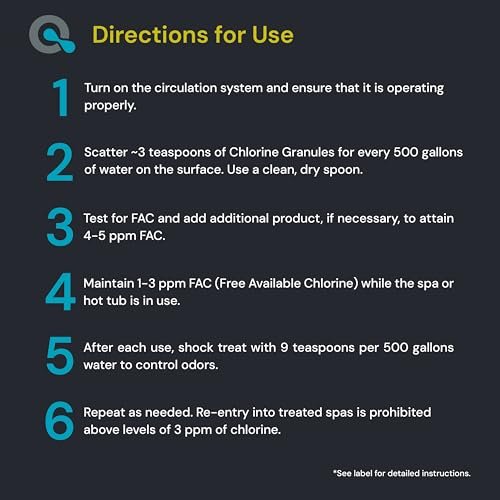
For most hot tubs in the United States, keep free chlorine between 3 and 5 parts per million (ppm). The exact amount to add depends on the tub’s water volume, the current chlorine reading, and the strength of the chlorine product.
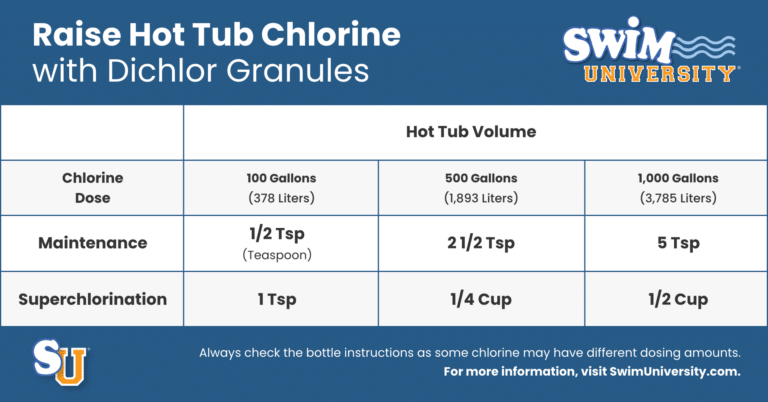
As a rough example, a typical 400-gallon hot tub may need about 5 to 6 grams of 56% dichlor granules to raise chlorine by 2 ppm. This is only an estimate. Always check the product label, because chlorine strength and dosing instructions vary.
Test the water before adding chemicals. Add chlorine with no one in the tub, run the circulation system, and test again before use.
The Short Answer: How Much Chlorine Does a Hot Tub Need?
A hot tub should usually have:
- Free chlorine: 3–5 ppm
- pH: 7.2–7.8
- No bathers in the water while chemicals are being added
The Centers for Disease Control and Prevention recommends at least 3 ppm chlorine in hot tubs and spas. Its hot tub and spa guidance also stresses the need to test disinfectant and pH levels regularly.
The amount of chlorine powder or liquid needed to reach that range depends on four factors:
- The hot tub’s water volume
- The current free chlorine level
- The target chlorine level
- The product’s available chlorine percentage
A small portable spa may hold 200 gallons. A large built-in spa may hold 500 gallons or more. Using the same scoop for both can lead to too little or too much chlorine.
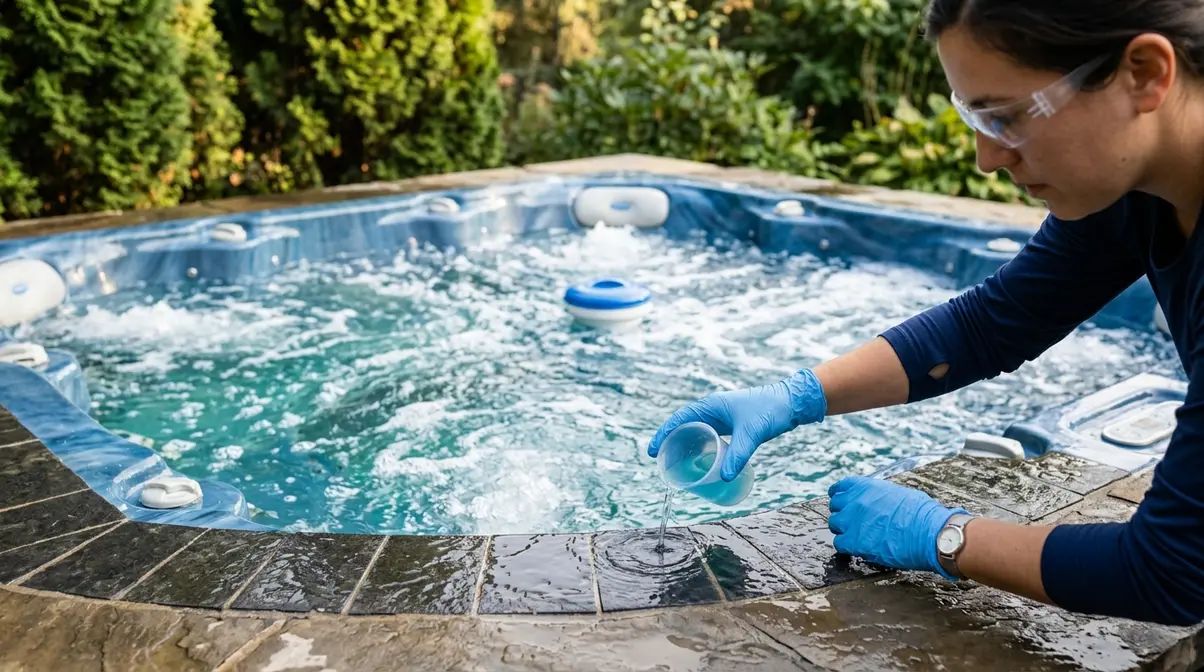
How to Calculate the Correct Chlorine Dose
Use this simple process:
- Find the hot tub’s water volume.
- Test the current free chlorine.
- Choose a target level within the recommended range.
- Calculate the required increase.
- Follow the product label for the final dose.
Step 1: Find the Water Volume
Use the manufacturer’s stated capacity when possible. The capacity may appear:
- In the owner’s manual
- On the manufacturer’s website
- On a label near the equipment panel
- In the spa app or control system
Do not rely on the outside dimensions alone. The shell, seats, filters, plumbing, and air space reduce the actual water volume.
If you do not know the volume, use this estimate for a rectangular spa:
Length × width × average water depth × 7.48 = approximate gallons
Measure each dimension in feet. For a round spa, use:
3.14 × radius × radius × average water depth × 7.48 = approximate gallons
These formulas provide an estimate, not an exact fill volume.
Step 2: Test the Current Free Chlorine
Use a fresh test kit or test strips made for hot tubs. Free chlorine is the active sanitizer available to kill germs. Total chlorine includes both free chlorine and combined chlorine.
Test before adding more chlorine. If the water already has 5 ppm, adding more may push the level too high.
Step 3: Choose the Target Level
A practical target is often 4 ppm, provided the product label and spa manufacturer allow it.
For example:
- Current free chlorine: 1 ppm
- Desired free chlorine: 4 ppm
- Required increase: 3 ppm
Do not automatically aim for the highest possible reading. More chlorine is not always better. Excess chlorine can irritate skin and eyes, damage some spa parts, and create a strong chemical odor.
Step 4: Apply the Product’s Strength
The chlorine percentage matters. Common hot tub products include:
- Sodium dichlor granules, often around 55%–62% available chlorine
- Calcium hypochlorite, a strong pool chlorine that may not be suitable for every hot tub
- Liquid sodium hypochlorite, such as bleach or liquid pool chlorine
- Stabilized chlorine products, which may add cyanuric acid
Use only a product labeled for spa or hot tub use unless the manufacturer specifically permits another type.

Chlorine Dose Examples for Common Hot Tub Sizes
The table below gives a calculation example for 56% dichlor granules. It is not a replacement for the product label.
| Hot tub volume | Approximate dichlor needed to raise chlorine by 1 ppm | Approximate amount for a 2 ppm increase |
|---|---|---|
| 200 gallons | 1.35 grams | 2.7 grams |
| 300 gallons | 2.0 grams | 4.0 grams |
| 400 gallons | 2.7 grams | 5.4 grams |
| 500 gallons | 3.4 grams | 6.8 grams |
| 600 gallons | 4.1 grams | 8.2 grams |
These values use the available-chlorine calculation:
Required product in grams = gallons × ppm increase × 0.003785 ÷ available chlorine fraction
For a 400-gallon spa needing a 2 ppm increase with 56% dichlor:
400 × 2 × 0.003785 ÷ 0.56 = about 5.4 grams
Why Teaspoons Are Only an Estimate
Many instructions use teaspoons, but granules differ in density and particle size. One level teaspoon may not weigh the same across brands.
A kitchen teaspoon can also introduce contamination and may not measure accurately. A small digital scale gives a more reliable dose. If you use a scoop, use the scoop supplied with the product and follow its label.
Example: Raising Chlorine After Heavy Use
Suppose a 400-gallon hot tub tests at 1 ppm after several people use it. You want to return to 4 ppm.
- Current level: 1 ppm
- Target level: 4 ppm
- Increase needed: 3 ppm
- Estimated 56% dichlor dose: about 8.1 grams
Add the product according to its label. Circulate the water, wait the stated time, and test again. Do not enter until the chlorine and pH are within the safe range.

How Much Chlorine to Add After Each Use
There is no single after-use dose that works for every hot tub. Bather load, water temperature, shower habits, and soak time all affect chlorine demand.
A better method is to test after use and add enough sanitizer to return the water to the target range. Many owners add a small dose after each soak, but the correct amount must come from testing and the product label.
As a starting process:
- Remove everyone from the hot tub.
- Leave the cover open if the manufacturer allows it.
- Test free chlorine and pH.
- Add the label-directed amount of chlorine.
- Run the jets or circulation pump.
- Retest before the next use.
A hot tub used by several people for a long session may need more chlorine than a spa used briefly by one person. Body oils, sweat, lotions, cosmetics, and dirt consume sanitizer.
Showering before entering the spa reduces this load. It does not remove the need for chlorine.

How Much Chlorine to Add When the Level Is Zero
If a hot tub tests at 0 ppm free chlorine, do not use it until the water has been treated and retested.
First, check for simple causes:
- The chlorine feeder is empty.
- The product was added but the pump did not circulate the water.
- The test strip is expired or wet.
- The water contains a high level of contaminants.
- Sunlight or an open cover degraded the chlorine.
- The sanitizer was consumed by heavy use.
Add the label-directed dose for the spa’s volume. If the water is cloudy, smells bad, or has a high combined-chlorine reading, the tub may need a shock treatment rather than a normal maintenance dose.
A shock dose is product-specific. Never guess by adding several large scoops. Read the label for:
- The correct product
- The dose per gallon
- The required circulation time
- The required wait time
- Whether the cover should remain open
If chlorine repeatedly falls to zero within a short time, drain and clean the spa, clean or replace the filter as directed, and refill with fresh water. Persistent chlorine loss can also point to poor circulation or contamination.

How Much Chlorine to Add for a Shock Treatment
A hot tub shock treatment raises sanitizer levels for a short period to deal with organic waste and combined chlorine. It is not the same as the small dose used for routine maintenance.
Use the shock product’s label. Different products may contain:
- Dichlor
- Non-chlorine oxidizer
- Calcium hypochlorite
- Other active ingredients
A non-chlorine shock can oxidize some contaminants, but it does not provide the same chlorine residual as a chlorine sanitizer. Some products require chlorine to be present before they work as intended.
Shock the water when:
- The water has a strong chemical odor
- Combined chlorine is high
- The water becomes dull or cloudy
- The spa has had unusually heavy use
- The manufacturer recommends a periodic treatment
Do not enter the hot tub after shocking it until the sanitizer returns to the range stated on the product label.

How Product Type Changes the Chlorine Dose
Different chlorine products have different strengths and side effects. The product label is the controlling source for dose and use.
Dichlor Granules
Dichlor is a common spa chlorine. It dissolves quickly and is often labeled for hot tubs.
Possible benefits include:
- Fast dissolving
- Easy measurement
- Suitable for many portable spas
- Available in products designed for spa use
Repeated use can add cyanuric acid to the water. Cyanuric acid can protect chlorine from sunlight, but high levels can reduce chlorine’s effectiveness. Test it when the product label or spa-care plan calls for it.
Liquid Chlorine or Bleach
Liquid chlorine may be used in some systems, but only when the product and spa manufacturer allow it. Strength varies by product, and household bleach may contain additives that are not appropriate for a hot tub.
Never estimate a liquid dose from the bottle’s front label alone. Check:
- Sodium hypochlorite concentration
- Product additives
- Expiration or storage condition
- Spa manufacturer instructions
- Required dosing instructions
Liquid chlorine also loses strength over time, especially when stored in heat or sunlight.
Calcium Hypochlorite
Calcium hypochlorite can add calcium to the water. High calcium hardness may contribute to scale on heaters, jets, and other components.
Some calcium hypochlorite products are not labeled for spas. Do not use them simply because they are available for swimming pools.
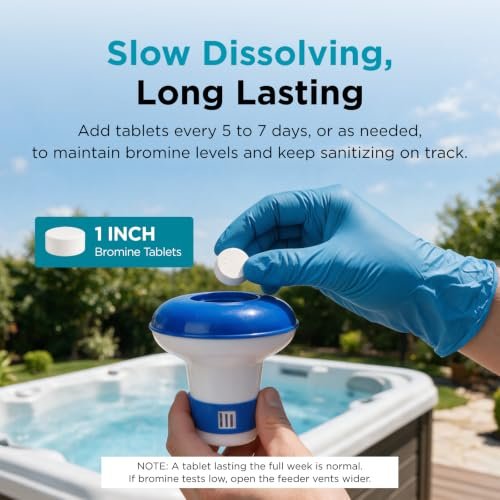
Chlorine Tablets
Many chlorine tablets are made for swimming pools and dissolve too slowly or contain stabilizers that are not suitable for hot tubs. A tablet in a floating dispenser can create a highly concentrated area of sanitizer and damage the shell or cover.
Use tablets only if the spa manufacturer and product label specifically approve them.

What to Do if You Add Too Much Chlorine
If free chlorine is above the recommended range, remove the cover if permitted and allow the spa to circulate. Do not add more chemicals to correct the problem unless the product instructions specifically say to do so.
Then:
- Keep people out of the water.
- Test with a reliable kit.
- Run circulation according to the owner’s manual.
- Let the chlorine fall naturally.
- Retest before entering.
Do not use the hot tub until the chlorine is back within the product’s safe-use range. High chlorine can irritate the eyes, skin, and lungs.
Do not pour random chemicals into the spa to “neutralize” chlorine. A chlorine neutralizer may be appropriate in some situations, but it must be labeled for that use and dosed carefully.

How pH Affects Chlorine in a Hot Tub
Keep pH in the range recommended by the spa manufacturer and sanitizer label. A commonly used range is 7.2 to 7.8.
When pH is too high, chlorine becomes less effective as a sanitizer. When pH is too low, the water may become corrosive and irritate skin and eyes.
Test and adjust pH before making repeated chlorine additions. If pH keeps rising, possible causes include:
- Aeration from jets
- High alkalinity
- Frequent use
- Fresh water chemistry
- Incorrect chemical dosing
Adjust alkalinity when needed, then retest pH. Add one chemical at a time. Allow the water to circulate before making another adjustment.

Hot Tub Chlorine Safety Rules
Follow these rules every time you handle spa chemicals:
- Read the full product label before use.
- Wear the protective equipment listed on the label.
- Keep chemicals away from children and pets.
- Store products in a cool, dry, ventilated place.
- Keep different chemicals in their original containers.
- Never mix chlorine with acid, ammonia, or other cleaners.
- Never mix dry chlorine products together.
- Never add water to dry chemical.
- Add chemicals to water as directed by the label.
- Do not add chlorine while anyone is in the hot tub.
- Keep the cover open or closed as directed by the product label.
- Use a clean, dry scoop for each chemical.
- Do not use a wet scoop in a dry chlorine container.
Mixing chlorine with acid can release toxic gas. If chemicals spill or fumes form, leave the area and contact local emergency services or poison control for guidance.
Common Chlorine-Dosing Mistakes
Adding Chlorine Without Testing
A fixed weekly dose may leave the water under-sanitized or create an excessive chlorine level. Test first, then dose based on the result.
Confusing Free Chlorine With Total Chlorine
Free chlorine is the useful sanitizer. Total chlorine includes free chlorine plus combined chlorine. If a test kit reports both, use the free-chlorine reading for routine dosing.
Using Pool Products Without Checking the Label
A product made for pools may have a different concentration, dissolution rate, or chemical effect. Use spa-labeled products unless the manufacturer says otherwise.
Measuring by Guesswork
A “capful” is not a consistent unit. Use grams, milliliters, or the product’s measured scoop.
Adding Multiple Chemicals at Once
Adding chlorine, pH increaser, alkalinity increaser, and shock together makes it harder to control the reaction. Add one product at a time and allow circulation between adjustments.
Closing the Cover Too Soon
Some products require the cover to remain open during circulation. Follow the label. Trapped fumes can damage the cover and irritate anyone who opens it.
Entering Before Retesting
The water may look clear but still have an unsafe chemical level. Test before each use, especially after adding chlorine or shock.
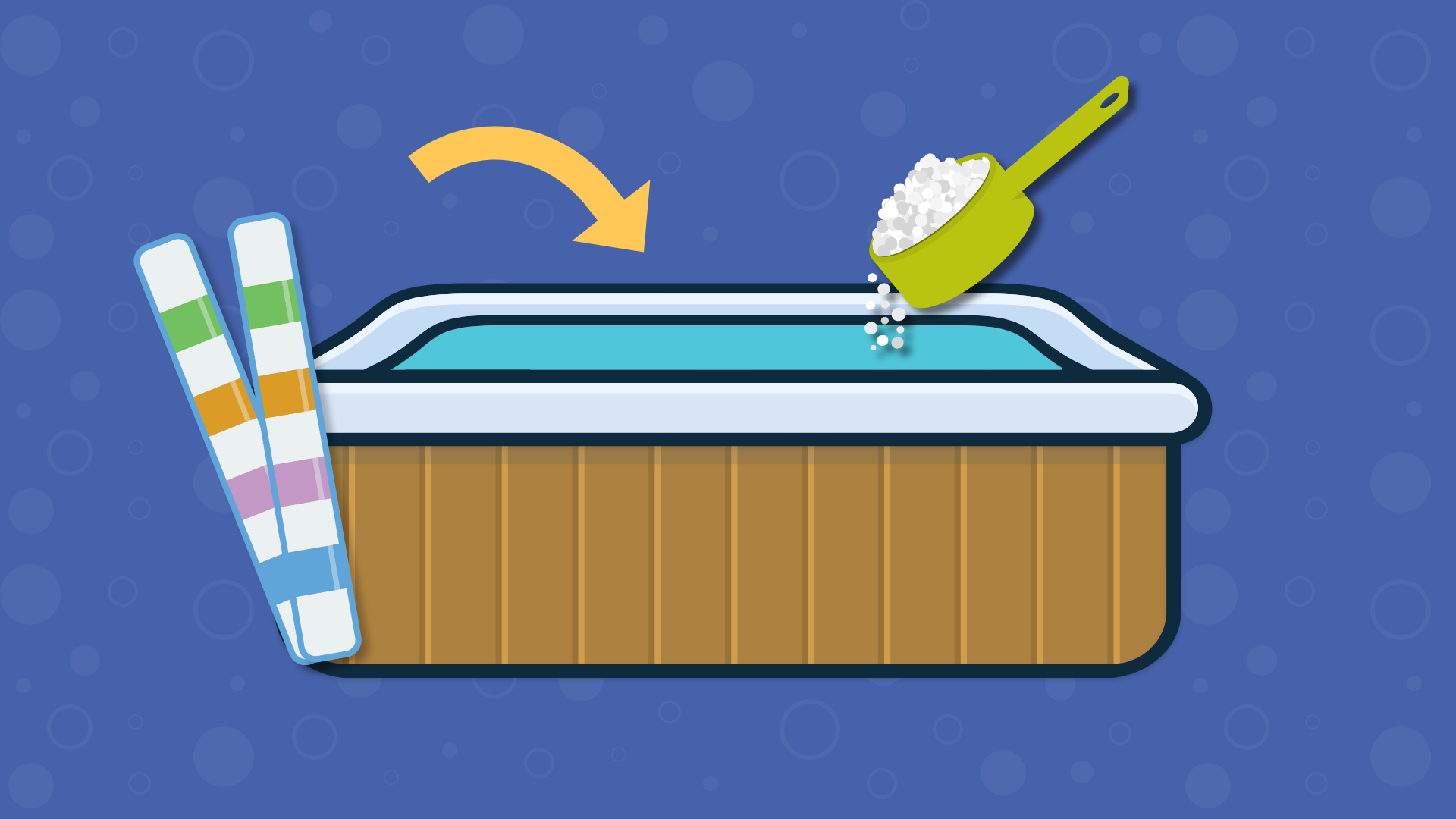
When Chlorine Will Not Stay in the Hot Tub
If chlorine disappears soon after dosing, check the following in order:
- Test accuracy: Check the expiration date and repeat the test with a fresh kit.
- Water volume: Confirm that the spa capacity is correct.
- Bather load: Heavy use can consume chlorine quickly.
- Filter condition: Clean the filter as directed.
- Circulation: Confirm that pumps and jets operate correctly.
- Water age: Old water may contain a high contaminant load.
- Cyanuric acid: High levels can affect chlorine performance.
- Biofilm or contamination: Persistent demand may require draining and cleaning.
- Chemical storage: Old chlorine may have lost strength.
If the problem continues after a drain and refill, contact the spa manufacturer or a qualified pool-and-spa service professional. A circulation fault, hidden leak, heater issue, or contaminated plumbing may need inspection.

A Simple Hot Tub Chlorine Routine
Use this routine for regular care:
Before Each Use
- Test free chlorine.
- Test pH.
- Confirm that the water is clear.
- Do not enter if sanitizer or pH is outside the safe range.
After Each Use
- Remove bathers.
- Test the water.
- Add chlorine based on the test result and label.
- Circulate the water.
Weekly
- Test alkalinity if needed.
- Inspect and clean the filter.
- Check the cover and water line.
- Look for scale, foam, cloudiness, or unusual odors.
At Water Changes
- Drain the spa according to the manufacturer’s instructions.
- Clean the shell and plumbing with a product labeled for hot tubs.
- Clean or replace the filter.
- Refill with fresh water.
- Balance alkalinity and pH.
- Add sanitizer only after the water chemistry is ready.
A written log can help. Record the date, water test results, product, amount added, and any unusual event such as a party or long soak.

Frequently Asked Questions
Can I use bleach instead of hot tub chlorine?
Only if the product is suitable, free of unwanted additives, and approved by the hot tub manufacturer or sanitizer label. Bleach strength varies, so do not substitute it by volume for dichlor. Use the product’s stated concentration and dosing instructions.
How long should I wait after adding chlorine to a hot tub?
Wait until the product label’s required circulation and contact time have passed, then test the water. Do not enter until free chlorine and pH are within the stated safe range. The wait may vary by product and dose.
Can I add chlorine while someone is in the hot tub?
No. Remove all bathers before adding chlorine or any other chemical. Circulate the water and retest before use.
Why does my hot tub smell strongly of chlorine?
A strong smell may indicate combined chlorine, not simply “too much clean chlorine.” Test free and total chlorine if your kit allows it. The spa may need improved water balance, fresh water, better filtration, or a label-directed shock treatment.
Is 1 ppm chlorine enough for a hot tub?
Usually not. CDC guidance calls for at least 3 ppm chlorine in hot tubs. Follow the sanitizer label and local requirements, but do not use the spa when chlorine is below the required minimum.
Conclusion
Most U.S. hot tubs should maintain 3–5 ppm free chlorine, but the correct dose depends on water volume, current chlorine, product strength, and recent use.
The safest method is simple: test first, calculate the needed increase, follow the label, circulate the water, and test again before anyone enters. If chlorine will not hold, the problem may be old water, a dirty filter, high contaminant load, poor circulation, or incorrect testing rather than a need for more chlorine.