How To Lower Chlorine In Hot Tub Naturally: Easy Tips
Introduction
To lower chlorine in a hot tub naturally, stop adding chlorine, remove the cover, keep people and pets out, and run the circulation system with the jets on. Fresh air, heat, water movement, and sunlight help chlorine leave the water. Test the water again after several hours.
Do not use the hot tub until the chlorine level reaches the range on your product label or local health guidance. In the United States, the CDC recommends at least 3 parts per million (ppm) of chlorine in a hot tub, with a pH of 7.2 to 7.8. A home spa may need a longer wait if the chlorine level is very high.

What “natural” chlorine reduction means
Natural chlorine reduction means allowing chlorine to break down or leave the water without adding a chemical neutralizer. The main natural tools are:
- Time
- Fresh air
- Sunlight
- Heat
- Water movement
- Dilution with fresh water
Chlorine is not permanent. It reacts with organic matter, such as sweat and body oils, and some chlorine changes into gases that leave exposed water. Ultraviolet light from the sun also breaks down free chlorine.
However, natural reduction is not instant. The speed depends on the starting chlorine level, water temperature, sunlight, tub size, water chemistry, and the amount of chlorine added.
The word “natural” also has no special safety meaning. Household products such as vinegar, lemon juice, baking soda, or hydrogen peroxide can change water chemistry in unsafe or hard-to-control ways. They are not dependable substitutes for testing and proper spa care.
How to lower chlorine in a hot tub naturally
Follow this process when the chlorine reading is above your normal operating range but the water is clear and there is no chemical emergency.
1. Stop adding chlorine
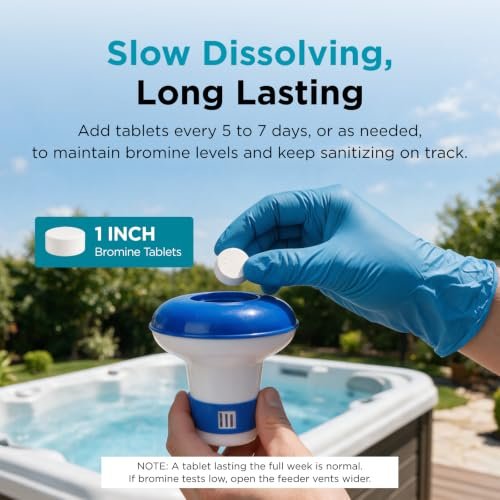
Remove chlorine tablets, sticks, floating dispensers, or automatic feeders. Turn off any chlorine dosing system.
Check whether your hot tub uses a salt chlorine generator or another automated system. Set it to “off” or reduce its output according to the owner’s manual. Otherwise, new chlorine may keep entering the water while you are trying to lower it.
2. Remove the hot tub cover
Leave the cover fully open. This allows chlorine-related gases to escape and lets sunlight reach the water.
Place the cover where it will not collect rain, dirt, or debris. Keep children and pets away from the open spa. Do not use the tub while the chlorine level is high.
If the hot tub is indoors, open doors and windows if safe. Use the room’s ventilation system. Avoid breathing directly over the water because warm spa water can release irritating vapors.
3. Run circulation and air jets
Turn on the circulation pump. If the owner’s manual allows it, run the water jets for short periods with the cover off.
Water movement exposes more water to air and helps mix the tub. Air jets may speed gas release, but they can also increase splashing and vapor. Use them only in a well-ventilated area and keep your face away from the water.
Never run the heater without enough water flow. Follow the manufacturer’s instructions for pump and jet operation.
4. Use sunlight when possible
If the hot tub is outdoors, leave it uncovered in direct sunlight. Sunlight can reduce free chlorine faster than shade.
Do not leave the spa unattended if children or animals can reach it. Strong sunlight will not make a very high chlorine reading safe within minutes. Treat sunlight as a helpful step, not a quick fix.
5. Wait, then test again
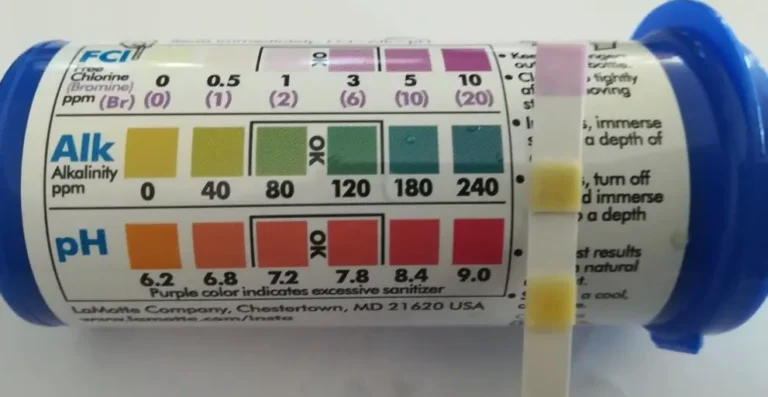
Test the water after a few hours. A reliable drop-based DPD test kit usually gives a better reading than a basic test strip, especially when chlorine is very high.
Test free chlorine and pH. If the reading remains high, continue with the cover off and the circulation system running. Retest later rather than adding another product.
Do not enter the water until chlorine is within the safe range for your product, spa manual, and local guidance.
The fastest natural method: dilution with fresh water
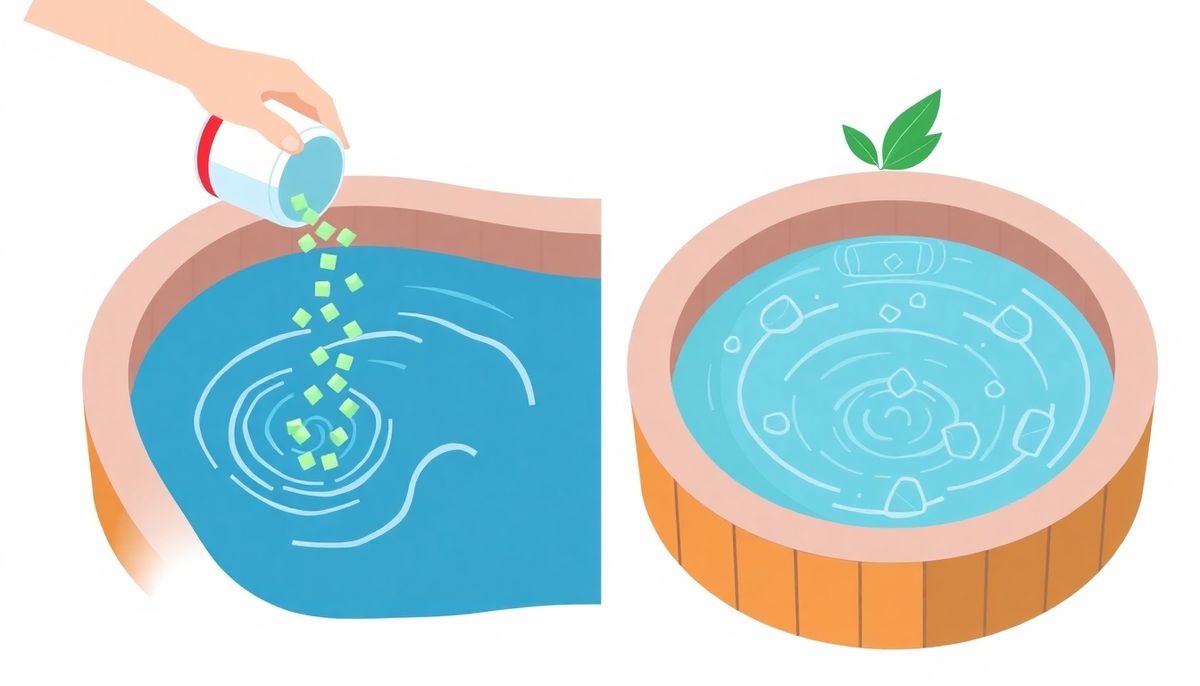
If chlorine is much higher than the target range, partial draining and refilling is usually the most predictable non-neutralizer method. It reduces chlorine by removing treated water and replacing it with untreated water.
Partial water replacement
- Turn off the heater and follow the spa manual before lowering the water level.
- Drain part of the water into an approved area.
- Refill with fresh water.
- Run the circulation system.
- Test chlorine, pH, and alkalinity.
- Repeat only if needed.
A partial drain can also remove dissolved waste that contributes to unpleasant odors and chlorine demand.
A simple dilution calculation
For a basic estimate:
New chlorine level = old chlorine level × fraction of old water left
For example, if a 400-gallon spa has a chlorine level of 20 ppm and you replace half the water:
20 ppm × 0.50 = about 10 ppm
A second 50% water change would reduce it to about 5 ppm, assuming the replacement water contains no chlorine and the water mixes well.
This is only an estimate. Municipal water may contain chlorine or chloramine. Test after refilling. A complete drain and refill may be better when the water is cloudy, has a strong odor, contains excess stabilizer, or has been poorly maintained.
When a full drain is the better choice
Drain and refill the hot tub when:
- The chlorine level is extremely high.
- The water has a strong chemical odor or causes eye or skin irritation.
- The water is cloudy or foamy.
- You cannot get a reliable test result.
- The water has been used for a long time without a water change.
- The spa was accidentally exposed to a large amount of chlorine.
Follow the owner’s manual for draining. Some spas can suffer damage if they are drained incorrectly, left empty in freezing weather, or restarted without proper water flow.

How long does it take for chlorine to go down naturally?
There is no single safe time for every hot tub. A mildly high reading may fall within several hours, while a very high reading may take a day or longer.
The rate changes with:
| Factor | Effect on chlorine reduction |
|---|---|
| Direct sunlight | Usually speeds the loss of free chlorine |
| Open cover | Allows gases to escape |
| Warm water | Can speed chemical reactions and chlorine loss |
| Running circulation | Mixes the water and increases air contact |
| High bather waste | Consumes chlorine but may create chloramines |
| Cyanuric acid | Can slow the action of free chlorine |
| Large chlorine dose | Requires more time or dilution |
| Poor ventilation | Slows gas removal and increases odor risk |
Do not judge safety by smell alone. A strong “chlorine” smell often comes from chloramines, which form when chlorine reacts with sweat and other contaminants. A strong odor can occur even when free chlorine is not unusually high.
Use a test result, not time or smell, to decide when the water is ready.
What not to use to lower chlorine
Several common suggestions can create new problems.
Do not add baking soda
Baking soda raises total alkalinity and may also raise pH. It does not remove chlorine. High alkalinity can make pH control harder and may contribute to scale.
Do not add vinegar or lemon juice
Acidic liquids can lower pH but do not provide a controlled way to reduce chlorine. They may also create a sharp chemical change and damage the water balance.
Do not use household hydrogen peroxide
Hydrogen peroxide can react with chlorine, but household products vary in strength and may contain additives. Adding an unmeasured amount can make testing difficult and create irritating byproducts.
Do not mix pool chemicals
Never mix chlorine with acids, ammonia-based cleaners, or other spa chemicals. Mixing can release dangerous gases or cause a violent reaction.
Do not boil the water
Boiling is unsafe, wastes energy, and can damage the spa. Heat may speed chlorine loss, but a hot tub should be operated only within the temperature range set by its manufacturer.
Do not use the tub to “burn off” chlorine
Bathing adds sweat, oils, and other waste. It can also expose the skin, eyes, and lungs to irritating water and vapor. Wait until testing confirms that the water is ready.

What to do if the chlorine level will not drop
A chlorine reading that stays high may have more than one cause.
Check the test method
Test strips can give poor results when they are old, damp, exposed to heat, or read outside the stated time window. Use fresh strips or a liquid DPD kit.
Rinse the test container with spa water before testing. Do not touch the test pads. Follow the kit instructions exactly.
If the chlorine level is above the test range, a strip may show only “high.” It cannot tell you whether the actual level is 10 ppm or 50 ppm. Use a test method designed for high chlorine or ask a pool and spa professional for help.
Check for a chlorine feeder
A stuck floater, damaged tablet feeder, or active salt system may continue adding chlorine. Remove the source before waiting for the level to fall.
Check for cyanuric acid
Some stabilized chlorine products contain cyanuric acid. Cyanuric acid helps protect chlorine from sunlight, but high levels can slow chlorine activity and change how the water should be managed.
Check the product label and test cyanuric acid if stabilized chlorine has been used often. A water change may be needed if the level is too high for your spa system.
Check pH and alkalinity
A high or low pH can affect chlorine performance and test results. Keep pH within the range recommended by the CDC, the spa manufacturer, and the chemical label.
Do not try to correct every parameter at once. First lower the chlorine to a measurable range. Then adjust pH and alkalinity with products made for spas.
Drain and refill when testing remains unclear
If the water remains irritating, the test results conflict, or a large amount of chlorine was added by mistake, stop using the spa and replace the water. Contact a qualified pool and spa service professional if you are unsure how to make the spa safe.

How to prevent high chlorine in the future
Prevention is easier than waiting for chlorine to fall.
- Use a measuring scoop made for the product.
- Read the label for the exact water volume.
- Never estimate a dose by eye.
- Test before adding more chlorine.
- Remove floating dispensers when the level is already high.
- Keep the cover closed when the spa is not in use, but only after chemical levels are in range.
- Rinse swimsuits before use.
- Ask bathers to shower first.
- Clean the filter on the schedule in the spa manual.
- Replace spa water at the interval recommended by the manufacturer.
- Record chlorine and pH readings after each treatment.
A common mistake is adding more chlorine because the water smells strong. Odor alone does not prove that free chlorine is too low. Test the water first.
Another mistake is shocking the spa repeatedly without checking the cause of cloudy water or odor. Poor filtration, high bather waste, incorrect pH, and old water may all contribute to the problem.

Key takeaways
- Stop all chlorine dosing first.
- Open the cover and provide good ventilation.
- Run circulation and, when safe, use the jets briefly.
- Use direct sunlight outdoors to help break down free chlorine.
- Test again instead of relying on smell or waiting time.
- Use partial draining and fresh water when the level is very high.
- Do not add vinegar, baking soda, lemon juice, or unmeasured household chemicals.
- Keep people and pets out until the water tests within the correct range.
Frequently asked questions
Can sunlight lower chlorine in a hot tub?
Yes. Direct sunlight can break down free chlorine, especially when the cover is off. The process is slower when the water contains cyanuric acid, and sunlight does not replace testing.
Does running the jets lower chlorine faster?
Running the jets increases water movement and air contact, which can help chlorine leave the water. Use the jets only with the cover off, good ventilation, and no one in the spa.
Does adding fresh water lower chlorine?
Yes. Fresh water dilutes the chlorine already in the spa. A partial drain and refill is more predictable than waiting when the chlorine level is very high.
How long should I wait before using the hot tub?
Wait until testing shows that free chlorine is within the range recommended by the product label, spa manual, and applicable U.S. health guidance. Do not use a fixed time as a substitute for a water test.
Can I use hydrogen peroxide to remove chlorine?
Hydrogen peroxide can react with chlorine, but household products are not a controlled spa treatment. They may make the water balance and test results harder to manage. Use ventilation, time, or water replacement instead, unless a qualified spa professional directs you to use a measured treatment.
What should I do if chlorine makes my eyes or skin burn?
Leave the water, rinse your skin and eyes with clean water, and do not reuse the spa until the water is tested and corrected. Seek medical care for persistent pain, breathing trouble, vision changes, or severe irritation.
Conclusion
The safest natural way to lower chlorine in a hot tub is to stop adding chlorine, open the cover, ventilate the area, run circulation, and let time, air, and sunlight work. If the level is very high, replace part or all of the water.
Test chlorine and pH before anyone gets back in. When the reading will not fall, the water causes irritation, or the test is unclear, stop using the spa and contact a qualified pool and spa professional.