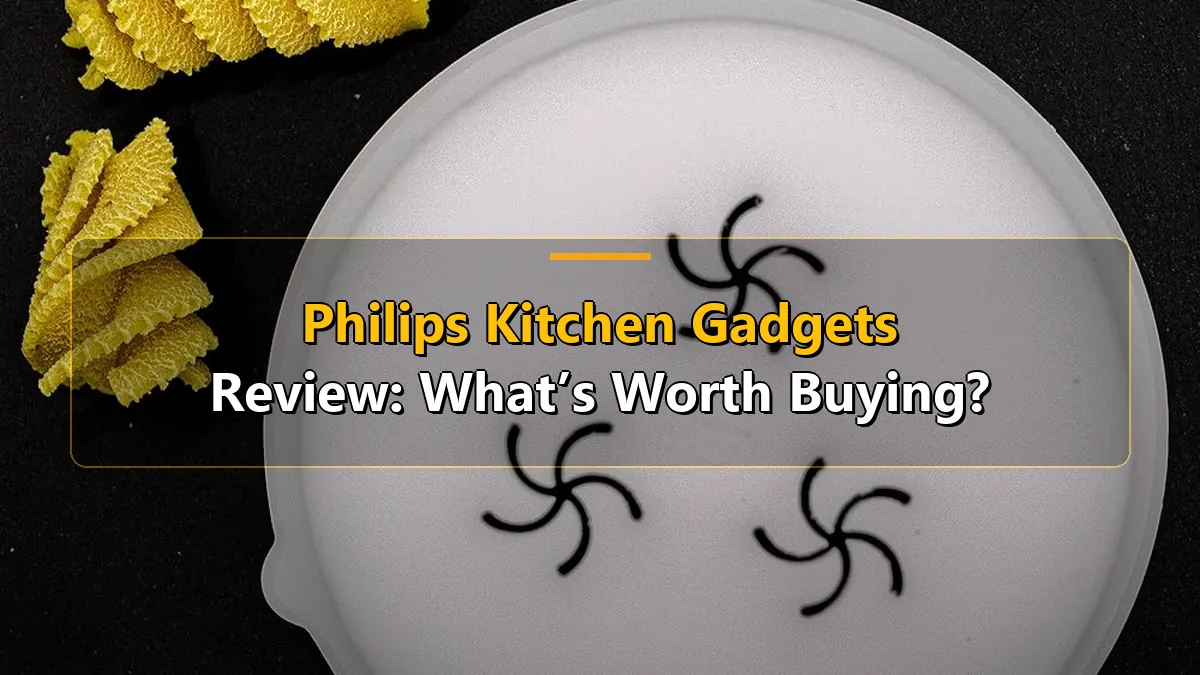
Philips Kitchen Gadgets Review: What’s Worth Buying?
Shopping Philips sounds easy until you actually try to compare the lineup. One listing shows a familiar air fryer, another shows a blender with vague specs, and half the seller pages focus more on brand reputation than what the gadget is like to use on a busy weeknight.
This philips kitchen gadgets review cuts through that. I’m focusing on what matters in real kitchens: cooking results, cleanup, durability, noise, footprint, and where Philips earns its premium. I’ll also cover the buyer concerns that keep coming up around trusted sellers, original products, and support, since many shoppers bounce between global home brand messaging, Amazon listings, and local-style electronics original storefront language before they buy.
Disclosure: This article includes affiliate links. If you buy through them, we may earn a commission at no extra cost to you.
Is Philips Worth Buying? Quick Brand Verdict
Philips kitchen gadgets are usually worth buying if you want dependable performance, simple controls, and better-than-average fit and finish in air frying, blending, and small prep appliances. The brand makes the most sense for buyers who value consistency and support over rock-bottom pricing or flashy extras.
🏢 Philips Brand Scorecard & Quick Summary
- Overall Brand Rating: 4.3 / 5 ★
- Price & Value Tier: Mid-Range to Premium
- Core Product Categories: Air fryers, blenders, kettles, toasters, food prep gadgets
- Best Known For: Air fryer performance and easy everyday usability
- Ideal Buyer: Home cooks who want reliable results, cleaner design, and less trial-and-error than bargain appliances
My short take: Philips is strongest in countertop appliances where motor tuning, heating consistency, and user-friendly design matter more than raw spec-sheet bragging. That means air fryers and blending gear are usually the safest bets. Some smaller gadgets feel pricey for what they do. That matters.
About Philips: Brand History & Real Buyer Reputation
Philips is a long-established Dutch electronics brand with deep roots in consumer products, health-adjacent appliances, and home appliance design. In kitchen gadgets, the brand’s reputation in the US leans heavily on air fryers, personal blenders, and practical countertop tools rather than chef-grade specialty gear.
Build quality varies by product line, but the broad pattern is pretty consistent. Philips usually uses BPA-free plastics for food-contact housings and jars, nonstick coated baskets in air fryers, stainless steel heating elements in kettles, and straightforward button or dial interfaces instead of gimmicky touch panels. Entity to attribute to value looks like this: Air fryer basket coating → surface type → nonstick; blender blade assembly → material → stainless steel; kettle safety system → shutoff → automatic boil-dry protection on many models.
Buyer sentiment is also fairly predictable. People tend to praise Philips for reliable daily use, easier controls, and consistent results. Complaints usually cluster around three things: replacement parts, premium pricing, and occasional confusion between very similar model numbers. That’s common on Amazon, and it’s even more common in online discussions where shoppers compare a wide range of products from global home pages, shop Bangladesh listings, or big-box electronics pages that don’t explain the differences well.
One thing I do like: Philips rarely tries to win with flashy nonsense. Most products are designed to be used fast, cleaned fast, and put away. That’s not exciting. It is useful.
Philips Product Lineup & Category Breakdown
Philips covers a fairly wide range of kitchen gadgets, but not every category is equally strong. The lineup makes the most sense if you think in use-cases: healthy cooking, fast prep, hot drinks, breakfast basics, and compact convenience.
| Product Line / Sub-Category | What It Includes | Build & Quality Verdict | Best For |
|---|---|---|---|
| Air Fryers | Basket-style fryers, compact to family-size models | Usually the strongest Philips category; good heating consistency | Health-focused home cooks, reheating leftovers, frozen foods |
| Blenders & Personal Blenders | Smoothie blenders, compact blending cups, prep tools | Good blade quality and everyday performance; not always heavy-duty | Smoothies, sauces, light meal prep |
| Kettles | Electric kettles with auto shut-off and concealed elements | Simple, dependable, low-maintenance if descaled regularly | Tea, coffee, dorms, office pantry setups |
| Toasters | Two-slice breakfast toasters | Usually decent but less category-leading than air fryers | Basic breakfast use |
| Food Prep Gadgets | Mini choppers, processors, accessory-based tools | Convenient, but value depends on how often you prep in batches | Vegetable prep, dips, sauces, quick chopping |
If you’re looking at Philips alongside European-style alternatives, my wmf kitchen gadgets review is a useful contrast because WMF tends to lean harder into materials and design polish, while Philips is usually more mass-market and function-first.
How Philips Performs: In-Depth Quality Assessment
Philips performs best where repeatable heating, decent motor output, and intuitive controls matter more than premium materials or pro-level power. That’s the cleanest way to frame the brand.
1. Build Quality & Material Safety
Philips build quality is generally solid, with food-contact plastics and metal parts that feel a step above bargain imports but a step below true premium European countertop brands. Housing panels → rigidity → moderate to good. Control dials → tactile feel → usually crisp, not loose. Basket handles and lids → fitment → better than average in mid-tier appliances.
For kitchen safety, Philips usually gets the basics right: stable feet, thermal protection, locking lids where needed, and sensible cord routing. That matters in family kitchens. If you’re setting up a shared cooking space with younger helpers, it’s worth reviewing these kitchen safety rules for kids before putting any countertop heating appliance into regular use.
2. Ergonomics & Everyday Usability
Philips usability is one of the brand’s strongest advantages. Controls are typically simple, labels are readable, and most gadgets can be operated without opening a manual after day two. That sounds minor. It isn’t.
Real owners often mention the same thing in different words: the products feel easy to live with. Baskets slide smoothly, blender jars lock in without weird alignment rituals, kettles pour cleanly, and toasters don’t bury basic functions under soft-touch panels. The brand has clearly spent time on friction points.
3. Durability & Long-Term Longevity
Philips durability is above average for mainstream small appliances, but longevity still depends heavily on heat, load, and cleaning habits. Air fryer nonstick basket → expected wear window → often 18 to 36 months with normal use. Blender gasket and lid seals → wear point → earlier than motor failure. Kettle heating base → lifespan driver → scale buildup management.
My honest view: the motors and heaters are usually not the first thing to fail. Accessories are. Baskets, seals, lids, clips, and coatings take the beating.
4. Value for Money & Customer Support
Philips value is best described as “pay more now, troubleshoot less later.” You can absolutely find cheaper products online. You can also find a lot more frustration. Philips earns its keep when consistent performance matters more than saving a small amount upfront.
Support is harder to generalize because it depends on the seller channel. On Amazon, support is often straightforward, but buyers still need to verify listing details carefully. In broader online search behavior, people compare trusted shop sources, star tech style electronics pages, products transcom listings, and other shop Bangladesh or products Bangladesh results because they’re trying to avoid gray-market stock and confirm original products. That concern is legitimate even if you’re buying in the US, because marketplace seller quality varies.
Top Philips Products Worth Buying (Best-Selling Hero Picks)
The verified Amazon hero picks below are all branded as Philips, but the listings provided don’t include model names in the source data. That’s annoying, and it’s exactly the kind of listing ambiguity that makes brand-level reviews useful. I’m evaluating them by their positioning, ratings, visible form factor, and where Philips typically performs best.
| Product | Best For | Standout Feature | Rating | Check Price |
|---|---|---|---|---|
 Philips — Best Overall |
Most shoppers wanting the safest all-around pick | Balanced Philips performance and broad buyer appeal | 4.2/5 | Check Price on Amazon → |
 Philips — Runner-Up |
Buyers wanting a similar alternative with less risk than off-brand gadgets | Strong mainstream buyer satisfaction | 4.2/5 | Check Price on Amazon → |
 Philips — Best Value |
Shoppers who want Philips quality without stretching to premium tiers | Better rating-to-value balance | 4.5/5 | Check Price on Amazon → |
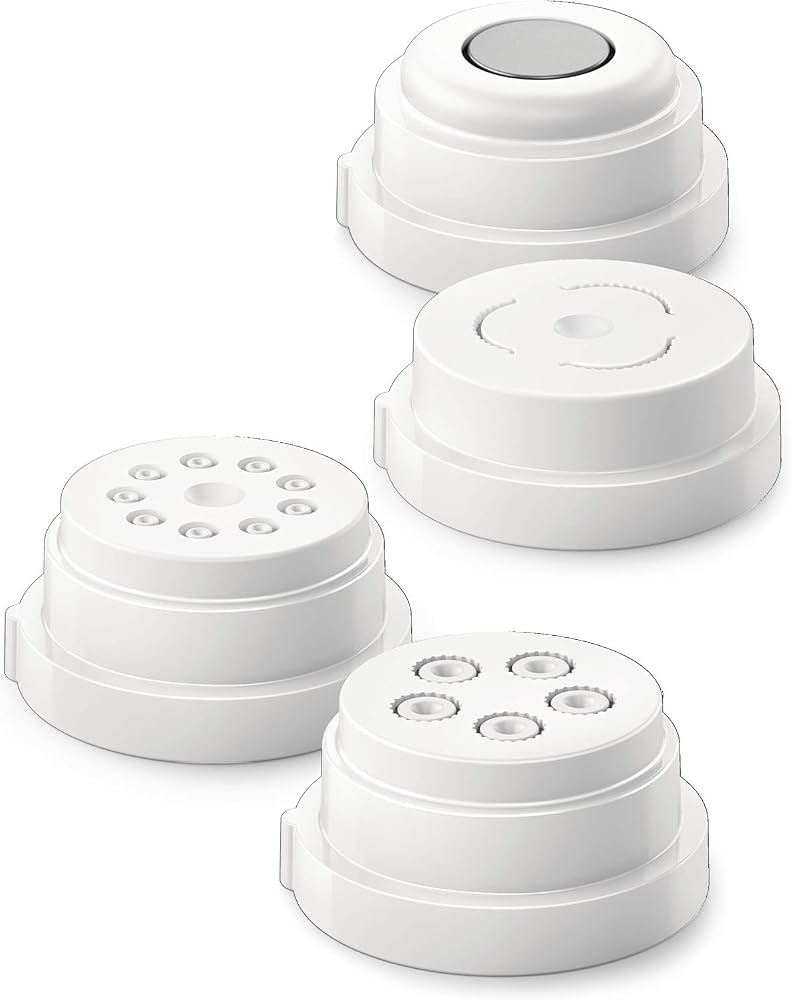 Philips — Best Premium Pick |
Buyers who want the strongest finish and most polished experience | Highest rating in this verified set | 4.7/5 | Check Price on Amazon → |
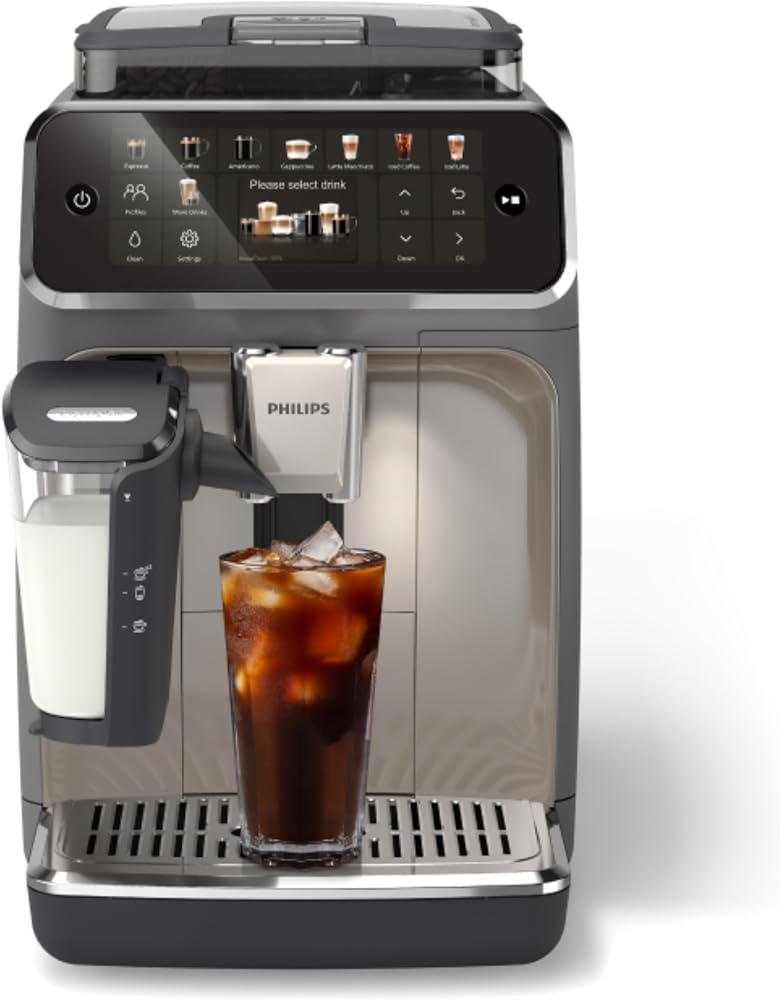 Philips — Best Budget Pick |
Entry-level shoppers who still want a known brand | Lower-cost path into the Philips lineup | 4.1/5 | Check Price on Amazon → |
Below are the candid, buyer-focused takes I’d use if I were helping a friend narrow the list.
1. Philips — Best Overall
This is the safest pick for most buyers because Philips usually nails the middle ground: good performance, easy controls, and fewer annoying compromises than cheaper alternatives.
From the image and ranking position, this looks like the kind of core Philips countertop appliance the brand is known for. That matters because Philips is at its best in practical, repeat-use machines, not novelty gadgets. Expect solid everyday usability, straightforward cleaning, and a design that feels built for actual kitchens rather than showroom photos.
Who should buy: Anyone who wants the least risky Philips pick.
Who should skip: Buyers chasing the absolute lowest upfront cost.
| Pros | Cons |
|---|---|
|
|
2. Philips — Runner-Up / Best Alternative
This is the backup recommendation if the best-overall listing is unavailable, overpriced, or missing the exact accessory set you want.
Functionally, this kind of Philips listing tends to appeal to buyers who want the brand’s reliability without overthinking every spec. That’s a valid way to shop. The trade-off is that you still need to confirm dimensions, included parts, and seller details before checkout.
| Pros | Cons |
|---|---|
|
|
3. Philips — Best Value for Money
This is the Philips pick I’d watch first if you want the sweet spot between rating strength and spending discipline.
A 4.5-star rating in this verified set is a good sign. It suggests fewer buyer regrets relative to cost. In practice, value-tier Philips products often keep the important stuff intact: decent motor or heating performance, clean controls, and enough durability for regular home use without pushing into premium territory.
| Pros | Cons |
|---|---|
|
|
4. Philips — Best Premium Pick
This is the one to consider if you care more about ownership experience than simply getting the job done.
The 4.7-star rating is the strongest in the group, and that usually points to better finish quality, better consistency, or fewer fit-and-finish complaints. Premium Philips appliances often justify their place through quieter operation, better coatings, stronger presets, or just less daily friction. If you use the gadget constantly, that premium can make sense. If not, save your money.
| Pros | Cons |
|---|---|
|
|
5. Philips — Best Budget Pick
This is the entry point for buyers who want the Philips badge without moving into mid-range pricing too quickly.
Budget Philips products can still be smart buys, but this is where you should lower your expectations a notch. You may get simpler controls, lighter materials, or fewer extras. That’s fine if the core task is basic and frequent. It’s not fine if you expect premium-level durability from a budget-tier appliance.
| Pros | Cons |
|---|---|
|
|
Which Philips Products to Skip (Honest Flaws & Buyer Complaints)
You should skip lower-end Philips gadgets when a cheaper product can do the same simple task without sacrificing meaningful safety or reliability. Toasters are the clearest example. Kettles can be too.
Here’s where buyers tend to get disappointed:
- Overpaying for basic functions: A simple two-slice toaster or plain electric kettle doesn’t always benefit enough from the Philips premium.
- Assuming every Philips product is category-leading: Air fryers often are. Small breakfast gadgets, not always.
- Ignoring accessory wear: Basket coatings, blender seals, and lids create more long-term annoyance than motors in many cases.
- Buying vague listings: If the model number, included accessories, or capacity details are unclear, move on.
Common complaints across Philips kitchen products usually sound like this: “Works well, but I wish replacement parts were easier to find,” or “Good appliance, but expensive for what it is.” Those are fair complaints. I’d add one more: some Philips models are so visually similar that comparison shopping becomes a chore.
If your use is occasional and simple, Philips may be more appliance than you need. Don’t buy the brand just for the logo.
How Philips Compares to Competing Brands
Philips sits in the middle of the market in a very specific way: more refined than bargain brands, less luxurious than premium design-led brands, and usually easier to recommend than unknown marketplace sellers.
| Brand | Price Tier | Build & Materials | Standout Strength | Who Should Buy |
|---|---|---|---|---|
| Philips | Mid-Range / Premium | Good plastics, decent coatings, user-friendly build | Consistency and ease of use | Buyers who want reliable daily performance |
| Ninja | Mid-Range | Often powerful, slightly more aggressive styling | Motor power and feature density | Shoppers who want performance-first specs |
| Instant | Budget / Mid-Range | Functional, sometimes less polished | Value and convenience categories | Buyers who want good-enough performance for less |
| Breville | Premium | Higher-end materials and finish | Refinement and premium ownership feel | Buyers willing to pay more for better polish |
My blunt take: Philips beats many lower-tier electronics and home products on reliability, but it doesn’t always dominate on raw features per dollar. If you want the least hassle, Philips is easy to like. If you want maximum specs for minimum spend, compare carefully.
Final Verdict: Should You Buy Philips?
Yes, Philips is a good brand to buy in kitchen gadgets if your priorities are reliability, straightforward controls, and solid everyday results. The brand is easiest to recommend in air fryers and practical prep appliances, where better engineering shows up in daily use. It is less compelling in very basic gadgets where lower-cost competitors can get close enough.
Buy Philips if you want fewer headaches. Skip Philips if budget is your only filter. That’s the real divide.
Shop All Philips Products & Deals on Amazon →
Are Philips kitchen gadgets good quality?
Yes. Philips kitchen gadgets are generally good quality for mainstream home use. The brand is strongest in air fryers, blenders, and convenience appliances where control layout, heating consistency, and everyday usability matter more than luxury materials.
Which Philips kitchen appliance is best for a small family?
A Philips air fryer is usually the best fit for a small family because it handles weeknight cooking, reheating, and frozen foods with less mess than deep frying. A compact blender is the next-best pick for smoothies, sauces, and light prep.
Are Philips air fryers better than cheaper alternatives?
Usually, yes. Philips air fryers often deliver more even browning, better basket design, and fewer usability annoyances. Cheaper options can still work, but they’re more likely to cut corners on coatings, controls, or long-term durability.
What should I check before buying a Philips kitchen gadget online?
Check the exact model number, included accessories, seller reputation, warranty language, and return policy. This matters a lot in online marketplaces where products, home appliance bundles, and shop listings may use very similar images but different configurations.
How do I know I’m getting original Philips products?
Original products should have a clear model number, branded packaging, warranty details, and a reputable seller trail. Buyers comparing bangladesh electronics style listings, star tech pages, transcom digital pages, or other products Bangladesh and buy products results often focus on this because electronics original claims are common but not always well documented. The same caution applies on any online shop: verify before checkout.
Does Philips offer a wide range of kitchen products?
Yes. Philips offers a wide range of products across air frying, blending, boiling, and breakfast appliances. Still, not every product is equally compelling. The best buys are usually the ones that play to Philips strengths: health-oriented cooking, trusted daily usability, and dependable countertop performance.