Hayward T-Cell-15 vs T-Cell-940: What You’re Really Buying
Affiliate disclosure: We may earn a commission if you buy through the Amazon links below, at no extra cost to you.
Your AquaRite says the salt cell is failing, and now two listings appear to answer the same question: t cell 15 vs t cell 940. Both numbers point toward 40,000-gallon Hayward systems. That makes the choice look like a simple price comparison. It isn’t.
Here’s the detail we’d catch before placing an order: the second product supplied for this comparison is an aftermarket T-15-compatible replacement that mentions TCELL940. It is not presented as a genuine Hayward T-CELL-940. We compared the supplied listings and their stated specifications, not installed cells or measured chlorine output. Below, we’ll separate the genuine-model question from the two products you can actually click, then show what to check on your controller and in your pool water first.
| Feature / Category | Hayward T-CELL-15 TurboCell | Aftermarket T-15-Compatible Replacement |
|---|---|---|
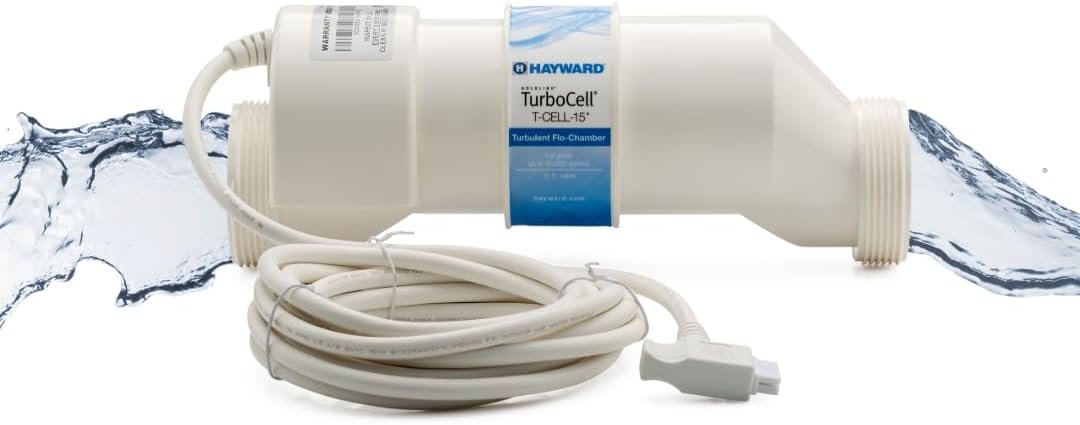
| Product & Image |  Hayward T-CELL-15 TurboCell |
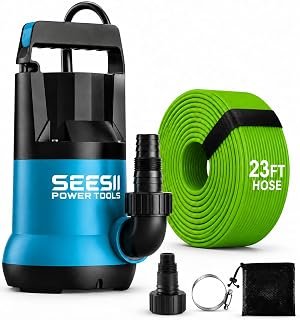
 Aftermarket T-15-Compatible Replacement |
| Best for | Owners who want the listed Hayward replacement | Owners willing to evaluate a third-party replacement |
| Customer rating | 4.4 out of 5 stars in the supplied product data; check the current listing | No usable rating supplied |
| Stated pool capacity | Up to 40,000 gallons | Up to 40,000 gallons, according to its seller |
| Build & design | Hayward TurboCell; verify the part number and seller on the listing | Third-party cell; seller advertises 2-inch unions and a 13.5-foot cable |
| Core performance | T-15-class chlorination; no side-by-side output measurement conducted | T-15-compatible output claimed; not independently measured here |
| Ease of use | Familiar replacement path for a compatible Hayward installation | Seller claims a plug-in connector but warns that fittings may need its included connector |
| Stated warranty | Three years in the supplied listing; confirm current terms and eligibility | One-year limited warranty claimed by the seller |
| Main limitation | A 40,000-gallon rating doesn’t establish a specific lifespan | Not a genuine T-CELL-940 or proof of its extended-life claims |
| Amazon Link | Check Price on Amazon → | Check Price on Amazon → |
The 30-second answer: same capacity, different purchase proposition
Hayward T-CELL-15 and genuine T-CELL-940 both serve pools up to 40,000 gallons and typically use the T-15 controller setting. The 940 has extended-life positioning; the linked alternative is aftermarket, not genuine 940. Verify controller compatibility, warranty, salt readings, and delivered cost before buying either cell.
That’s the distinction that matters. A genuine T-CELL-940 may be worth comparing with a genuine T-CELL-15 on its documented life claims and purchase terms. The two clickable products above answer a different question: Hayward T-CELL-15 or a third-party cell advertised as a compatible replacement? Don’t pay a 940 premium, or expect 940 service life, because “TCELL940” appears in an aftermarket listing’s compatibility text.
Quick verdict / key takeaways: For the two linked products, we’d favor the Hayward T-CELL-15 if the current seller and warranty check out. Consider the aftermarket cell only if its delivered price compensates for the shorter stated warranty and uncertain long-term performance. If you specifically want a genuine T-CELL-940, find a listing that clearly identifies the manufacturer and exact model first.
Will a 940 replace the T-15 already on your pool?
Often, the practical question is whether a 40,000-gallon replacement works with the controller you already own. Similar-looking plumbing isn’t enough. Match the cell selection in the control unit, the connector, and the requirements in the manual for your exact system. We wouldn’t promise universal compatibility across every AquaRite revision or automation setup without that check.
Check the controller before ordering
Start at the equipment pad. Photograph the label on the existing cell and the model label on your AquaRite, AquaRite Pro, ProLogic, or other Hayward controller. Then use the controller’s diagnostics or configuration menu to find its selected cell type and, where available, its software revision. A replacement intended for a T-15 setup should be checked against that T-15 setting, not just against the pool’s gallon count.
The aftermarket seller lists numerous compatible systems, including AquaRite and OmniLogic. That’s a seller claim, not a substitute for your controller manual. Our salt-cell controller compatibility guide covers the labels and settings worth photographing before you shop; you can also obtain the manual for your exact unit through Hayward.
- Before installation: Turn off power, compare the old and new cell labels, cable connectors, union threads, and installation clearance.
- After installation: Confirm the configured cell type, inspect both unions for leaks, and compare the displayed salt reading with an independent water test.
- If a fitting doesn’t match: Stop rather than forcing plastic threads. The aftermarket listing itself says its included connector may be needed.
Category winner, compatibility confidence: Hayward T-CELL-15 for an existing, verified T-15 installation. An actual Hayward T-CELL-940 needs its own model-and-controller check; the linked third-party cell doesn’t inherit OEM compatibility simply by naming it.
Product breakdown: Hayward T-CELL-15 TurboCell
The appeal here is straightforward. You’re buying a listing identified as a Hayward TurboCell, rated for pools up to 40,000 gallons, with a three-year warranty stated in the supplied product information. For someone replacing a labeled T-CELL-15, that’s a cleaner starting point than sorting through a long list of “replaces” part numbers.
Still, we’d check the seller, the exact part number delivered, and the warranty document before calling the purchase settled. The listing’s maintenance-savings and chlorine-output comparisons aren’t measurements we reproduced. A cell can also be correctly sized yet struggle to keep up if pool demand is high or the pump runs too briefly.
| ✅ Pros | ⚠️ Cons |
|---|---|
| Listed as a Hayward T-CELL-15 for up to 40,000-gallon pools | Confirm seller authenticity and warranty eligibility before checkout |
| Stated three-year warranty | Warranty length is not a promise of three years of service |
| Less ambiguity for owners replacing a matching T-15 cell | May cost more than a third-party alternative |
Check Hayward T-CELL-15 Price on Amazon →
Product breakdown: the linked aftermarket replacement
This is where a quick skim could get expensive. The listing calls its cell a T-15 replacement and includes TCELL940 among the part numbers to check. It does not establish that the product is a genuine Hayward T-CELL-940. We also can’t verify an extended-life advantage for it from the supplied information.
Its concrete selling points are a claimed 13.5-foot cable, 2-inch unions, broad system compatibility, and a one-year limited warranty. The fitting note is the complaint we’d pay attention to: the seller says you may need to use its included connector if your existing threads don’t match. That’s more installation uncertainty than a “direct replacement” headline suggests. No reliable customer-rating value or firsthand longevity data was supplied for this cell.
| ✅ Pros | ⚠️ Cons |
|---|---|
| Advertised for T-15-class, 40,000-gallon applications | Not identified as a genuine Hayward T-CELL-940 |
| Seller specifies cable length and fitting size | Connector or union fit may require extra care |
| Potentially useful if its verified delivered cost is substantially lower | One-year limited warranty claimed; no measured life advantage established |
Check Aftermarket T-15 Replacement Price on Amazon →
Core performance: don’t confuse pool rating with cell life
A 40,000-gallon rating tells you the stated maximum pool size. It doesn’t tell you how many seasons a cell will last, how much chlorine it produced in our testing, or whether two cells will hold the same salt reading as they age. We haven’t run either linked product through a pool-season test, so declaring an output winner would be guesswork.
For an actual Hayward T-CELL-15 vs T-CELL-940 purchase, ask for the current manufacturer documentation supporting the 940’s extended-life positioning. Then compare the precise models, not a third-party “940 compatible” listing. If your pool operates year-round or you routinely run the cell at a high output percentage, longer documented service life could matter more than it would for a short summer season.
Category winner, demonstrated chlorine performance: Neither. The supplied data gives both a 40,000-gallon claim but no comparable measured output or lifespan result.
Warranty and day-to-day ownership: read the terms, not just the badge
On the supplied listings, the Hayward cell advertises three years of warranty coverage; the aftermarket seller advertises one year. Those are stated terms, not verified coverage for every seller, installation type, or owner. Before buying, check who handles a claim, what proof of purchase is required, and whether labor or shipping is excluded.
In day-to-day use, a replacement cell doesn’t eliminate water testing. Keep an eye on the controller’s salt reading, inspect for scale as your manual directs, and independently test the water when a reading looks odd. For a practical starting point, see our pool salt testing guide.
Category winner, stated warranty: Hayward T-CELL-15, subject to confirming the current written terms and that your seller qualifies. The longer stated warranty alone doesn’t prove a longer lifespan.
When does a genuine 940’s premium pay back?
Use the total installed cell cost ÷ years of service as a rough comparison. “Installed” means the delivered cell price plus any fittings or labor you actually need. Here’s an illustrative example, not current pricing or a lifespan prediction: a T-CELL-15 costing $850 installed and lasting five years works out to $170 per year. A genuine T-CELL-940 costing $1,050 installed would cost $175 per year if it lasted six years, or $150 per year if it lasted seven.
The extra year changes the answer. So does the purchase premium. A warranty is protection under its written terms, not evidence that a cell will reach the example’s sixth or seventh year. Seasonal owners may prefer the lower verified upfront cost; owners who chlorinate heavily for much of the year have more reason to investigate a documented life advantage.
For the two linked products, don’t apply that 940 calculation to the aftermarket option. Compare its actual delivered cost and one-year stated warranty against the Hayward T-CELL-15 instead.
Category winner, value: Conditional. Choose the lowest verified cost for the terms you can accept. A genuine 940 wins only if its documented advantage and expected use justify its real premium; the linked aftermarket cell hasn’t established that advantage.
Before blaming either cell, check these three things
A failing-looking cell isn’t always a failed cell. This quick sequence can keep you from buying a replacement for a water-chemistry or controller problem.
- Compare salt readings. Test a pool-water sample independently and compare it with the controller display. The aftermarket listing recommends 2,700–3,400 ppm, but use the target in the manual for your specific Hayward system rather than adjusting salt from a seller’s listing alone. Our salt-testing walkthrough explains how to cross-check a questionable reading.
- Inspect the cell. With power off and the equipment handled as your manual directs, look for visible scale or damage. Follow the manufacturer’s cleaning instructions; unnecessary or aggressive acid cleaning can shorten cell life.
- Record errors and age. Write down diagnostic messages, displayed values, and the cell’s approximate installation date before resetting anything. If the readings still disagree after appropriate checks, work through a salt-cell troubleshooting checklist or have a qualified pool technician assess the controller and cell together.
Category winner, avoiding an unnecessary purchase: Diagnostics. Neither product fixes an incorrect cell setting, a bad salt estimate, or a plumbing leak.
Who should skip each option?
- Skip the linked aftermarket cell if you specifically want a genuine T-CELL-940, need manufacturer-backed extended-life documentation, or can’t confirm its fittings and controller compatibility.
- Pause on the Hayward T-CELL-15 if you haven’t independently checked salt, inspected the old cell, or confirmed what your controller is configured to use.
- Pause on both if your controller model or software revision is uncertain. Get the correct manual and identify the existing cell first.
Final Decision: When to Buy Which
If you’re replacing a confirmed T-15 and want the more straightforward choice between the two products linked here, we’d start with the Hayward T-CELL-15, provided the seller and current warranty terms check out. Buy the aftermarket replacement only if you’ve verified fit and support and its delivered cost makes the shorter stated warranty an acceptable trade-off.
If your real choice is genuine T-CELL-15 versus genuine T-CELL-940, don’t use the second button below as your 940 option. Find an explicitly identified genuine 940, confirm it works with your controller, and compare its documented terms and delivered price. And if your salt reading is suspect, diagnose first. A new cell is an expensive way to discover the old one wasn’t the problem.
Frequently asked questions
These are the distinctions we’d want settled before ordering a cell for an existing Hayward system.
Is T-CELL-15 the same as T-CELL-940?
No. Both are associated with 40,000-gallon Hayward applications, but a genuine T-CELL-940 is positioned as an extended-life option. Similar capacity does not make the model numbers, service-life claims, or purchase terms identical.
Can a Hayward T-CELL-940 replace a T-CELL-15?
It may be an option for a compatible T-15-configured system, but verify your controller model, software requirements, cell selection, and installation details against the current documentation for your equipment before ordering.
Does the second product in this comparison count as a Hayward T-CELL-940?
No. Its supplied listing describes an aftermarket T-15 replacement and mentions TCELL940 as a compatibility reference. That doesn’t establish genuine Hayward manufacture or the 940’s extended-life claim.
Why does my AquaRite show low salt after a cell replacement?
First compare the display with an independent pool-water salt test and confirm the configured cell type. If they disagree, consult your controller’s diagnostics and troubleshooting instructions before adding salt. A displayed reading alone isn’t enough reason to change the water.