
How to Remove White Film from Silicone Utensils Fast
White residue on silicone utensils usually is not mold and it is not always damage. Most of the time, you are seeing one of three things: hard-water minerals, dishwasher detergent film, or baked-on oil that regular washing never fully removed.
The fix depends on which one you have. Treat mineral haze like scale, treat greasy film like grease, and treat dishwasher residue like a cycle problem. Get that wrong, and the utensil can come out cloudy, tacky, or still coated.
If you want the fast answer first: soak, degrease, rinse, and dry fully. Then change the habit that caused it so the white film does not keep coming back.
What the white residue actually is
The white film on silicone utensils is usually surface buildup, not a defect in the silicone itself. Silicone is nonporous, but its slightly grippy surface can still hold onto minerals, oils, and detergent residue.
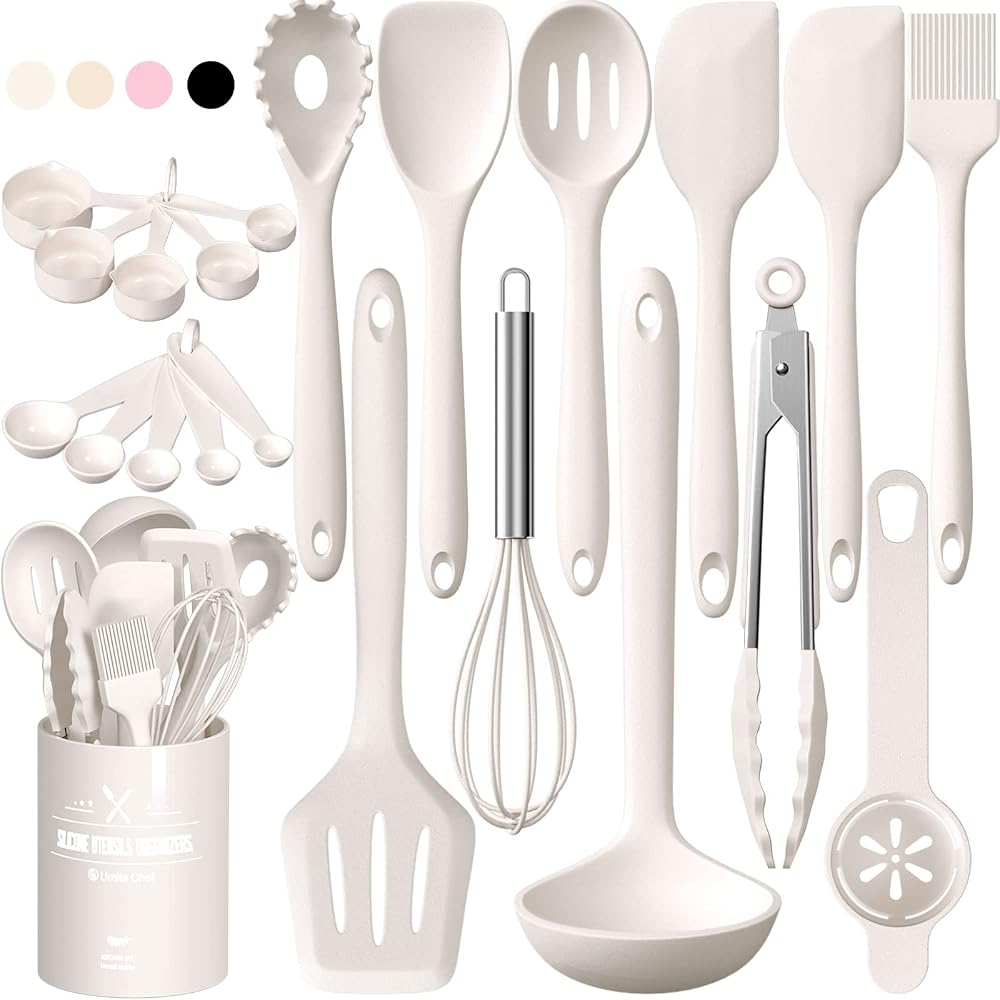
Hard-water minerals vs. detergent film vs. oil buildup
Hard-water minerals leave a chalky, powdery white cast; detergent film looks streaky or cloudy after the dishwasher; and oil buildup feels slick, dull, or slightly sticky. In plain terms: calcium and magnesium make mineral scale, dishwasher pods can leave residue if overdosed, and cooked fats can polymerize into a stubborn haze.
Here is the quick look test I use in real kitchens:
- Chalky white, wipes off dusty: mineral buildup.
- Cloudy streaks after dishwasher: detergent residue or rinse-aid issue.
- Greasy film or tacky feel: oil buildup, often from tomato sauce, butter, or roasting drippings.
That distinction matters. Vinegar helps minerals. Dish soap helps grease. Baking soda helps with surface haze and odor, but it is not a magic eraser for scale.
For readers who are also dealing with other kitchen cleanup headaches, the same logic applies across tools. If you are upgrading gear for family cooking, our guide to the best cooking utensils for kids is a useful next stop because easier-to-clean tools usually stay cleaner longer. If you need a similar fit-and-grip solution for accessibility, see the best cooking utensils for disabled roundup.
Fastest fix for most silicone utensils
The fastest reliable fix is a 15 to 30 minute vinegar soak, followed by a real degrease with dish soap and hot water. That sequence handles most mineral film and a surprising amount of greasy residue without beating up the silicone.

Vinegar soak, then a real degrease
Use a 1:1 mix of white vinegar and hot water for normal buildup. For stubborn mineral film, use straight white vinegar and soak for 15 to 30 minutes. Do not scrub aggressively first; let the acid do the lifting.
After the soak, wash the utensil with dish soap and warm water. This second step matters because vinegar does not remove all oil. If you stop after the acid rinse, the surface can still feel dull or slippery.
Featured Snippet Answer: To remove white residue from silicone utensils, soak them in hot water with white vinegar for 15–30 minutes, then scrub with baking soda or dish soap, rinse well, and air-dry. If the film remains, it is likely hard-water minerals or baked-on oil, not mold.
| Residue Type | Best Cleaner | Soak Time | What It Looks Like | Best Next Step |
|---|---|---|---|---|
| Hard-water minerals | White vinegar | 15–30 min | Chalky, powdery white film | Rinse and air-dry fully |
| Detergent film | Warm water + dish soap | 5–10 min wash | Cloudy streaks after dishwasher | Reduce detergent, add rinse aid |
| Oil buildup | Dish soap or simmer wash | 5–10 min | Greasy, dull, slightly tacky | Repeat degrease, then dry fully |
When baking soda helps—and when it doesn’t
Baking soda helps with surface haze, odor, and light grime, but it does not dissolve mineral scale nearly as well as vinegar. Think of it as a gentle scrub, not a chemical reset.

Use it as a mild abrasive, not a cure-all
Mix baking soda with a little water until it forms a paste, then rub it over the residue with your fingers or a soft sponge. Leave it on for 5 minutes, rinse, and check the surface. If the residue is mineral-based, you will usually still need vinegar.
Do not use gritty pads, steel wool, or harsh scouring powders. They can rough up the silicone surface and make future residue cling more easily. That is the kind of mistake that causes a perfectly good spatula to start feeling weirdly grabby.
If the residue is really grease-related, a better route is a dedicated degrease step. That is where a practical cleaning guide earns its keep. If you are comparing tools and cleaners, this also pairs well with our advice on can wooden spoons go in the dishwasher, because mixed-material kitchens need different cleaning rules for each utensil type.
Dishwasher residue: the hidden culprit
Dishwasher residue is often caused by too much detergent, too little rinse aid, or a cycle that does not rinse long enough. In homes with hard water, the problem shows up faster and looks like a white haze or streaking.

Detergent overload, rinse aid, and low-quality cycles
Modern pods are strong, and stronger is not always better. If you use a full pod in a small load, or if your machine is already running with hard water, leftover detergent can cling to silicone and dry into a film. Low water temperature makes it worse.
Try these checks in order:
- Cut detergent use by 25% to 50% for smaller loads.
- Add rinse aid if your dishwasher has a dispenser.
- Run the hot water at the sink first so the machine starts with hotter fill water.
- Separate utensils so silicone does not nest against plastic or metal.
- Check water hardness if the film appears on multiple items, not just silicone.
If the residue shows up every wash, the machine is telling you something. Most likely, it is not the spatula. It is the cycle.
Deep-clean method for stubborn buildup
For stubborn oil film, a short simmer in soapy water can loosen the residue better than repeated hand scrubbing. It is a reset, not a daily routine.
Boil, degrease, and reset the surface
Fill a pot with water, add a small squirt of dish soap, and bring it to a gentle simmer. Let the silicone utensil sit in the hot water for 5 to 10 minutes, then remove it with tongs and wash normally. This is especially useful for spatulas and spoons that have touched butter, bacon fat, or roasted meat juices.
Check the manufacturer’s heat limit first. Many silicone tools tolerate high heat, but not all handles, inserts, or decorative parts do. If the utensil includes wood, metal seams, or a glued core, skip the boil and use a soak instead.
A practical reset routine looks like this:
- Wash with dish soap and hot water.
- Soak in vinegar if minerals remain.
- Rinse thoroughly.
- Air-dry on a rack with space around the utensil.
That last step matters more than people think. A utensil that dries while leaning in a damp pile can pick up a fresh film from the water itself.
What not to do
Bleach-heavy shortcuts, abrasive pads, and “whitening” cleaners can create more problems than they solve. They may hide the residue for a day, but they do not fix the cause.
Avoid bleach-heavy shortcuts and abrasive pads
Bleach can discolor some silicone accessories and leave an odor that hangs around in the kitchen. Steel wool and rough scrubbers can dull the surface and make future buildup harder to remove. If you are tempted to attack the film with the harshest cleaner in the cabinet, stop there. That route is usually overkill.
Also skip scented cleaners that leave a waxy afterfeel. If the utensil smells “clean” but still feels coated, the residue is still there.
How to prevent white residue from coming back
Prevention is mostly about drying, spacing, and not letting oils sit on the surface for hours. Silicone is easy to clean, but it is much easier to keep clean if you do not give residue time to set.
Drying, storage, and dishwasher habits that matter
Rinse silicone utensils soon after use, especially after oily foods. Then wash them before the residue dries into a film. Full air-drying matters because trapped moisture plus minerals equals recurring haze.
Use this simple prevention checklist:
- Rinse after butter, oil, tomato sauce, or meat drippings.
- Wash sooner rather than later.
- Do not overcrowd the dishwasher.
- Use rinse aid if your water is hard.
- Store utensils fully dry and uncovered.
If you are shopping for replacements, choose tools with smooth seams and fewer textured grip areas. Textured silicone can be more comfortable, but it also gives residue more places to hide.
When to replace the utensil
Replace the utensil if the silicone has started to break down structurally or if the residue returns immediately after a proper deep clean. At that point, the problem is no longer just surface buildup.
Signs the silicone has degraded
Watch for sticky texture, cracking, persistent odor, warping, or residue that comes back after every wash. Those are signs the material is aging out, especially on older spatulas that have seen years of high heat and dishwasher cycles.
In my experience, the giveaway is a utensil that feels clean for one meal and greasy again the next day. That usually means the surface is holding onto oils more than it should. Time to retire it.
Quick troubleshooting guide
If you want the shortest path to the right fix, use this decision table.
| What you see | Likely cause | Best fix | What to avoid |
|---|---|---|---|
| Chalky white dust | Mineral buildup | White vinegar soak | Hard scrubbing first |
| Cloudy streaks after dishwasher | Detergent film | Less detergent, add rinse aid | Running more pods |
| Greasy or tacky feel | Baked-on oil | Dish soap, hot water, simmer clean | Only using vinegar |
| Residue keeps returning | Drying or storage issue | Air-dry fully, separate in dishwasher | Stacking wet utensils |
People Also Ask
Why do silicone utensils get white residue?
Silicone utensils usually get white residue from hard-water minerals, dishwasher detergent film, or baked-on oil. The surface is nonporous, but it can still hold buildup on texture and seams.
Does vinegar damage silicone utensils?
White vinegar is generally safe for silicone when used for a short soak of 15 to 30 minutes. Do not leave the utensil soaking for hours, and rinse it well afterward.
Can I put silicone utensils in the dishwasher?
Yes, most silicone utensils are dishwasher-safe, but they can come out with white film if detergent is too strong, rinse aid is missing, or the load is overcrowded. Check the manufacturer’s instructions first.
Why does baking soda not remove the white film?
Baking soda helps with light surface haze and odor, but it does not dissolve mineral scale well. If the residue is from hard water, vinegar usually works better.
When should I throw out silicone utensils?
Replace them if they are cracked, sticky, warped, strongly odor-retentive, or still show residue after a proper deep clean. That usually means the material has degraded.